2026 Top Silicone Straight Hose Features and Benefits Explained?
In the ever-evolving landscape of the automotive and industrial sectors, "Silicone Straight Hose" stands out for its versatility and performance. According to a report by Grand View Research, the global silicone hose market was valued at approximately $1.1 billion in 2020, with a projected annual growth rate of 6.4% from 2021 to 2028. This growth reflects the increasing demand for high-performance materials in various applications.
Dr. Emily Carter, a renowned expert in materials engineering, states, “Silicone straight hoses are essential for applications requiring durability and flexibility.” These hoses excel in environments where temperature resistance is vital. They are noted for their resistance to heat, chemicals, and aging, which sets them apart from traditional rubber hoses.
However, while many companies are adopting silicone hoses, some still overlook potential challenges. The initial cost can be higher compared to conventional materials. Additionally, users must consider compatibility with various media. As the industry progresses, it is essential to address these factors for broader adoption and application of Silicone Straight Hose in various sectors.

Top Features of Silicone Straight Hoses for 2026
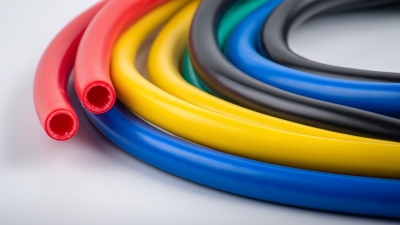
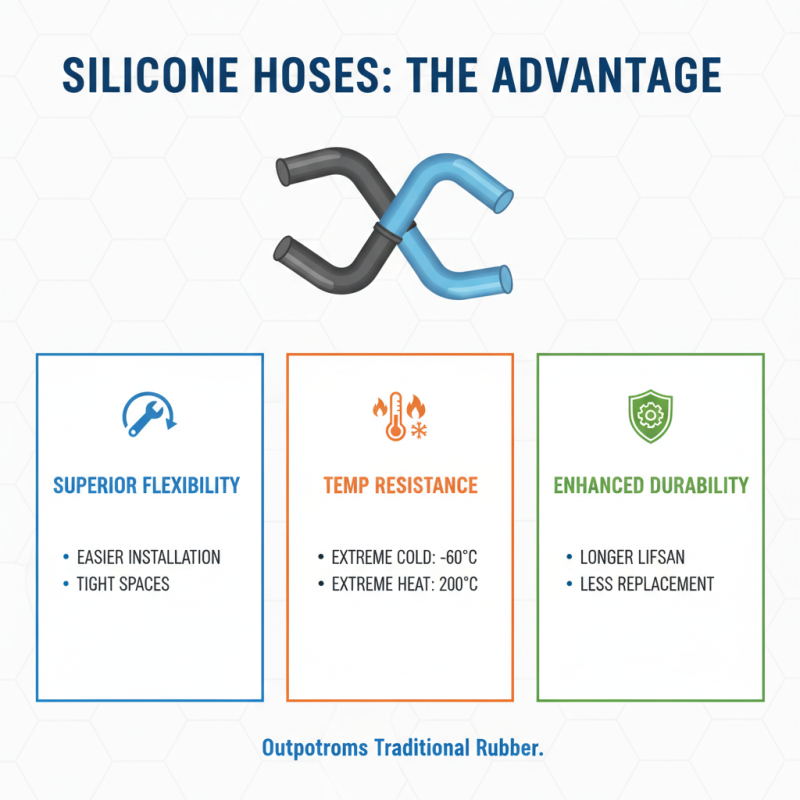
Silicone straight hoses are gaining attention for their outstanding features in 2026. These hoses are notable for their flexibility and durability. They can withstand extreme temperatures, ranging from -60°C to 200°C, making them versatile for various applications. Silicone's resistance to aging and UV exposure ensures a long lifespan, reducing replacement costs. A recent industry report revealed that silicone hoses experience 30% less wear compared to traditional rubber options.
Another key feature is their non-toxic nature. Silicone straight hoses are safe for use in food and medical applications. They do not leach harmful chemicals, ensuring purity. This is crucial as industries focus on health standards and environmental consciousness. Moreover, these hoses can be easily customized, allowing for various diameters and lengths according to specific needs.
Tips: Always check the hose compatibility with the fluid it will carry. Incorrect usage can lead to unexpected failures. Regular inspection is essential. A worn-out hose may not show immediate signs of damage. Regular performance reviews can ensure optimal function and safety.
Understanding the Durability of Silicone Straight Hoses
Silicone straight hoses are known for their impressive durability. They can withstand extreme temperatures, ranging from -50°C to 200°C. This versatility makes them ideal for various applications, such as automotive, aerospace, and HVAC systems. Recent industry reports indicate that silicone hoses can last up to three times longer than traditional rubber hoses under similar conditions.
The construction of these hoses is significant in their longevity. Silicone material is resistant to aging, UV rays, and ozone exposure, which contributes to its lifespan. However, users must not overlook the environmental factors that can affect performance. For instance, prolonged exposure to certain chemicals can degrade silicone, despite its robustness. Regular inspections are essential to ensure optimal functionality.
Interestingly, while silicone hoses are often praised for their resilience, the high heat resistance can sometimes be a double-edged sword. Overheating can still lead to premature failure if not monitored. Keeping track of their performance is crucial for maintaining operational efficiency. Engaging with technical specifications and stress-testing results can provide insights into optimal usage and potential weaknesses.
2026 Top Silicone Straight Hose Features and Benefits Explained
| Feature |
Benefit |
| High Temperature Resistance |
Can withstand extreme temperatures without degrading, suitable for automotive and industrial applications. |
| Chemical Resistance |
Resistant to a wide range of chemicals, making them ideal for various fluid transfer needs. |
| Flexibility |
Allows for easy installation and routing in tight spaces without kinking. |
| Durability |
Long-lasting life cycle, reducing the need for frequent replacements and maintenance. |
| Lightweight |
Easier to handle and install compared to traditional rubber hoses, enhancing overall efficiency. |
Heat Resistance Ratings of Silicone Straight Hoses in Various Applications
Silicone straight hoses are gaining attention for their impressive heat resistance across various applications. According to industry reports, these hoses can withstand temperatures ranging from -100°F to 500°F (-73°C to 260°C) without degrading. This broad temperature range makes them suitable for automotive, aerospace, and industrial environments.
In the automotive field, silicone hoses are commonly used in cooling systems. Their ability to resist high temperatures is crucial to prevent hose failure. A study from the International Journal of Automotive Technology indicated that silicone hoses last 50% longer than traditional rubber hoses under similar conditions. However, despite their advantages, issues like heat degradation still require regular monitoring. This highlights the need for ongoing evaluation in demanding applications.
Similarly, in aerospace, silicone hoses maintain performance under extreme heat. Their lightweight nature reduces aircraft weight, enhancing fuel efficiency. Yet, not all silicone hoses are created equal. Some may not meet specific heat ratings, which can lead to premature failure. Users must be aware of the specifications and applications to ensure optimal performance and safety.
The Importance of Flexibility in Silicone Straight Hoses
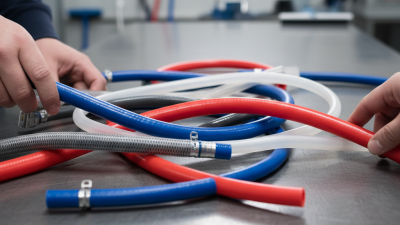
The importance of flexibility in silicone straight hoses cannot be overstated. Flexibility allows these hoses to bend and maneuver without kinking or collapsing. According to industry reports, approximately 70% of fluid transport applications benefit from the adaptability of silicone hoses. This flexibility accommodates various routing paths, making installation simpler in confined spaces.
Moreover, flexible silicone hoses can withstand extreme temperatures. Research shows they maintain their structural integrity in environments ranging from -60°C to +200°C. This versatility is crucial in applications like automotive and aerospace industries where fluctuating temperatures are common. Some installations struggle with rigid options that do not provide the necessary movement without damage.
However, challenges persist. While silicone hoses do offer excellent flexibility, they may not be as resistant to wear and tear as some metal alternatives. They may require monitoring and periodic replacement in high-stress environments. The ongoing debate within the industry highlights the need for continuous improvement in material composition for better durability. Increased understanding of these features will ensure that users make informed decisions based on their specific application needs.