2026 Top Cac Silicone Hose Trends for Global Buyers?
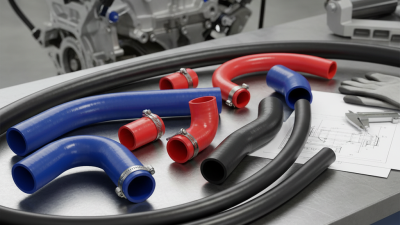
As the demand for high-performance materials continues to rise, the Cac Silicone Hose market is experiencing significant growth. According to a recent industry report, the global market for silicone hoses is projected to reach $1.5 billion by 2026, reflecting a compound annual growth rate of 6.3% from 2021 to 2026. These hoses are favored for their durability, resistance to extreme temperatures, and flexibility, making them essential in various sectors including automotive, aerospace, and manufacturing.
The increasing focus on achieving efficiency and sustainability in industrial applications further bolsters the relevance of Cac Silicone Hose. Their ability to withstand harsh environments without degradation positions them as a reliable choice for manufacturers. However, there are emerging challenges. Production costs may rise due to sourcing quality silicone materials, and companies need to adapt to changing regulations in different markets. This evolving landscape requires buyers to remain informed about industry trends and innovations.
In summary, understanding the 2026 Top Cac Silicone Hose Trends is vital for global buyers aiming to maintain a competitive edge. Staying abreast of advancements while considering cost-effective options will define future success in this expanding sector.
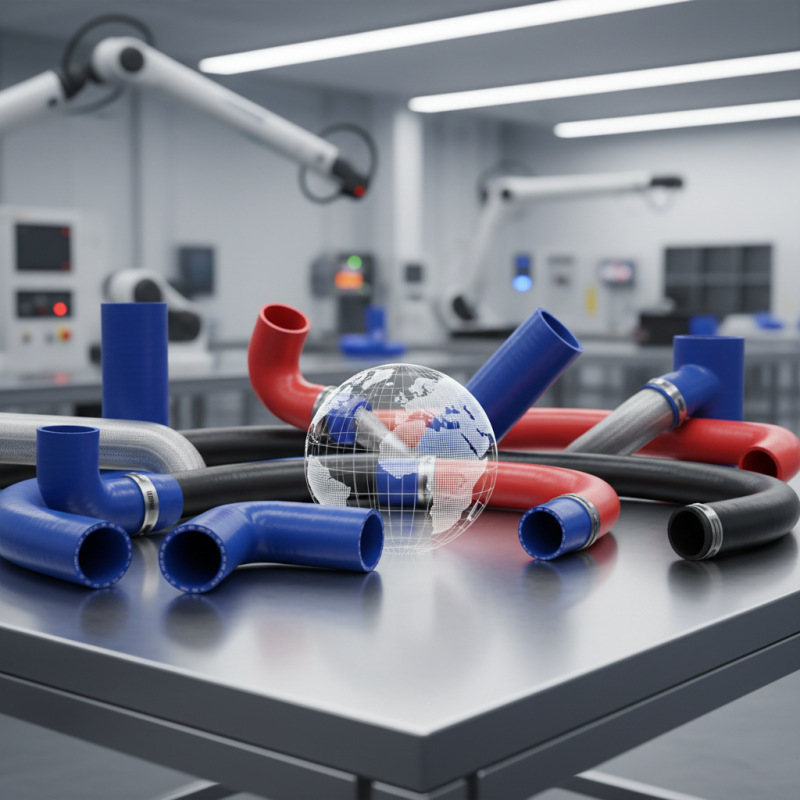
Emerging Materials in Cac Silicone Hoses for 2026
The CAC (Charge Air Cooler) silicone hose market is evolving. In 2026, buyers can expect a shift towards innovative materials. Emerging materials enhance durability and heat resistance, crucial for high-performance applications. These hoses will support advanced engine designs, aiding in efficiency and reliability.
In response to market demands, manufacturers are exploring alternatives to traditional silicone. New composite materials can offer lightweight designs with increased strength. These advancements can potentially lower production costs while maintaining high performance. It’s essential for buyers to stay informed about these developments.
Tips: When considering CAC silicone hoses, prioritize materials that offer improved thermal stability. Test products for flexibility and resistance. Evaluate the long-term benefits of investing in emerging materials. Research suppliers thoroughly to ensure product credibility.
2026 Top Cac Silicone Hose Trends for Global Buyers
| Trend |
Emerging Material |
Application Area |
Market Forecast (2026) |
| Increased Durability |
High-Temperature Silicone |
Automotive |
20% Growth |
| Eco-Friendly Options |
Biodegradable Silicones |
Industrial |
15% Growth |
| Enhanced Flexibility |
Medical-Grade Silicone |
Medical Devices |
25% Growth |
| Temperature Resistance |
Flame-Retardant Silicone |
Aerospace |
18% Growth |
| Lightweight Materials |
Lightweight Silicone Blends |
Consumer Electronics |
22% Growth |
Global Market Demand for Cac Silicone Hoses: Trends and Predictions
The global market for CAC silicone hoses is witnessing significant changes. An industry report indicates that the demand for these products is projected to grow by 8% annually over the next five years. This increase can be attributed to their applications in automotive and aerospace industries. With advancements in manufacturing processes, these hoses now offer enhanced durability and flexibility. Such qualities are crucial for maintaining performance under extreme conditions.
It's essential to consider current trends affecting this market. Increased regulations for emissions in many regions are pushing manufacturers to adopt silicone hoses. These hoses help achieve better fuel efficiency and lower emissions. Additionally, innovations in formulations are creating products that withstand higher temperatures compared to traditional materials. This shift is evident, as more companies are investing in R&D to better meet these demands.
Tips: Ensure you stay updated on market shifts. Regularly review reports for valuable insights. Networking with industry experts can provide practical advice for navigating challenges. Exploring sustainable materials can also offer a competitive edge. Focus on quality and compliance to meet evolving regulations and customer expectations.
2026 Top CAC Silicone Hose Trends for Global Buyers
Innovative Applications of Cac Silicone Hoses in Various Industries
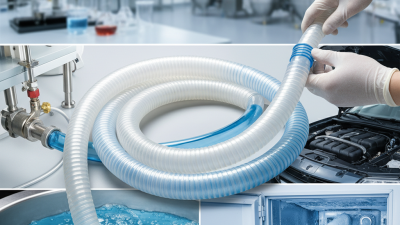
Cac silicone hoses are gaining attention for their versatility across various sectors. These hoses are flexible, durable, and resistant to extreme temperatures. Their use in automotive and industrial applications is particularly notable. For instance, in automotive engineering, they facilitate better airflow in engines. This enhancement can optimize performance and fuel efficiency.
In aerospace, the lightweight nature of these hoses plays a crucial role. They can withstand high pressures and temperatures, making them ideal for aircraft systems. In the food and beverage industry, their non-toxic properties ensure safe transport of liquids. The valid certifications ensure they meet health standards, but challenges remain in maintenance.
Despite their advantages, industry experts highlight areas for improvement. For example, while silicone is generally durable, it may face wear over time. Regular inspections are essential to ensure reliability. Testing conditions can vary significantly, so understanding the limitations of materials is key.
Sustainability and Environmental Impact of Cac Silicone Hoses in 2026
The sustainability of Cac silicone hoses is a pressing topic for 2026. As industries strive for greener alternatives, the environmental impact of materials is critical. Cac silicone, known for its durability, is often touted as a more eco-friendly option. However, the lifecycle of these hoses raises questions. How are they manufactured? What happens at the end of their lifespan? These are important considerations.
Many manufacturers are adopting eco-conscious practices. Using renewable energy during production can limit carbon emissions. Additionally, the potential for recycling silicone hoses is growing. Yet, there remain challenges in the recycling process. Not all facilities accept silicone. This gap in resources may hinder the development of a truly sustainable system.
Furthermore, it is essential to examine the sourcing of materials. Are manufacturers prioritizing ethical suppliers? Addressing this question is crucial in evaluating the overall environmental footprint. Consumers increasingly demand transparency. As buyers, we must remain aware and informed about these trends. Ultimately, the push for sustainability in Cac silicone hoses is complex but necessary for our future.
Key Manufacturers and Market Leaders in the Cac Silicone Hose Sector
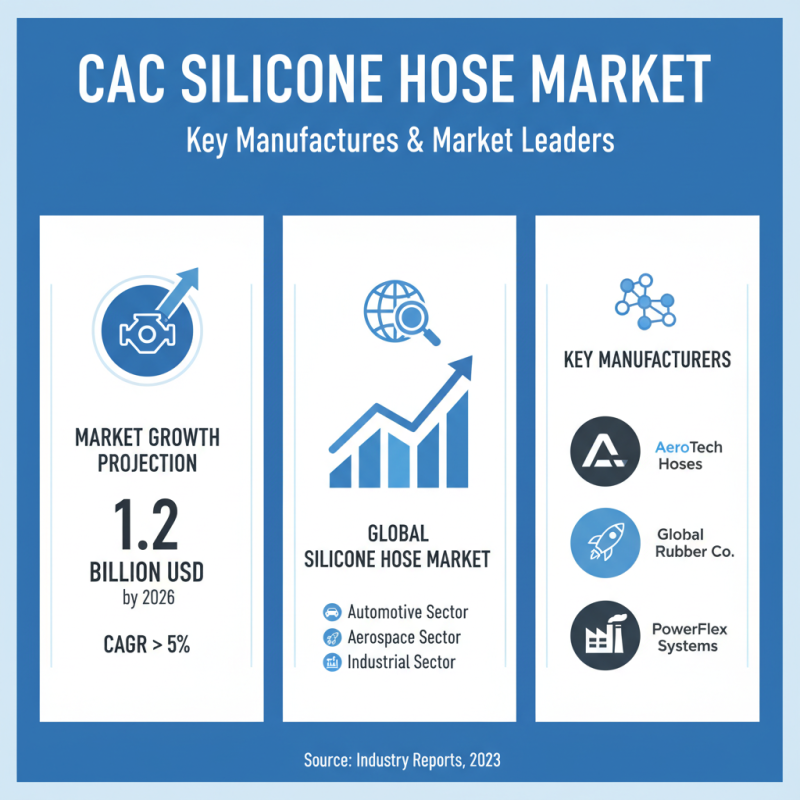
The CAC silicone hose market is poised for significant growth, driven by key manufacturers and market leaders who are shaping the industry. Recent reports indicate that the global silicone hose market is projected to reach approximately 1.2 billion USD by 2026, expanding at a compound annual growth rate (CAGR) of over 5%. This growth reflects the increasing demand across automotive, aerospace, and industrial sectors.
Several prominent players have established strong market positions. Their focus on innovation is essential. Advanced manufacturing techniques improve product performance and durability. Furthermore, a robust supply chain enables these companies to respond effectively to market changes. Nonetheless, challenges remain; fluctuating raw material costs and environmental regulations can complicate operations.
In terms of technology, the shift towards eco-friendly practices is evident. Many manufacturers are investing in sustainable materials. This trend aligns with the growing consumer demand for green products. However, adapting to these changes requires time and resources. Companies must balance innovation with practicality, ensuring they meet current market needs without compromising on quality.