In today's competitive automotive industry, the demand for high-performance components is ever-growing. Leading expert Dr. Emily Carter, a specialist in materials engineering, emphasizes, "Choosing the right materials significantly impacts engine efficiency." This is particularly true for the Silicone Intake Hose, a crucial component in modern vehicles.
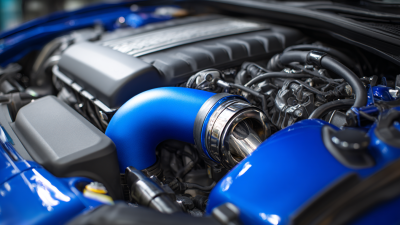
Silicone Intake Hoses offer several advantages over traditional rubber hoses. They are more durable and can withstand extreme temperatures without deforming. This feature helps maintain consistent airflow, optimizing engine performance. Moreover, silicone hoses are resistant to various chemicals, enhancing longevity and reliability.
Despite these benefits, some buyers may overlook potential downsides. For instance, silicone hoses can be pricier than their rubber counterparts. This cost might deter budget-conscious consumers. However, investing in a Silicone Intake Hose can lead to improved overall vehicle efficiency, ultimately saving money in fuel costs. As the industry evolves, understanding these trade-offs becomes essential for buyers looking to make informed decisions.
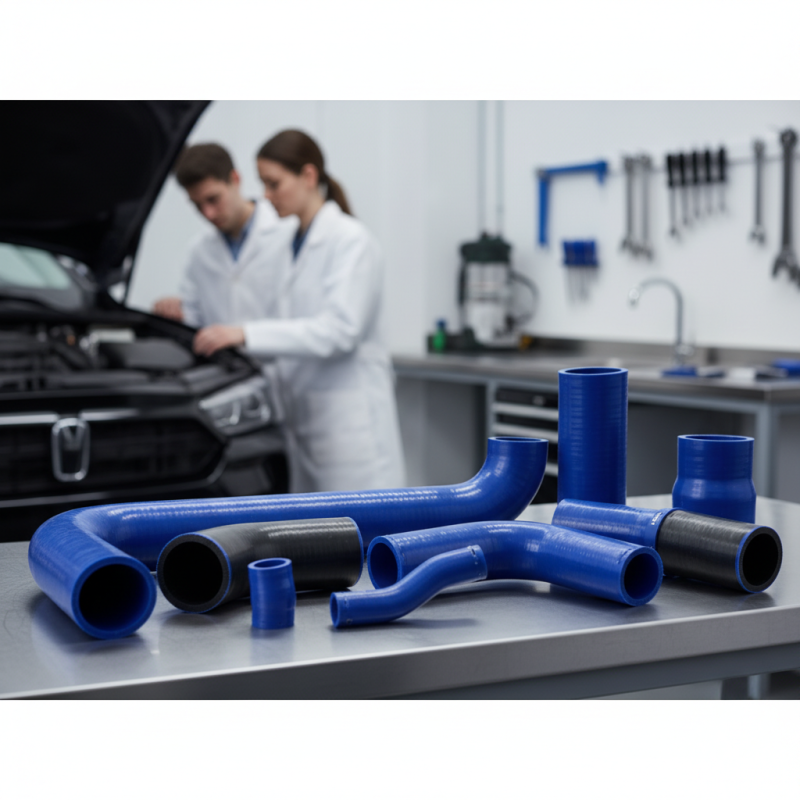
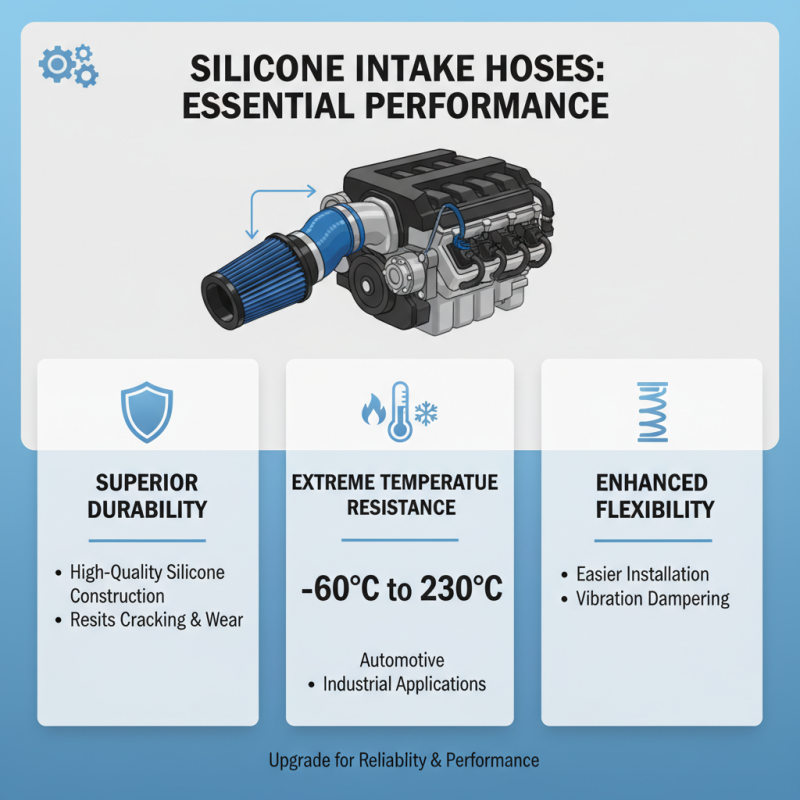
Silicone intake hoses are essential components in various industries, particularly in automotive and industrial applications. These hoses are made from high-quality silicone, which offers superior durability and flexibility compared to traditional rubber. According to industry reports, silicone hoses can withstand extreme temperatures, ranging from -60°C to 230°C. This makes them suitable for environments where other materials might fail.
The importance of silicone intake hoses lies in their ability to enhance performance and efficiency. They reduce airflow resistance, which leads to better engine performance and fuel efficiency. A recent study shows that vehicles equipped with silicone hoses can experience up to a 10% increase in horsepower. However, improper installation can negate these benefits. Buyers should always ensure proper fitting to avoid leaks.
Tips: When choosing silicone hoses, consider factors like temperature resistance and pressure ratings. Regular inspections are essential to ensure optimal performance. Always verify compatibility with your particular application. Be mindful that not all silicone hoses are created equal; cheap imitations may not provide the same reliability.
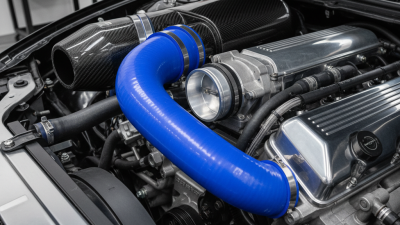
Silicone materials stand out in the market for their durability and resistance. This makes silicone intake hoses a preferred choice in various industries. According to research from the Silicone Manufacturers Association, silicone hoses can last five times longer than rubber alternatives. This longevity means less frequent replacements, ultimately reducing costs for manufacturers and end-users.
One notable benefit of silicone is its resistance to extreme temperatures. Silicone can maintain its performance in temperatures ranging from -60°C to 250°C. This heat tolerance is crucial in automotive and aerospace applications, where hose failure can lead to significant safety risks. Furthermore, silicone exhibits remarkable resistance to UV light and ozone, ensuring that it does not degrade quickly when exposed to outdoor environments.
Despite these advantages, challenges do exist. Silicone hoses can be more expensive upfront compared to traditional materials. Additionally, not all silicone products meet the same quality standards. Buyers need to consider their specific applications and ensure they choose products backed by reliable testing and certifications. It's essential for makers to communicate transparently about their manufacturing processes.
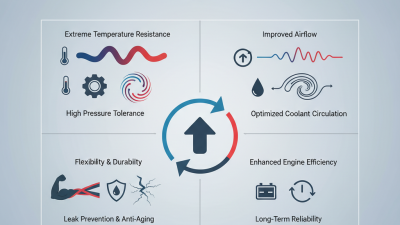
This chart displays the key benefits of silicone intake hoses, rated from 1 to 10 based on their advantages. The ratings reflect the effectiveness of silicone materials in various applications, emphasizing durability and resistance among other qualities.
Silicone intake hoses are gaining popularity in automotive applications. They are known for their ability to enhance engine performance and efficiency. These hoses are made from high-grade silicone, which withstands extreme temperatures and pressure. This unique material offers better airflow compared to traditional rubber hoses. Improved airflow leads to a more efficient combustion process, which can positively affect engine power.
Many car enthusiasts are switching to silicone hoses for their durability. Unlike rubber, silicone does not crack or degrade over time. This longevity means less frequent replacements, saving money and time. Silicone hoses are also lighter, which can contribute to improved vehicle performance. However, the transition to silicone may require additional adjustments in some vehicles. It's essential to ensure compatibility with other engine components.
Tips: When considering silicone intake hoses, check the specifications carefully. It's vital to understand how they interact with your engine setup. Additionally, consult with experienced professionals to get the best fit for your needs. Remember, while silicone hoses have numerous benefits, keep an eye on installation to prevent potential leaks. Properly installed hoses can significantly boost engine efficiency while ensuring reliability over the long term.
Silicone intake hoses offer significant advantages, particularly with temperature tolerance. These hoses can withstand extreme heat, which makes them ideal for various applications. They are commonly used in automotive and industrial settings where high performance is paramount. Their high-temperature resistance can prevent deformation, ensuring reliability and longevity in demanding environments.
Manufacturers often highlight the strength of silicone under stress. For example, in an engine compartment where temperatures can exceed 200°C, silicone hoses maintain their shape and integrity. Conversely, traditional rubber hoses may soften or crack under the same conditions. This reliability gives product users confidence in their performance, especially in critical systems.
Still, it is essential to remain diligent. While silicone hoses perform well, not all silicone materials are equal. Market variability exists, and buyers should research options thoroughly. Choosing high-quality silicone ensures maximum benefits, but poor quality can lead to failure. This choice requires careful consideration and awareness of specific needs.
| Benefit | Description | Temperature Range (°C) | Applications |
|---|---|---|---|
| High Temperature Resistance | Silicone hoses can withstand extreme temperatures without degrading. | -60 to 260 | Automotive, Industrial Heating |
| Chemical Resistance | Silicone is resistant to many chemicals and oils, making it suitable for various environments. | N/A | Manufacturing, Laboratory |
| Flexibility | Silicone hoses remain flexible at low temperatures, allowing for easier installation and bends. | -60 to 200 | Automotive, HVAC Systems |
| Durability | Resistant to aging and environmental effects, ensuring longevity of use. | N/A | Various Industries |
| Low Thermal Conductivity | Prevents heat loss in systems, improving efficiency. | N/A | Heating Systems |
| Non-Toxic | Safe for use in food and medical applications. | N/A | Food Processing, Healthcare |
| Easy to Clean | Silicone surfaces repel dirt and grime, making maintenance straightforward. | N/A | Food Preparation, Medical Equipment |
| Versatile Manufacturing | Can be molded into various shapes and sizes for specific applications. | N/A | Custom Solutions in Various Sectors |
| High Compression Stability | Maintains structural integrity under pressure and compression. | N/A | Heavy Machinery, Vehicles |
| Aesthetic Options | Available in various colors and finishes to match branding or equipment. | N/A | Commercial Applications |
Silicone hoses offer incredible versatility for a wide range of applications. Due to their adaptable design, they can be customized to fit specific needs. Many industries, including automotive, food processing, and pharmaceuticals, utilize silicone hoses for their superior performance. According to a report by Research and Markets, the global silicone hose market is expected to grow by 5.2% annually. This reflects the increasing demand for tailored solutions.
Customization allows silicone hoses to perform optimally under various conditions. For example, they can withstand extreme temperatures and pressures. This adaptability is crucial for sectors that require reliability. However, it is essential to ensure that all specifications are met during the design phase. Small miscalculations can lead to product failures. Testing and quality checks are vital in maintaining performance standards.
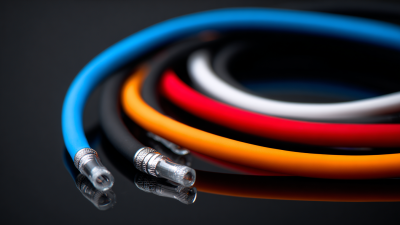
Another attractive feature is the wide range of colors and designs available. This aesthetic flexibility lets companies align products with their branding without compromising functionality. However, not all manufacturers prioritize customization adequately. Clients must conduct thorough research to find capable producers. Engaging with experts in silicone technology can prevent costly mistakes during the selection process.