In the ever-evolving world of industrial materials, fluorosilicone hose has emerged as a vital solution. Dr. Emily Rhodes, a renowned expert in polymer technology, states, "Fluorosilicone hoses provide an unmatched combination of durability and flexibility." This highlights their crucial role across various applications.
Fluorosilicone hoses offer unique benefits that cater to a range of industry needs. Their remarkable resistance to extreme temperatures and chemicals sets them apart from standard rubber hoses. These hoses retain their shape and performance under stress, ensuring reliability in demanding environments. Consider their use in aerospace and automotive sectors, where performance is non-negotiable.
However, not all applications may require fluorosilicone. Some businesses may find traditional hoses adequate. Evaluating your specific needs is essential. In an industry focused on efficiency and cost-effectiveness, weighing the benefits against potential overspending is worth consideration. Fluorosilicone hoses might be the right choice, but it is crucial to analyze all options available.
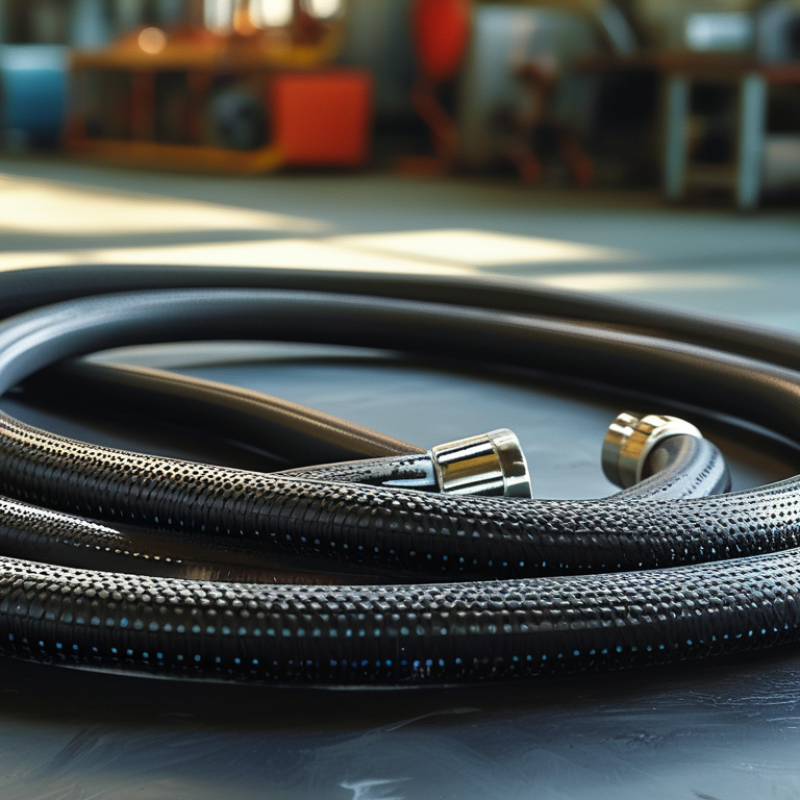
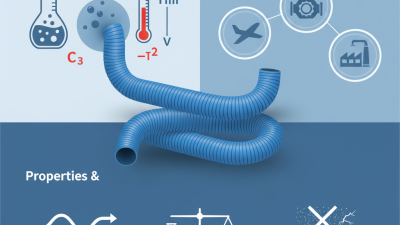
Fluorosilicone hose is an advanced material known for its unique composition. It combines silicone's flexibility with fluoropolymer's chemical resistance. This combination offers significant advantages in various industrial applications. Its ability to withstand extreme temperatures, ranging from -65°F to 400°F, makes it a reliable choice.
When looking at the composition, fluorosilicone features a silicone backbone that enhances elasticity. The fluorinated side groups provide exceptional resistance to fuels, oils, and chemicals. This makes it ideal for aerospace, automotive, and industrial sectors. Its durability reduces maintenance costs significantly.
Tips for selecting the right fluorosilicone hose include considering the specific chemicals you'll encounter. Not all hoses are created equal. Certain formulations may better suit specific applications. Always check technical specifications. Ensuring compatibility with your operational environment is crucial.
Another point to ponder is the hose’s flexibility versus rigidity. Some tasks may demand a stiffer hose for better flow. However, flexibility is often necessary in tight spaces. A careful evaluation of these factors can enhance performance and longevity. Always consult the manufacturer’s guidelines to optimize your choice.
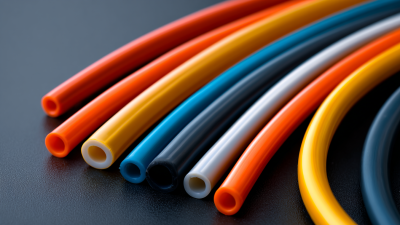
In extreme environments, reliability is paramount. Fluorosilicone hoses excel in situations that expose them to harsh chemicals and extreme temperatures. They can withstand intense heat, often up to 200°C, while maintaining flexibility. This makes them ideal for aerospace and automotive applications where integrity is critical. The unique properties of fluorosilicone provide an excellent barrier against fuel and oil, ensuring that contaminants do not compromise the system's performance.
These hoses are also resistant to abrasion and wear, which is essential in demanding conditions. For example, in rugged terrains, they endure frequent movement and friction without deteriorating quickly. This durability can lead to reduced maintenance costs. However, not all applications may find fluorosilicone hoses necessary, as their advanced features come with a higher price point. Users must weigh the benefits against their specific requirements, reflecting on whether the investment aligns with their operational demands.
Fluorosilicone hoses offer exceptional resistance to a wide range of chemicals and fluids. This is crucial for industries that deal with harsh substances. These hoses can withstand exposure to oils, solvents, and other aggressive chemicals. Their unique composition ensures they do not degrade quickly under such conditions. This durability can lead to fewer replacements and lower costs over time.
Applications in aerospace and automotive sectors particularly benefit from this resistance. In these fields, the integrity of materials significantly impacts safety and performance. A failure due to hose degradation can have serious consequences. Choosing the right material for hoses minimizes this risk and enhances overall system reliability.
While fluorosilicone hoses excel in many scenarios, it’s essential to consider their limitations. Some users may find these hoses more expensive than standard options. It’s important to evaluate whether the benefits justify the cost for specific needs. Not all applications require the superior properties of fluorosilicone. Always assess your requirements carefully before making a decision.
| Benefit | Description | Applications |
|---|---|---|
| Chemical Resistance | Excellent resistance to a wide variety of chemicals, acids, and solvents. | Chemical processing, oil and gas industry. |
| Temperature Stability | Maintains performance in extreme temperature ranges. | Aerospace, automotive applications. |
| Flexibility | High flexibility even at low temperatures, reducing the risk of breakage. | Industrial machinery, robotics. |
| Low Permeability | Minimizes absorption of liquids, maintaining integrity over time. | Hydraulic systems, fuel lines. |
| Weather Resistance | Resistant to UV radiation and ozone degradation. | Outdoor applications, marine environments. |
| Durability | Long service life, even in harsh conditions. | Heavy-duty machinery, automotive components. |
| Non-stick Properties | Reduces friction and prevents buildup of deposits. | Food processing, pharmaceutical applications. |
| Versatility | Can be molded into various shapes and sizes for specific applications. | Custom applications across industries. |
| Safety | Meets various safety standards in chemical handling. | Laboratories, chemical plants. |
| Cost-Effectiveness | Long-lasting performance leads to reduced replacement costs. | Various industrial applications. |
Fluorosilicone hoses are gaining recognition for their exceptional thermal stability. They can withstand temperatures from -65°F to 400°F (-54°C to 204°C). This temperature tolerance is crucial in various industries, particularly those in extreme environments. A recent report by the Rubber Manufacturers Association highlighted that hoses suffering thermal degradation can lead to equipment failure. Such failures often result in costly downtimes.
To ensure optimal performance, choose hoses that meet industry standards. Materials should resist heat and environmental stressors. Using fluorosilicone hoses can also enhance the safety of your systems. Regular inspections are necessary. Look for signs of wear and tear.
Remember, not all hoses are made equal. Understand your specific needs before selecting materials. Consider the operating conditions unique to your application. Comprehensive testing can prevent future issues and maintain reliability in extreme conditions.
Fluorosilicone hose offers versatility across numerous industries. In aerospace, it withstands extreme temperatures and provides flexibility for intricate systems. Aircraft engines often face harsh conditions, and these hoses help maintain performance and safety. Their resistance to fuel and chemicals makes them essential in this critical sector.
In automotive applications, fluorosilicone hoses are used in fuel systems and coolant lines. They resist oil and various fluids, ensuring reliability. Installing these hoses can lead to improved engine efficiency. Maintenance teams appreciate their durability, reducing the need for frequent replacements.
The medical industry also benefits from fluorosilicone hoses. They are used in equipment requiring high standards of cleanliness. Their smooth surface minimizes bacteria buildup, which is crucial in healthcare settings. However, cost considerations may limit some facilities from choosing them. The investment often pays off in longevity and reduced maintenance needs.