In the growing market of food safety, the choice of materials is crucial. Food Grade Silicone Hose stands out due to its exceptional properties. According to industry reports from the Food and Drug Administration (FDA), silicone hoses meet stringent food safety standards. They possess a high level of heat resistance and flexibility, making them ideal for various food processing applications.
Food Grade Silicone Hose can withstand extreme temperatures, ranging from -60°C to +200°C. This durability ensures that these hoses do not contaminate food products. Research indicates that silicone materials can be cleaned easily. Regular cleaning prevents bacteria buildup. However, not all silicone hoses are created equal. Some may lack certifications or are made from lower quality materials. This discrepancy can lead to food safety risks.
Investing in the right Food Grade Silicone Hose is essential. Manufacturers need to focus on quality and traceability. Selecting certified suppliers ensures compliance with health regulations. Ultimately, a well-informed choice can lead to safer food processing and a healthier consumer population.
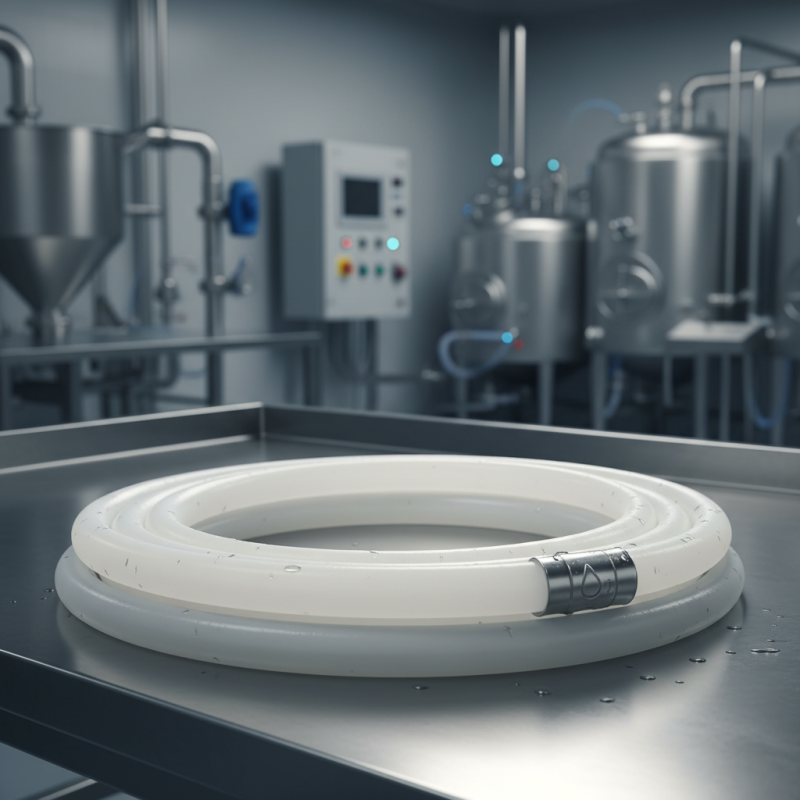
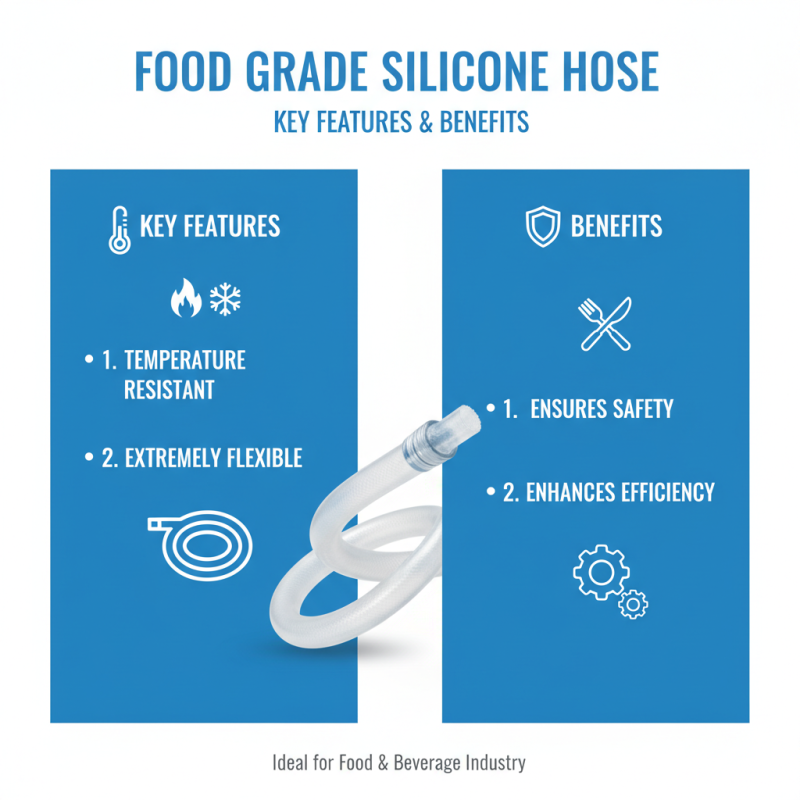
Food-grade silicone hoses are essential for many applications in the food and beverage industry. These hoses are specifically designed to handle various food products, ensuring safety and efficiency. One key feature is their ability to withstand extreme temperatures. They remain flexible in both hot and cold environments. This flexibility is crucial for systems that require regular movement.
Another important benefit is their resistance to various chemicals. Food-grade silicone hoses can handle oils, fats, and other substances without degrading. This property allows them to maintain integrity over time. A common mistake is assuming all silicone hoses are food-grade. Not all silicone products are safe for food contact, which can lead to contamination.
Furthermore, these hoses are easy to clean. Many can be sterilized, making them suitable for hygienic processes. However, it is vital to check specific cleaning guidelines to avoid damage. Regular inspection for wear and tear is necessary. Being proactive can prevent costly issues down the line. Choosing the right materials is crucial for operational efficiency and consumer safety.
Food grade silicone hoses serve crucial roles across various industries. Their flexibility and durability make them ideal for applications in food processing and beverage systems. These hoses withstand temperature extremes while maintaining safety for food contact. Many breweries and dairies rely on silicone hoses to ensure hygiene and prevent contamination. Their high chemical resistance makes them a reliable choice for transporting liquids.
In the pharmaceutical sector, food grade silicone hoses are used in manufacturing processes. They transport sensitive materials without compromising quality. Transparency in these hoses helps monitor flow rates and detect blockages easily. However, proper maintenance is essential. Regular cleaning and inspection prevent buildup that could affect performance.
While many industries benefit, challenges exist. Some users report difficulties in sourcing suitable sizes and configurations. Not all suppliers provide the same quality assurance. Seeking suppliers with a good track record can mitigate risks. Adopting proper installation techniques is also vital to ensure long-lasting performance. By addressing these aspects, industries can enhance efficiency and safety in their operations.
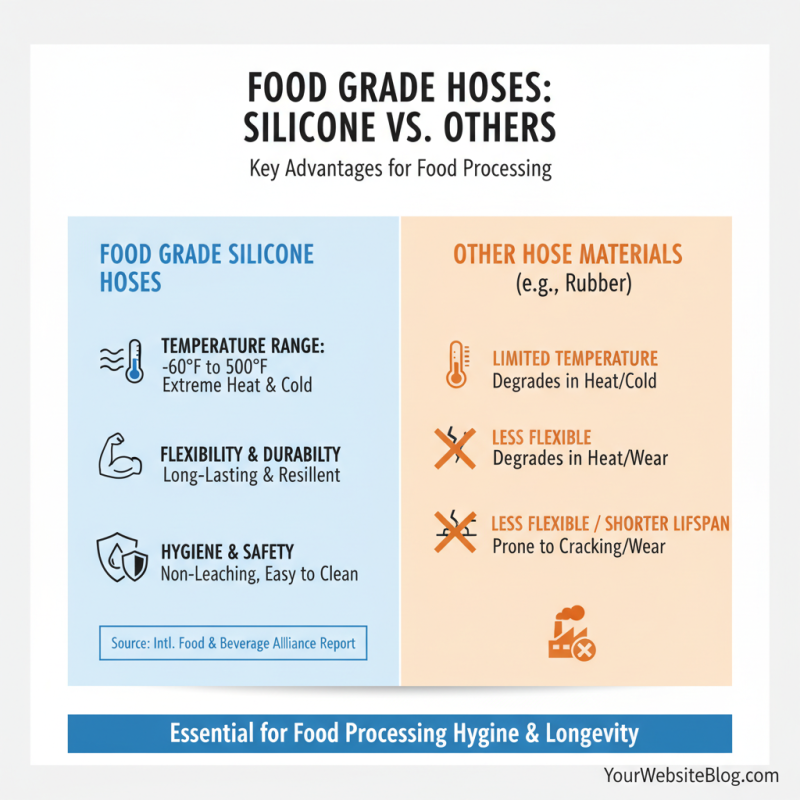
When comparing food grade silicone hoses to other materials, the differences become clear. Food grade silicone is flexible and heat-resistant, making it ideal for a variety of applications in the food industry. According to a report by the International Food and Beverage Alliance, silicone hoses can withstand temperatures ranging from -60°F to 500°F, outperforming traditional rubber hoses. This longevity and durability are essential for maintaining hygiene in food processing.
In contrast, materials such as PVC and rubber often contain additives that can leach into food products. A study published in the Journal of Food Protection states that PVC hoses can release toxic chemicals, raising safety concerns. Food grade silicone, however, is free from harmful substances. It meets FDA standards, ensuring a safer choice for food handling. Users should consider the potential impacts of using inferior materials on food quality and safety.
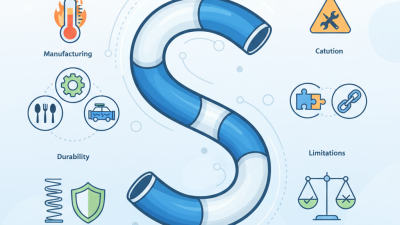
While food grade silicone hoses are an excellent investment, they are not without flaws. Some users report that silicone can be more expensive upfront compared to rubber or PVC options. Moreover, the flexibility of silicone can lead to kinking in high-pressure systems. Despite these drawbacks, the benefits of silicone often outweigh the downsides, particularly in applications that prioritize safety and efficiency.
Choosing the right food grade silicone hose is crucial for safety and efficiency in food-related applications. Look for hoses made from 100% silicone, as they are resistant to heat and cold. Research shows that silicone hoses maintain flexibility and durability across various temperatures, which is vital when used in food processing. A study from the Food Science Journal indicates that silicone can withstand temperature ranges from -60°F to 500°F without degrading, ensuring long-term use.
When selecting a silicone hose, consider the diameter and length based on your specific needs. Industry standards often recommend a thicker wall for hoses that will handle high-pressure systems. Additionally, ensure that the hose is free from fillers, which can compromise its safety. A tip: always check for certifications, such as FDA approval, to ensure the material meets safety standards for food contact.
Another point to ponder is the hose's compatibility with various food products. Not all silicone hoses are suited for oily or acidic foods. Testing the hose with your specific application is essential to avoid issues down the line. Remember, regular inspection is vital. A small crack or degradation can lead to contamination, posing health risks. By being meticulous, you can ensure that your food grade silicone hose serves its purpose efficiently and safely.
| Property | Description | Ideal Use Cases | Temperature Resistance |
|---|---|---|---|
| Material | 100% food grade silicone | Food processing, beverage industry | -60°C to 200°C |
| Flexibility | Highly flexible and durable | Bending applications, portable food setups | -50°C to 180°C |
| FDA Compliance | Meets FDA standards for food safety | Any food-related applications | N/A |
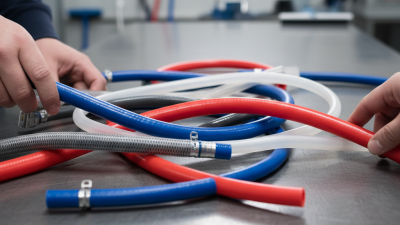
| Color Options | Transparent, blue, red, green | Identifying different hoses in use | N/A |
| Maintenance | Easy to clean and maintain | Regular, repeated use | N/A |
Maintaining silicone hoses is crucial for their longevity. Silicone is known for its resilience against heat and corrosion. However, without proper care, even the best silicone hoses can degrade over time. Studies show that silicone hoses can last up to 10 years with the right maintenance, while neglect can halve that lifespan.
A few essential tips can significantly extend their durability. Firstly, clean the hoses regularly with mild soap and water. Avoid abrasive cleaners that can scratch the surface. Secondly, inspect for wear and tear frequently. Look for cracks or discoloration, as these can be signs of degradation. A well-maintained hose is not only safer but also more reliable for your operations.
Don’t forget to store hoses in a cool, dry place when not in use. High temperatures can lead to premature aging. Remember, even a small oversight can lead to costly replacements. Staying proactive about maintenance is vital for maximizing the lifespan of your silicone hoses.