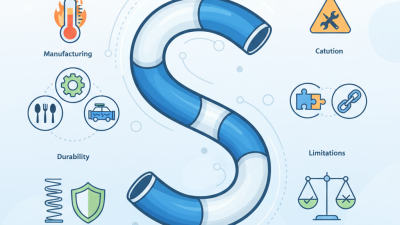
Best Elbow Silicone Hose for Optimal Performance and Durability?
Elbow Silicone Hoses are vital components in many industrial applications. Their ability to withstand high pressures and temperatures makes them indispensable. According to a report from Global Market Insights, the silicone hose market is projected to grow steadily, reflecting the increasing demand for efficiency in manufacturing processes.
Performance and durability are key factors when selecting Elbow Silicone Hoses. A study by TechNavio highlights that the right materials and designs enhance longevity. High-quality silicone hoses resist degradation, ensuring consistent performance over time. However, not all options on the market provide the same reliability, which poses challenges for operators.
It's essential to evaluate factors such as bend radius and pressure ratings. While many hoses look similar, their performance can vary significantly. Industry experts emphasize the importance of choosing a reputable manufacturer. A poor choice can lead to costly downtime or equipment failure, highlighting the need for thorough research. Selecting the optimal Elbow Silicone Hose requires understanding these nuances to maximize both performance and durability.
Understanding the Importance of Elbow Silicone Hoses in Performance
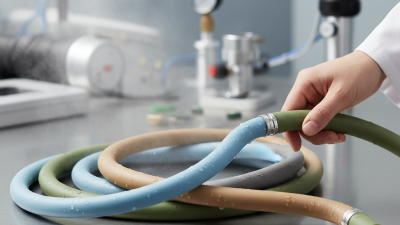
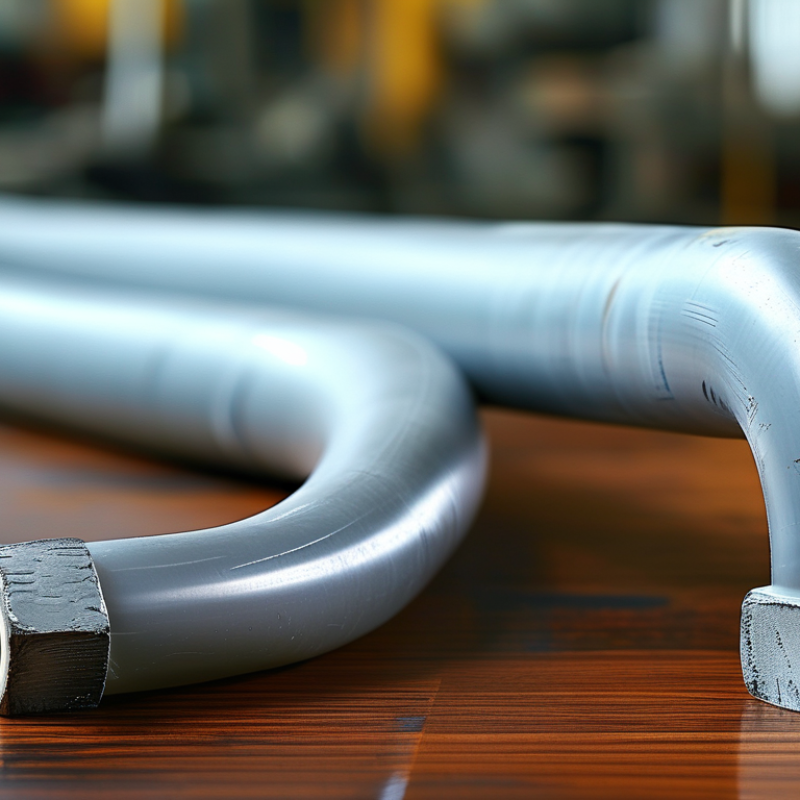
Elbow silicone hoses play a crucial role in optimizing performance. Their flexibility allows for tight turns in engine layouts, ensuring smoother airflow and coolant transfer. High-quality silicone hoses resist extreme temperatures and pressure, making them ideal for demanding environments. Many users underestimate the importance of material quality. Opting for inferior hoses can lead to leaks and reduced performance.
When choosing elbow silicone hoses, look for reputable manufacturers. Quality assurance is key. A hose that can withstand higher pressures offers better durability and longevity. It’s often the small details, like thickness and construction, that make a difference. Some hoses may appear good but fail under real conditions. Testing under pressure is advisable.
Tip: Regularly inspect hoses for wear and tear. Look for any signs of cracking or soft spots. Replace them proactively to avoid engine damage. Remember, performance can’t be maximized with faulty components. Stay informed about the latest materials and designs in the market. Knowledge is your best tool for making informed choices.
Material Composition: Why Silicone Matters for Durability and Flexibility
When it comes to the performance and durability of elbow hoses, material composition plays a critical role. Silicone stands out due to its inherent flexibility and temperature resistance. This means silicone hoses can withstand extreme conditions without cracking or degrading. They resist high temperatures, making them ideal for high-performance applications. The smooth inner surface also allows for optimal airflow, enhancing efficiency.
One might wonder, why silicone? This material is non-toxic and safe for various applications. Its durability is tested through rigorous conditions, showing it can outlast traditional rubber hoses. However, not every silicone hose is created equal. Some cheaper options may not offer the same resilience or flexibility. Users should consider factors such as thickness and reinforcement. Testing different options may reveal unexpected weaknesses. Observing wear over time is crucial for ensuring long-term reliability.
Factors to Consider When Choosing Elbow Silicone Hoses
When selecting elbow silicone hoses, several factors must be carefully evaluated for optimal performance. The temperature rating of the silicone is crucial. You want a material that can withstand the heat without degrading. Often, higher-quality hoses can handle extreme temperatures better than cheaper options. This quality is vital for applications in automotive or industrial settings.
Another essential consideration is the hose's bend radius. A tight bend might look appealing but can restrict airflow. This restriction can lead to inefficiencies in performance. Ensuring the right bend radius preserves fluid dynamics and enhances the system's overall efficiency. Also, pay attention to the wall thickness of the hose. Thicker walls often improve durability, but they can also add weight and stiffness, factors that may not suit every application.
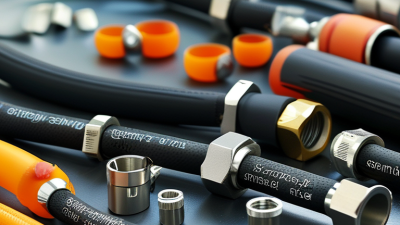
The type of fittings used with the hose is another aspect to reflect on. Not all fittings create a secure connection. A poor fit can lead to leaks or pressure loss. It’s best to consider compatibility with existing systems. That way, functionality is maximized. Ultimately, each choice should align with specific performance needs while balancing durability and flexibility.
Performance Comparison of Elbow Silicone Hoses
Top Brands and Their Features in Elbow Silicone Hose Market
In the elbow silicone hose market, specific brands stand out for their performance and durability. These hoses are crucial in various applications, from automotive to industrial uses. Studies have shown that high-quality silicone hoses can withstand high temperatures, up to 300°C, and significant pressure variations, ensuring optimal performance over time.
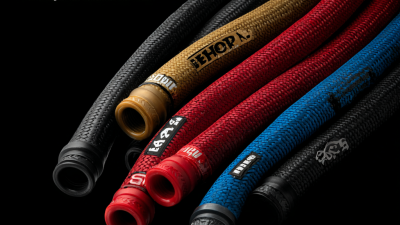
One defining feature of top brands is their reinforced construction. This allows them to maintain shape and strength under stress. Some hoses include internal braided materials for extra durability. This design helps prevent kinks and leaks, which can lead to costly repairs.
Tips: Always check the silicone material's grade. High-grade silicone can improve longevity. Inspect for compatibility with your specific application. Inadequate compatibility may lead to premature failure, impacting performance.
Another element to consider is the temperature range. Hoses that operate in extreme conditions need enhanced resistance. Industry reports indicate that hoses used in racing or high-performance settings require superior materials. Choosing the right type is essential for safety and effectiveness.
Maintenance Tips for Prolonging the Life of Elbow Silicone Hoses
Elbow silicone hoses are essential components in many automotive and industrial applications. They endure high temperatures and pressures, making maintenance crucial for longevity. Regular inspections can prevent minor issues from escalating into costly repairs. Look for any signs of wear, such as cracks or soft spots. These issues often develop unnoticed.
Cleaning is another important aspect. Use warm, soapy water to remove dirt and debris. For stubborn build-up, a soft brush can be useful. Avoid harsh chemicals that may damage the silicone. A clean hose performs better and lasts longer.
Proper installation also impacts durability. Ensure that the hose fits snugly in its fittings. Avoid over-tightening, as this can lead to material stress and potential failure. Pay attention to routing; hoses should not be kinked or pinched. Taking these steps will help maintain the effectiveness of elbow silicone hoses.
Best Elbow Silicone Hose for Optimal Performance and Durability? - Maintenance Tips for Prolonging the Life of Elbow Silicone Hoses
| Feature |
Description |
Maintenance Tips |
| Material Quality |
High-grade silicone that withstands extreme temperatures. |
Regularly inspect for wear and replace as necessary. |
| Flexibility |
Excellent bend radius which aids in installation and reduces stress on the hose. |
Avoid sharp bends and kinks during installation. |
| Temperature Resistance |
Can withstand temperatures from -60°C to +200°C. |
Use within specified temperature limits; monitor performance during extreme conditions. |
| Pressure Rating |
High burst pressure and vacuum resistance. |
Check fittings regularly to ensure secure connections and prevent leaks. |
| Color Options |
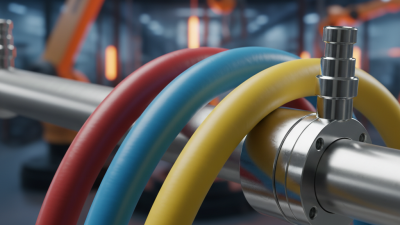
Available in multiple colors for easy identification in installations. |
Choose colors that reduce heat absorption in sunny environments. |
| Chemical Resistance |
Resistant to many automotive fluids and chemicals. |
Avoid contact with aggressive chemicals, and clean spills promptly. |