China Best Silicon Radiator Hose Manufacturer?
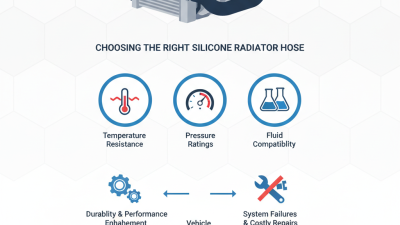
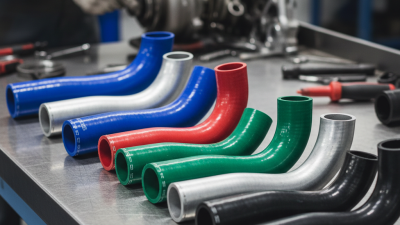
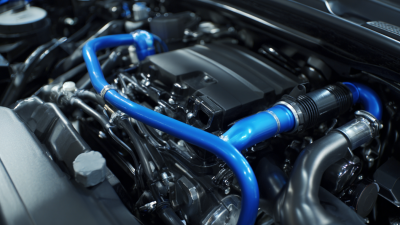
Choosing the China best Silicon Radiator Hose manufacturer requires more than comparing prices or browsing attractive product photographs. A reliable supplier should demonstrate practical experience with cooling systems, reinforced hose construction, and demanding engine environments. Their products should resist heat, pressure, vibration, ozone, and common automotive fluids. Small details matter, including smooth inner walls, consistent wall thickness, clean cuts, and secure packaging.
Technical credibility begins with transparent specifications. A professional manufacturer should provide hose dimensions, temperature ranges, pressure ratings, reinforcement layers, and material information. Production records, batch traceability, and inspection reports also support dependable purchasing decisions. Factory audits can reveal important facts, such as mixing control, curing equipment, storage conditions, and final inspection procedures. Samples should be tested under realistic conditions, not merely displayed on a catalog page. Look closely.
A strong China-based supplier may offer custom bends, molded elbows, color options, branding, and flexible minimum order quantities. However, customization should never weaken performance or consistency. Communication is another practical test. Engineers should answer clearly, review drawings carefully, and explain limitations instead of promising everything. No manufacturer is perfect. Even experienced factories can face tooling delays, material variation, or occasional quality concerns. What matters is their response, corrective action, and willingness to share evidence.
This guide examines how to evaluate a Silicon Radiator Hose manufacturer through production capability, material quality, testing discipline, delivery reliability, and after-sales support. It focuses on evidence rather than impressive claims. The right partner should help protect engines, reduce replacement frequency, and maintain stable performance across demanding applications. Reliability is earned in production.
China’s Best Silicone Radiator Hose Manufacturer: A 2026 Evaluation Framework
China’s Best Silicone Radiator Hose Manufacturer: A 2026 Evaluation Framework
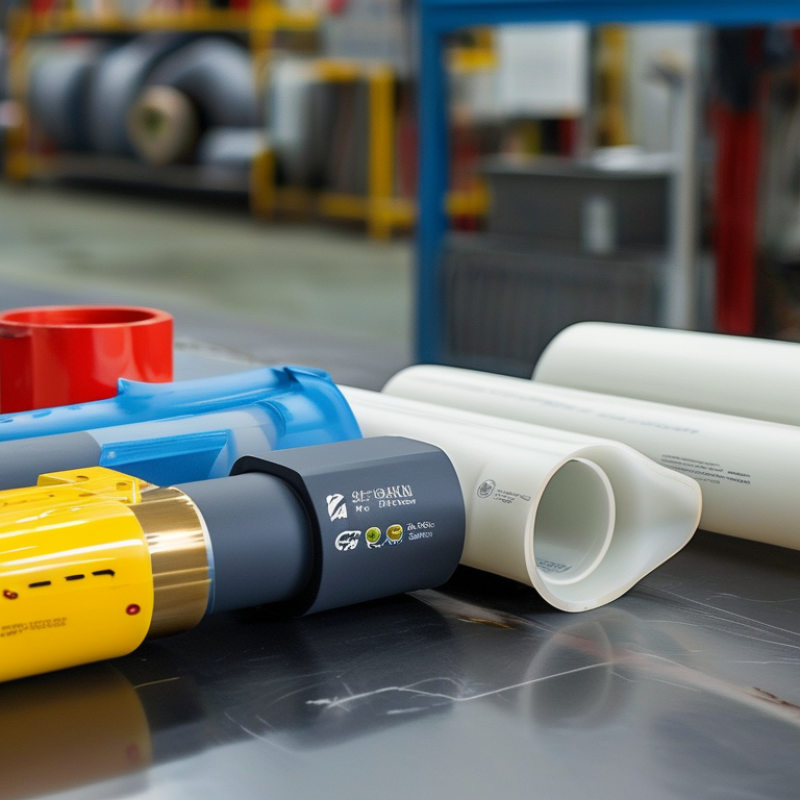
Choosing China’s best silicone radiator hose manufacturer in 2026 requires more than comparing prices. A reliable evaluation starts with coolant type, operating temperature, pressure, bend radius, and engine vibration. Ask for the silicone grade, reinforcement structure, and curing method. Do not accept vague “high-temperature” claims. A serious manufacturer provides test records, dimensional tolerances, and batch traceability. During factory visits, small details mattered. Clean cutting edges, even wall thickness, and stable fittings revealed process discipline. Good evidence beats polished sales language.
The technical review should include burst pressure, impulse cycling, thermal aging, ozone resistance, and clamp compatibility. Samples should be inspected before and after testing. Measure inner diameter at several points. It reveals uneven construction. The 2026 framework also weighs process control. Look for incoming-material checks, calibrated equipment, controlled storage, and corrective-action records. Independent laboratory reports add confidence, but they must match the supplied hose specification. A certificate alone is not proof.
Reliability is also commercial. Confirm mold ownership, lead-time capacity, packaging protection, and response speed when a defect appears. Request a pilot order, not only showroom samples. The first sample may be excellent. Production can differ. That uncomfortable gap deserves attention. I would score transparency, repeatability, and technical communication alongside price. No manufacturer is perfect, and my evaluation can miss hidden process risks. Recheck critical claims with fresh samples and real installation conditions.
Material Comparison: 3–5 Ply Reinforcement Versus EPDM Radiator Hoses
China Best Silicone Radiator Hose Manufacturer?
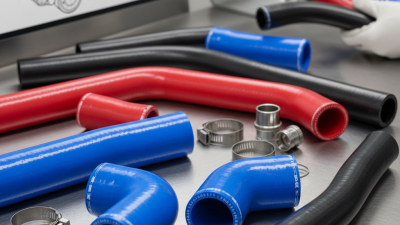
When evaluating a China-based silicone radiator hose manufacturer, material structure deserves careful attention. A 3–5 ply hose combines silicone tubing with polyester or aramid reinforcement. Each ply controls pressure, shape, and temperature movement. This layered design suits modified engines, racing vehicles, and demanding cooling systems. However, more plies do not automatically mean better performance.
EPDM radiator hoses remain practical for many factory-style cooling systems. They resist coolant, ozone, weathering, and everyday engine-bay exposure. Their rubber feel is usually less firm than silicone, which can ease installation around tight bends. Yet EPDM may harden sooner near turbochargers or poorly shielded exhaust parts. A 3-ply hose can provide strong heat stability, while a 5-ply design adds stiffness and burst resistance. Still, fitment and compound quality matter more than ply count alone. Buyers sometimes oversimplify this choice.
Tips: Check the hose inner diameter with a caliper, not by eye. Ask for reinforcement details, working-temperature data, and pressure-test records. Inspect the cut edge; uneven layers may reveal inconsistent manufacturing. Choose EPDM for standard replacement needs, and reinforced silicone for severe heat or pressure. I would also check routing clearance after engine movement. Small gaps disappear quickly. No material is perfect.
Factory Quality Control: ISO 9001, Pressure Testing, and Batch Traceability
China Best Silicon Radiator Hose Manufacturer?
A reliable silicone radiator hose manufacturer needs more than bright colors and clean packaging. Factory quality control begins with a documented ISO 9001 system. It defines material approval, production checks, nonconformity handling, and corrective actions. Experienced technicians inspect silicone compound batches before mixing. They check hardness, reinforcement placement, wall thickness, and surface finish during production. Small details matter.
Pressure testing provides practical evidence. Each hose should follow a defined test method based on its design and application. Inspectors examine leakage, deformation, and connection stability under controlled pressure. Test fixtures must be calibrated and recorded. A failed sample should not disappear into a spreadsheet. It should trigger investigation, isolation, and retesting. Pressure testing alone is not enough.
Batch traceability connects the finished hose to its production history. A clear code can identify raw materials, forming equipment, operators, inspection results, and shipment date. This supports faster root-cause analysis when an irregularity appears in the field. It also helps buyers verify consistency across repeated orders. Factory records are valuable only when they are accurate and accessible. In real production, variation still happens. Even strong systems need review. The honest question is whether the factory can find, explain, and correct it.
Silicone Radiator Hose Factory Quality Control Reference
Reference coverage targets for ISO 9001 quality management, pressure testing, and batch traceability
The chart presents reference control targets rather than company-specific performance data. ISO 9001 supports documented and controlled production processes, while pressure testing and batch traceability are commonly used to verify hose reliability and identify production lots throughout manufacturing and delivery.
Export Readiness: IATF 16949, 1,000+ SKUs, and Global Compliance Criteria
China’s best silicon radiator hose manufacturer must prove export readiness beyond attractive pricing. OICA recorded 93.5 million vehicles produced worldwide in 2023. That scale demands stable hose performance, repeatable processes, and documented traceability.
IATF 16949 certification shows that automotive quality systems are formally controlled. It does not guarantee perfect products. Buyers should review process audits, control plans, PPAP files, and corrective-action records. A capable factory can manage more than 1,000 SKUs, including straight hoses, elbows, reducers, and custom assemblies. Each SKU needs a clear drawing, compound specification, curing record, and batch identification. Small details matter.
Compliance is practical, not decorative. Export documents should support applicable chemical, labeling, material, and vehicle-market requirements. The European Environment Agency reported that transport remained a major source of greenhouse-gas emissions in Europe in 2022, encouraging tighter efficiency and durability expectations. Silicone hoses can tolerate high temperatures, but poor reinforcement or incorrect clamping still causes failure. We have seen this gap during sample validation. A supplier may pass a short pressure test yet lack long-term thermal-aging evidence. That weakness deserves honest review. Reliable exporters provide test reports, inspection photos, packaging details, and responsive technical support before shipment. Surface appearance alone is not enough.