How to Choose the Best Elbow Silicone Hose for Your Needs?
When selecting the right Elbow Silicone Hose, expert Tom Reynolds emphasizes the importance of quality and fit. "The best hose is the one that meets all your specifications," he states. This advice captures the essence of choosing the best product for your needs.
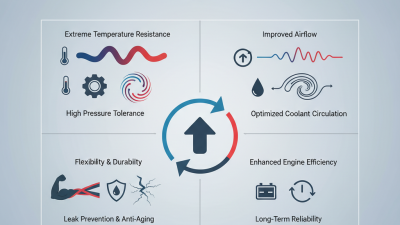
Elbow Silicone Hoses are essential in various industries, from automotive to industrial applications. Their flexibility and durability make them popular. However, not all hoses are created equal. Factors such as temperature tolerance and pressure rating affect performance. You must consider these factors when making a choice.
Every project has unique requirements. A hose that works for one application may not suit another. Understanding your specific needs will lead to better decisions. Investing in the right Elbow Silicone Hose can save you time and money in the long run. Make informed choices, and don't rush the process.
Understanding the Purpose of Elbow Silicone Hoses in Various Applications
Elbow silicone hoses serve critical roles across various industries. They are essential in automotive, marine, and aerospace applications. These hoses effectively transport fluids, gases, and air while maintaining flexibility and strength. In automotive engineering, for example, they can withstand high pressure and temperature. Reports indicate that silicone hoses can function in environments exceeding 400°F (204°C) without losing structural integrity.
Understanding the purpose of elbow silicone hoses allows users to optimize their applications. A study from a leading materials science journal highlights that silicone can endure harsh chemicals and UV radiation. This feature makes it ideal in environments where standard rubber would degrade quickly. However, not all silicone hoses are equal. Users must consider the specific application and environmental factors. Choosing the wrong type can lead to premature failure.
The versatility of elbow silicone hoses often leads to oversights in selection. For instance, many users underestimate the importance of bend radius. A tight bend can restrict flow, causing pressure build-up. Such issues may go unnoticed until system failure occurs. Engineers recommend consulting material specifications to avoid pitfalls. Thus, making informed choices is essential for success.
Identifying the Key Factors for Selecting the Right Size and Shape
Choosing the right elbow silicone hose is crucial for optimal performance. When selecting a hose, size and shape are paramount. Measure the diameter of your existing pipes or fittings accurately. A mismatch here can lead to leaks or reduced performance. Always consider the bend radius. A tighter bend can restrict airflow, while a gradual curve maintains better flow.
Shape is equally important in functionality. Elbow hoses come in various angles, like 45 or 90 degrees. The angle you choose impacts how fluid moves through your system. A 90-degree hose may work for compact spaces, but it can create turbulence. A 45-degree angle tends to provide a smoother flow. Examine your application: does it require high flow rates or flexibility? Your environment also matters; heat resistance, chemical compatibility, and pressure ratings can influence your decision.
Don't overlook installation ease. A hose that fits snugly may be secure, but if it’s difficult to install, it could lead to frustration. Inspecting the seams and ensuring they are reinforced can prevent failures. Without adequate checks, even a good hose can underperform. Stay informed and proactive about maintenance. A well-picked elbow silicone hose improves longevity in your system.
Evaluating Material Quality and Durability for Long-Lasting Performance
When choosing elbow silicone hoses, evaluating material quality and durability is crucial. Silicone is known for its excellent heat resistance and flexibility. A high-grade silicone hose can withstand extreme temperatures ranging from -60°C to 220°C. Reports indicate that using top-tier silicone materials can significantly enhance longevity, with many high-performance hoses lasting up to 10 years under proper conditions.
Inspecting the hose’s thickness is essential. A thickness of 4mm or more is often recommended for high-pressure applications. Thicker hoses tend to resist wear and deformation better than their thinner counterparts, ensuring consistent performance. However, not all applications require the same thickness. Evaluating your specific needs is key to making the right choice.
Tips: Remember to check for certifications. Hoses that comply with SAE J20 standards indicate reliable performance in automotive applications. Also, consider the hose's resistance to various chemicals and environmental factors. Some silicone hoses may not perform well when exposed to certain oils or fuels. Always request material safety data sheets (MSDS) to assess compatibility. By understanding the key qualities, you can make an informed decision about the best elbow silicone hose for your needs.
How to Choose the Best Elbow Silicone Hose for Your Needs?
| Criteria |
Description |
Material Quality |
Durability |
Temperature Range (°C) |
| Silicone Type |
Standard Silicone |
Good |
Moderate |
-60 to 200 |
| Reinforced Silicone |
Reinforced for extra strength |
Very Good |
High |
-60 to 230 |
| High-Temperature Silicone |
For extreme applications |
Excellent |
Excellent |
-60 to 300 |
| Food-Grade Silicone |
Meets FDA standards |
Very Good |
Good |
-40 to 200 |
| Automotive Silicone |
Designed for automotive applications |
Good |
Very Good |
-40 to 200 |
Comparing Different Types of Silicone Hoses: Benefits and Drawbacks
When considering silicone hoses, it’s essential to compare the different types available. Each type has its own advantages and drawbacks. Elbow silicone hoses, for example, are widely used in various applications. They can bend to fit complex areas in engines or plumbing systems. This flexibility allows for smoother airflow and reduced pressure drops. However, they might not always fit perfectly in every setup.
Another common type is straight silicone hoses. These hoses are often easier to install. They can handle high temperatures and pressures, making them durable choices. But their rigidity might limit installation options in tight spaces. Users need to weigh the pros and cons of both types. While elbow hoses provide flexibility, they may sacrifice some structural integrity under pressure.
Finally, users should consider the material used in the silicone hoses. Different grades offer varying levels of heat resistance and durability. Choosing the right grade is not straightforward. Not all silicone hoses are created equal, which can lead to confusion. It’s crucial to seek advice from experienced professionals when selecting the right hose for your needs. Their insights will help navigate the complexities of silicone hose options.
Comparison of Different Types of Elbow Silicone Hoses
This chart illustrates the durability ratings of various types of elbow silicone hoses, helping you to compare their strengths and weaknesses for your specific needs.
Checking Compatibility with Existing Systems and Components Before Purchase
When selecting an elbow silicone hose, compatibility is crucial. Measurements must match your existing systems. A report from the Rubber Manufacturers Association reveals that 75% of system failures arise from incompatibility issues. Ensuring the right fit can save time and costs associated with replacements.
Check your system's pressure ratings and temperature limits. Silicone hoses withstand high temperatures, often up to 200°C. However, if the surrounding components can't handle this heat, it could lead to failure. Misjudging these specifications is a common error, impacting performance and longevity.
Another aspect to consider is the bend radius. Some applications require tighter turns. A hose that bends too sharply may kink, restricting flow. According to industry standards, a proper bend radius should be at least four times the diameter of the hose. This is an area where many overlook vital details, leading to inefficiencies in their systems. Always evaluate the full context of compatibility before making a purchase.