How to Choose the Right Auto Silicone Hose for Your Vehicle Needs
In the world of automotive performance, selecting the right components can significantly impact your vehicle's efficiency and longevity. One such critical component is the Auto Silicone Hose, which has gained popularity for its durability and flexibility compared to traditional rubber hoses. As noted by industry expert John Miller, a seasoned automotive engineer with over 20 years of experience, “The right Auto Silicone Hose can enhance not only the performance of your engine but also its overall reliability.”
With a variety of options available on the market, choosing the appropriate Auto Silicone Hose for your vehicle can be a daunting task. Factors such as temperature resistance, pressure capacity, and compatibility with your vehicle’s specifications play crucial roles in making the right decision. Whether you’re a car enthusiast seeking to upgrade your ride or a mechanic looking for reliable parts for your clients, understanding the nuances of Auto Silicone Hoses is essential.
In this guide, we will explore key considerations for selecting the ideal Auto Silicone Hose tailored to your vehicle's needs. From understanding the different types available to recognizing their advantages over traditional hoses, we aim to provide you with the insights necessary to make an informed choice, ensuring your vehicle performs at its best.
Understanding Auto Silicone Hoses and Their Applications
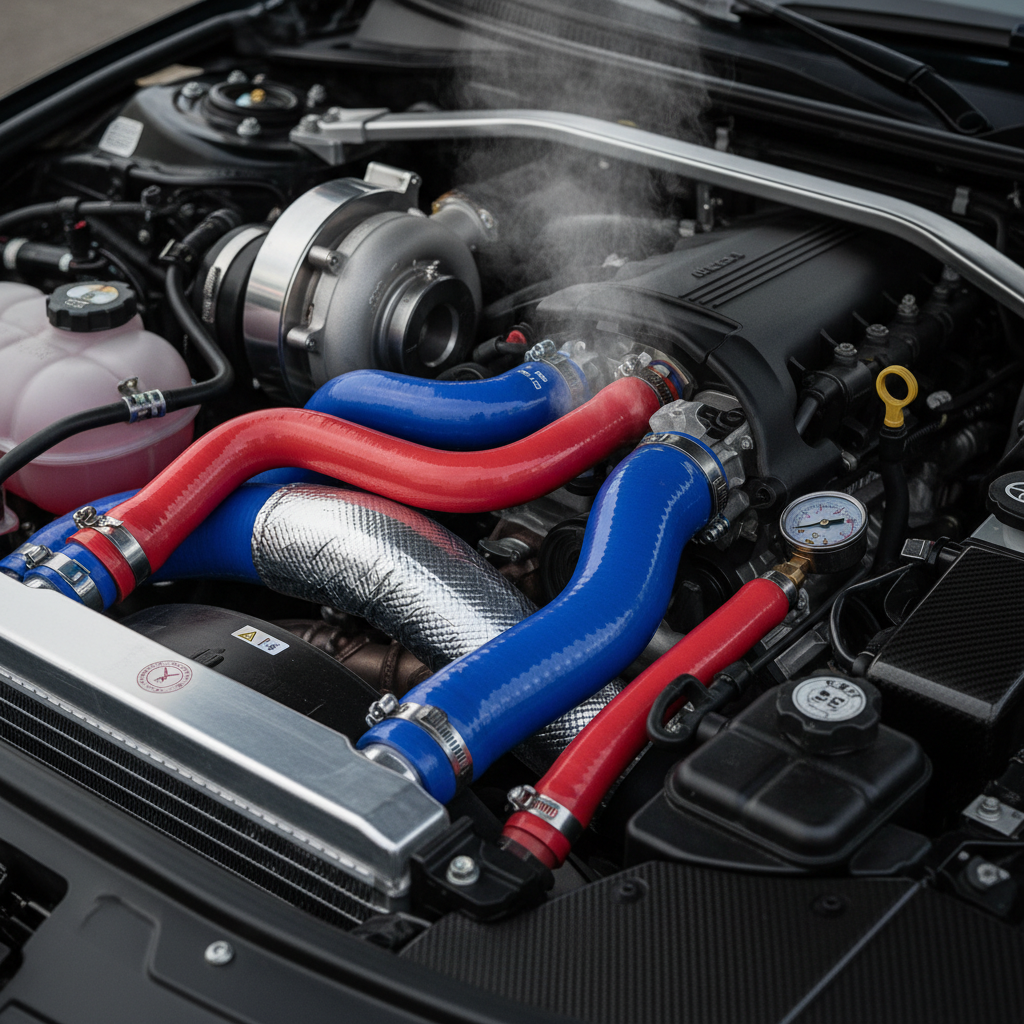
Auto silicone hoses are crucial components in modern vehicles, providing superior flexibility and durability in high-temperature and high-pressure environments. Unlike traditional rubber hoses, silicone hoses can withstand temperatures ranging from -65°F to 500°F, making them ideal for various automotive applications. According to a report by Grand View Research, the automotive silicone hose market is expected to reach $1.34 billion by 2025, driven by increasing demand for high-performance vehicles and eco-friendly products.
These hoses are commonly used in applications such as coolant transportation, turbocharger systems, and air intake systems. Their ability to resist aging, ozone, and extreme temperatures enhances vehicle performance while reducing maintenance costs. A study published in the Journal of Automotive Engineering indicates that utilizing silicone hoses can improve engine efficiency by up to 10%, emphasizing their pivotal role in optimizing vehicle performance. Understanding these applications and the properties of silicone hoses is essential for selecting the right product for your vehicle's needs.
Factors to Consider When Choosing Auto Silicone Hoses
When selecting the right auto silicone hose, several crucial factors should be taken into account. First, the temperature range is vital; silicone hoses can withstand temperatures from -60°C to over 200°C, making them suitable for a wide range of automotive applications. According to a 2021 report by the Silicone Manufacturers Association, hoses designed for high-performance vehicles often utilize silicone due to its superior heat resistance and flexibility compared to traditional rubber hoses.
Another important consideration is the pressure rating of the hoses. Most silicone hoses have a working pressure between 3 to 5 bar (around 43 to 73 psi), and understanding this metric is essential for ensuring compatibility with your vehicle's system. A study from the Society of Automotive Engineers highlights that over-pressurization is a common failure point for hoses, making it critical to choose hoses that align with your specific engine requirements. Furthermore, the construction type—whether it’s a single or multi-ply design—also influences durability and performance, especially in high-pressure environments. This information is invaluable for both DIY enthusiasts and professionals aiming to ensure optimal vehicle performance.
How to Choose the Right Auto Silicone Hose for Your Vehicle Needs
| Factor |
Description |
Recommended Material |
| Temperature Resistance |
Consider the temperature range the hose will be exposed to in your vehicle. |
High-Temperature Silicone |
| Diameter Size |
Match the hose diameter to avoid airflow restriction. |
Custom-Fit Silicone Hoses |
| Pressure Rating |
Ensure the hose can handle the pressure requirements of your system. |
Reinforced Silicone |
| Chemical Compatibility |
Select a hose that can resist chemicals or fluids it will encounter. |
Silicone Resistant to Specific Chemicals |
| Flexibility and Bend Radius |
Choose hoses that can bend easily for tight spaces without kinking. |
Flexible Silicone Hoses |
| Length |
Measure the length required for installation to ensure a proper fit. |
Custom Length Silicone Hoses |
Comparing Different Types of Auto Silicone Hoses
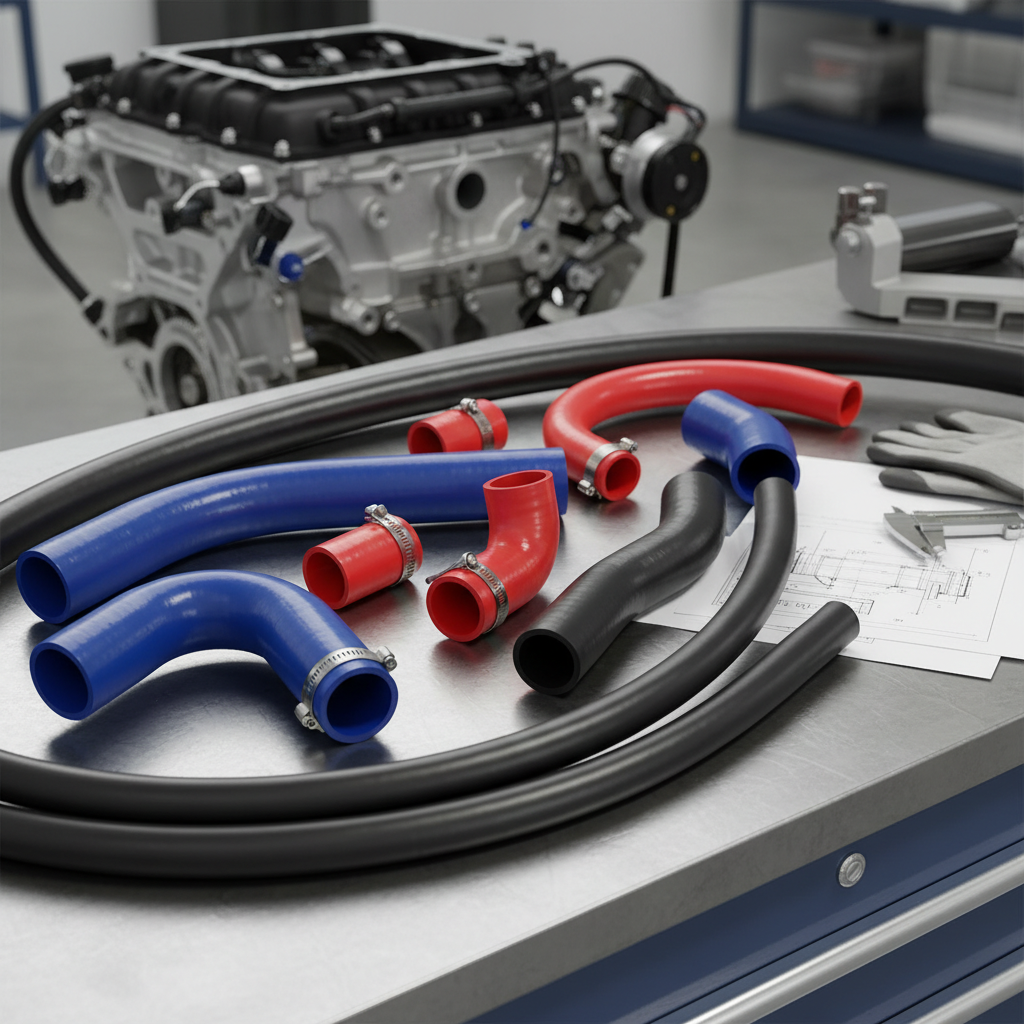
When selecting the right auto silicone hose for your vehicle, it's essential to understand the various types available and their specific applications. Silicone hoses are known for their durability, flexibility, and resistance to heat and chemicals, making them ideal for various automotive uses. The most common types include straight hoses, elbow hoses, and reducer hoses. Straight hoses are versatile and often used for connecting two components directly, while elbow hoses are designed for applications that require a change in direction, allowing for a smoother flow of fluids. Reducer hoses, on the other hand, are perfect for transitioning between different diameters, ensuring a secure fit for various parts.
Another important consideration when comparing silicone hoses is their construction and temperature rating. Some hoses feature reinforced layers that enhance strength and prevent collapse under high-pressure conditions. It's crucial to choose hoses that can withstand the specific temperature ranges relevant to your vehicle's operation. Additionally, the level of flexibility varies among different silicone hoses, which can impact ease of installation and routing within your engine bay. By carefully evaluating these factors, you can make an informed decision that meets your vehicle's unique needs and performance requirements.
Tips for Selecting the Right Size and Fit for Your Vehicle
When selecting the right auto silicone hose for your vehicle, size and fit are critical factors to consider. A properly fitting hose ensures efficient fluid transfer and prevents leaks, which can lead to significant damage. To start, it's essential to measure the diameter of the existing hoses or the ports they connect to. Using a caliper can provide accurate measurements, ensuring you choose a hose that snugly fits without being too tight or too loose.
Another important tip is to assess the length of the hose needed for your application. Consider the routing of the hose; it should follow the most direct path without unnecessary bends or twists. This not only improves performance but also reduces stress on the material. Lastly, keep in mind the temperature and pressure ratings when choosing a hose. Make sure to select a silicone hose that can withstand the specific conditions of your vehicle's environment to avoid premature wear or failure.
Evaluating Quality and Durability of Silicone Hoses
When selecting the right auto silicone hose for your vehicle, evaluating the quality and durability of the hose is crucial. Silicone hoses are known for their superior temperature resistance, flexibility, and longevity compared to traditional rubber hoses. However, not all silicone hoses are created equal. It's essential to choose a product made from high-grade silicone that can withstand extreme engine temperatures and pressures. Look for hoses that feature multiple layers of silicone reinforcement, which can significantly boost their durability and performance.
**Tips:** Always check for certifications or industry standards when purchasing silicone hoses. These certifications ensure that the hoses meet specific quality benchmarks. Additionally, consider the intended use of the hose. If it's for a high-performance vehicle, investing in a premium-grade silicone hose can prevent potential failures and costly repairs down the line.
Another important aspect to consider is the manufacturing process. Hoses that are produced using a high-quality molding technique, such as the use of advanced machinery and skilled craftsmanship, will typically offer better durability. Pay attention to the inner lining of the hose; a smooth interior helps reduce turbulence and improve flow rates, which is vital for optimal performance. Always opt for hoses that come with a warranty, as this can further indicate confidence in their durability.
How to Choose the Right Auto Silicone Hose for Your Vehicle Needs