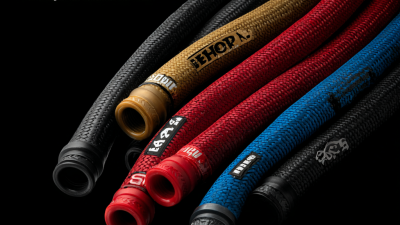
Why Choose Silicone Rubber Hose for Your Next Project?
Silicone Rubber Hose is a versatile material that has gained popularity across various industries. John Smith, a leading expert in industrial materials, once stated, “Using Silicone Rubber Hose can improve efficiency and durability significantly.” This statement highlights the growing recognition of silicone rubber's unique benefits.
Silicone Rubber Hose stands out for its temperature resistance and flexibility. It can withstand extreme temperatures, from very cold to very hot. This makes it ideal for automotive, medical, and food applications. However, not every project requires such specialized solutions. Some may overlook cost considerations or compatibility issues while focusing solely on performance.
In an era of innovation, many engineers choose Silicone Rubber Hose without fully understanding its characteristics. While it offers numerous advantages, it is essential to evaluate the specific needs of your project. Proper application ensures that you make the best decision. Ultimately, understanding both benefits and limitations of Silicone Rubber Hose is crucial for any project’s success.
Advantages of Silicone Rubber Hose Over Traditional Materials
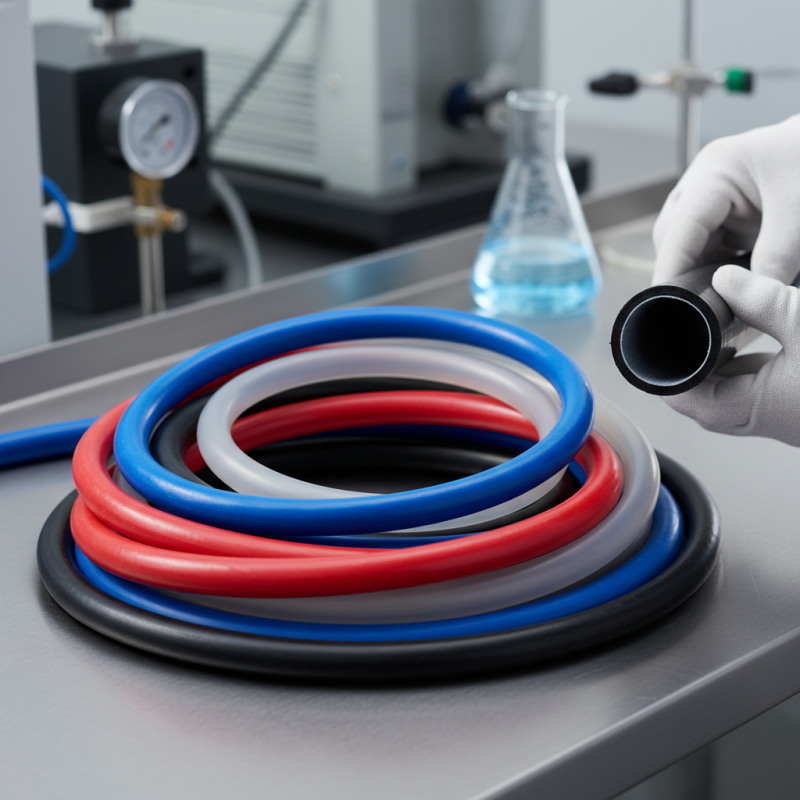
Silicone rubber hoses are gaining popularity in many industries. Their flexibility and durability stand out when compared to traditional materials like rubber or PVC. These hoses can withstand extreme temperatures, from very low to very high, making them suitable for diverse applications. They resist degradation from UV rays and chemicals, which prolongs their lifespan.
Traditional hoses may crack or swell over time. Silicone hoses, however, maintain their integrity. This is crucial in automotive and industrial settings where reliability is key. Moreover, silicone hoses often have better flow characteristics. This can optimize performance in systems where precision is essential. Yet, one must consider the initial cost. Silicone can be pricier upfront than other materials.
There’s also the challenge of compatibility with certain fittings. Not every setup is designed for silicone hoses. You might face some complications. Overall, the advantages of silicone rubber hoses can outweigh the drawbacks for many projects. They offer unique benefits that traditional materials simply cannot match. The choice boils down to the specific needs of each project.
Key Properties of Silicone Rubber That Enhance Performance
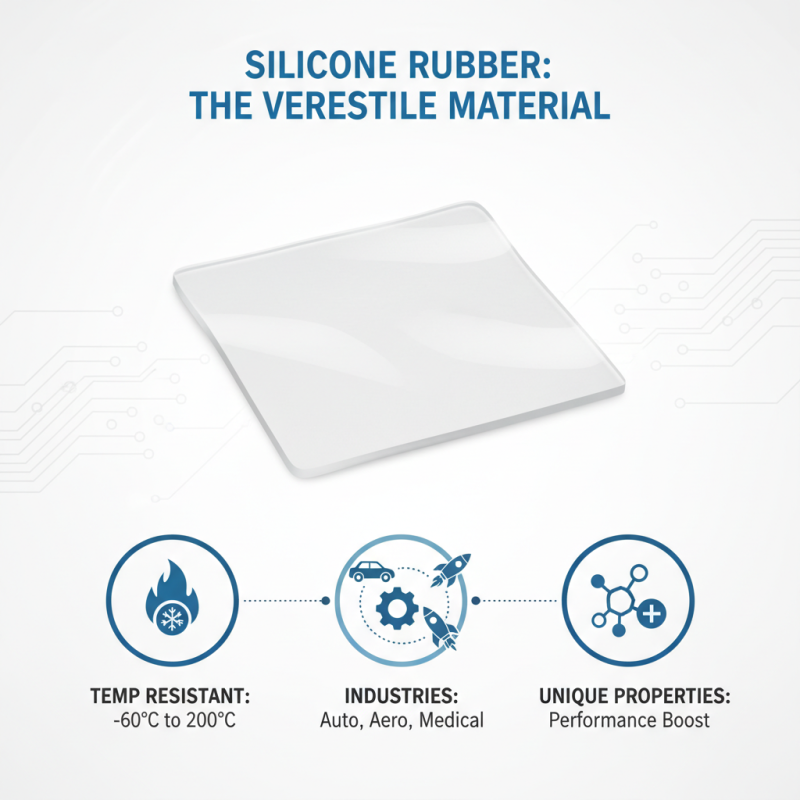
Silicone rubber is a versatile material often chosen for various projects. Its unique properties contribute significantly to performance. One of its key features is temperature resistance. Silicone can withstand extreme temperatures, ranging from -60°C to 200°C. This makes it suitable for applications in both hot and cold environments. Industries using silicone include automotive, aerospace, and medical.
Another important property is flexibility. Silicone rubber hoses remain pliable, even in harsh conditions. They can bend and twist without breaking. This flexibility allows for easy installation in tight spaces. Additionally, silicone is resistant to chemicals. It does not degrade easily when exposed to oils, fuels, or solvents. This enhances durability, but not all silicone grades offer the same chemical resistance.
Moreover, silicone has excellent electrical insulation properties. This makes it ideal for electrical applications. However, it is sometimes challenging to bond silicone with other materials. Finding the right adhesive is crucial. These nuances can affect project outcomes, so careful consideration is necessary. While silicone rubber hoses present many advantages, understanding their limitations is vital for success.
Common Applications for Silicone Rubber Hoses in Various Industries
Silicone rubber hoses are becoming increasingly popular across various industries. Their versatility allows for a wide range of applications. In the automotive industry, these hoses are used in coolant systems and vacuum lines. According to a recent industry report, the global silicone rubber market is projected to reach $9.4 billion by 2028. This growth reflects the increasing adoption of silicone rubber for high-performance applications.
In the medical field, silicone rubber hoses are crucial. They are often found in devices that require biocompatibility. The FDA has approved silicone for medical use, enhancing its demand. Reports suggest that the healthcare market for silicone products is expected to grow by 5% annually. This is significant, indicating a strong trend towards using silicone in medical applications.
Food and beverage sectors also utilize silicone hoses. They offer resistance to extreme temperatures, making them ideal for processing equipment. However, their durability can be a double-edged sword. While they last longer than many alternatives, if they fail, the consequences can be more severe. Thus, careful selection for specific applications is essential. In crafting projects, understanding the limitations of silicone hoses is vital.
Why Choose Silicone Rubber Hose for Your Next Project? - Common Applications for Silicone Rubber Hoses in Various Industries
| Industry |
Common Applications |
Main Advantages |
| Automotive |
Coolant and radiator hoses |
High temperature resistance, flexibility |
| Food & Beverage |
Conveying liquids and gases |
Non-toxic, easy to clean |
| Medical |
Fluid transfer in devices |
Biocompatible, durable |
| Aerospace |
Fuel and hydraulic lines |
Lightweight, high performance |
| Chemical Processing |
Transfer of corrosive substances |
Resistant to chemicals, high durability |
How to Choose the Right Silicone Rubber Hose for Your Project
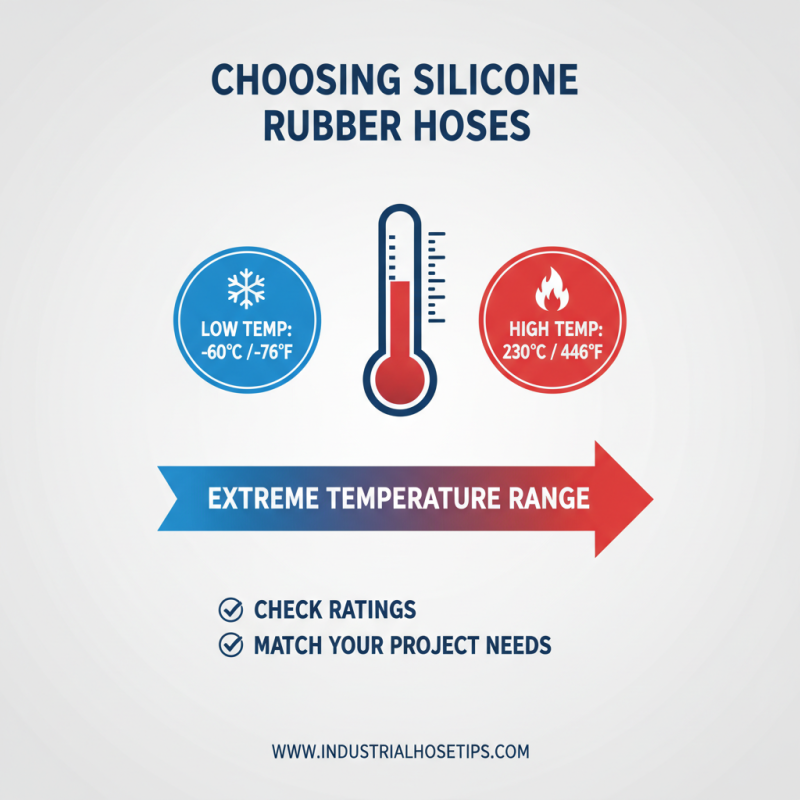
Choosing the right silicone rubber hose is crucial for any project. Consider the temperature range first. Silicone hoses can handle extreme temperatures, from -60°C to 230°C. Ensure the temperature ratings match your needs.
Next, pay attention to the size and diameter. A mismatched size can lead to leaks or poor flow. Measure your existing hoses carefully. If you are unsure, consult dimensional charts for guidance.
Tip: Always verify the compatibility of silicone with your specific application. Some chemicals may degrade silicone rubber. Test samples if possible to avoid future problems.
Lastly, think about the environment where the hose will be used. Exposure to UV, ozone, or moisture can affect performance. Ensure you select a hose designed for those conditions. It's easy to overlook these factors, but they are vital for long-term success.
Maintenance and Durability of Silicone Rubber Hoses for Longevity
Silicone rubber hoses are known for their durability and low maintenance needs. In various industry reports, silicone hoses have demonstrated remarkable longevity, often lasting over ten years in harsh environments. They withstand extreme temperatures ranging from -60°C to 200°C. This versatility makes them an appealing option for many applications.
Maintenance is straightforward. Regular visual inspections can help identify wear and tear. Unlike traditional materials, silicone does not degrade easily. It is resistant to UV rays and oxidation. This resistance reduces the frequency of replacements, leading to cost savings. Data indicates that companies using silicone hoses can reduce maintenance costs by up to 30% over time.
However, it is essential to consider installation factors. Improper fitting may cause leaks or component failure. Ensuring compatibility with other materials is crucial for optimal performance. Many users report issues like kinking or pinching if not installed correctly. Thus, careful attention during installation can enhance the benefits of silicone rubber hoses significantly.
Durability Comparison of Different Hose Materials