2026 How to Choose the Best Automotive Silicone Hose for Your Needs?
Choosing the right Automotive Silicone Hose is critical for the performance of your vehicle. This component plays a key role in coolant systems, air intake, and exhaust applications. The Global Automotive Silicone Hose Market is projected to grow at a CAGR of 5% from 2021 to 2026, indicating a rising demand for quality products.
Not all silicone hoses are the same. The wrong choice can lead to inefficiencies. For instance, hoses that can't withstand high temperatures may fail prematurely. A report by MarketsandMarkets highlights that industry professionals prioritize durability and heat resistance when selecting hoses. Hence, understanding materials and specifications is vital for proper installation.
Inexperienced users might overlook critical details. However, professionals advise considering factors such as size, temperature range, and pressure ratings. Ignoring these specifics can result in costly repairs. Quality and reliability in silicone hoses are paramount for safety and efficiency in automotive applications.

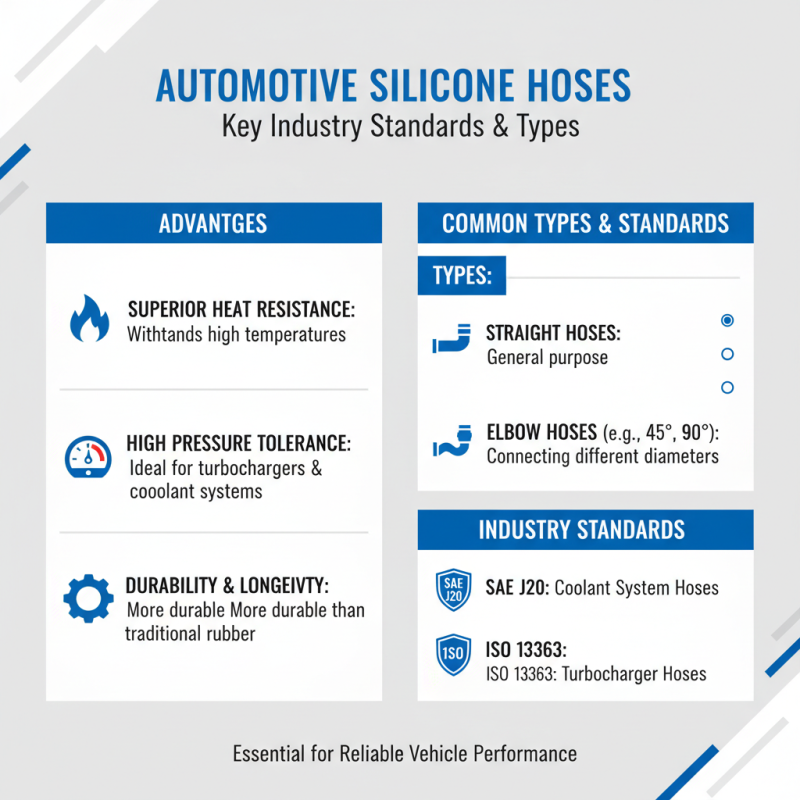
Understanding Automotive Silicone Hoses: Key Industry Standards and Types
Automotive silicone hoses are integral components in various vehicles. Understanding their types and industry standards is essential for making informed decisions. These hoses are made from durable silicone, providing better heat resistance than traditional rubber hoses. They can withstand high temperatures and pressures, making them ideal for many applications, such as coolant systems and turbochargers.
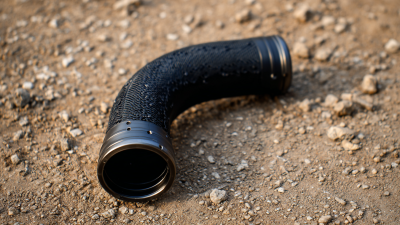
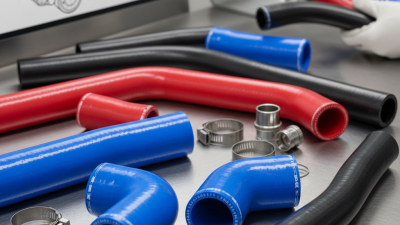
There are several types of automotive silicone hoses available. These include straight hoses, curved hoses, and specialized designs like reducer hoses. Straight hoses are versatile, while curved hoses are beneficial in areas with limited space. Each type has specific characteristics that suit different purposes. Ensure to check the specifications and standards set by organizations like SAE and ISO when selecting a hose.
Choosing the best silicone hose requires careful consideration of your vehicle's requirements. It’s vital to assess compatibility with your system, especially if modifications are involved. While some may overlook these details, doing so can prevent potential issues. A detailed understanding of the hose types and industry standards can significantly improve your vehicle’s performance.
Evaluating Temperature and Pressure Ratings for Silicone Hose Selection
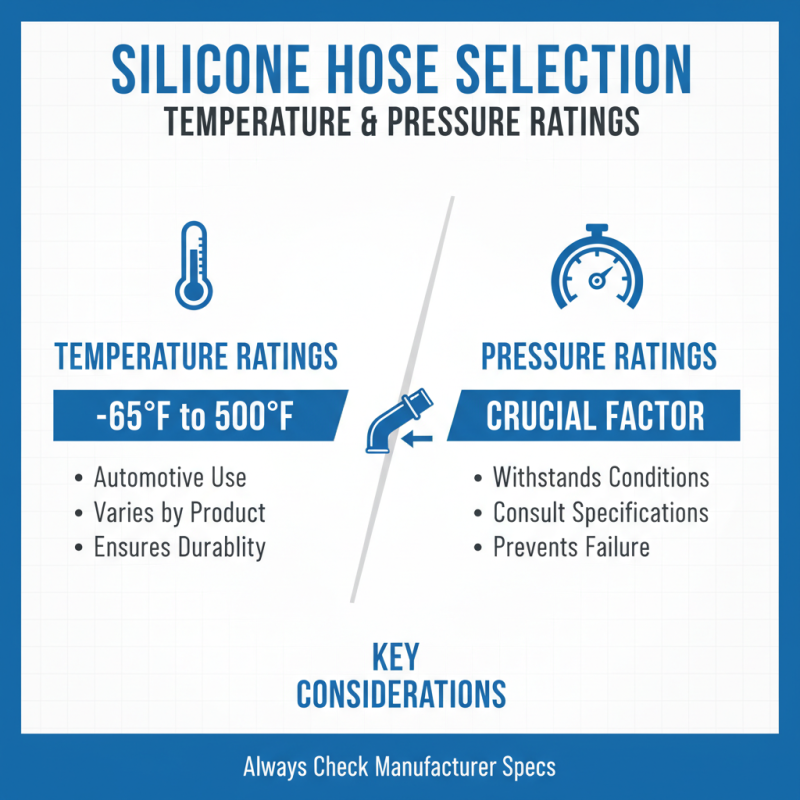
When selecting automotive silicone hoses, understanding temperature and pressure ratings is crucial. These ratings determine the hose's capability to handle various conditions. Knowing the maximum temperature the hose can endure will help you ensure durability. Typically, silicone hoses can withstand temperatures ranging from -65°F to 500°F. However, individual specifications often vary, requiring careful consideration.
Pressure ratings are equally important. A low-pressure hose may not suffice for high-demand applications. Pressure ratings indicate how much internal pressure a hose can handle safely. Some hoses are rated for only a few PSI, while others can withstand several hundred. When evaluating hoses, look for clear labeling of these ratings. Trusting vague descriptions may lead to failures.
Additionally, it is beneficial to consider the application's specific needs. For instance, some environments may expose hoses to extreme temperatures or aggressive chemicals. Determining factors such as fluid types and exposure durations can help refine your choice. Take time to reflect on your requirements before purchasing. Balancing temperature and pressure ratings with specific application needs ensures better performance and longevity.
Comparing Performance Benefits: Silicone vs. Traditional Rubber Hoses
When choosing automotive hoses, the choice between silicone and traditional rubber hoses is crucial. Silicone hoses are known for their high-temperature tolerance, often handling extreme conditions that traditional rubber cannot. They resist degradation from heat and chemicals, ensuring longevity. Unlike rubber, silicone maintains its flexibility even in harsh climates. You'll notice less cracking over time, which is vital for performance.
However, it's essential to consider the specific needs of your vehicle. Silicone hoses may initially be more expensive than rubber. For casual drivers, it might seem unnecessary to invest in higher-end materials. Yet, for those who push their vehicles to the limits, silicone often proves worthwhile. Performance gains can be significant, but budget constraints are real. It's a balance of needs versus practicality.
Both materials have their place in automotive applications. Rubber hoses offer reliability and are often more affordable, appealing to everyday drivers. But if you're looking for performance under pressure, silicone hoses shine brightly. Understanding the specific environment and use will guide your choice. You may wonder, is the extra cost justifiable? The answer depends on your driving style and aspirations.
2026 How to Choose the Best Automotive Silicone Hose for Your Needs? - Comparing Performance Benefits: Silicone vs. Traditional Rubber Hoses
| Feature |
Silicone Hoses |
Traditional Rubber Hoses |
| Temperature Resistance |
-60°C to 200°C |
-40°C to 120°C |
| Durability |
High resistance to abrasion and weather |
Prone to cracking and degradation |
| Flexibility |
Highly flexible and resilient |
Less flexible, may kink or collapse |
| Weight |
Lighter than rubber hoses |
Heavier than silicone hoses |
| Chemical Resistance |
Excellent resistance to many chemicals |
Limited chemical resistance |
| Cost |
Higher initial investment |
Lower initial cost but may need replacement sooner |
Assessing Compatibility with Automotive Fluids and Environmental Conditions
Choosing the right automotive silicone hose requires a careful assessment of compatibility with various automotive fluids. Different fluids, such as oil, coolant, and fuel, have distinct chemical properties. These properties dictate how silicone materials interact over time. For instance, a report by the Society of Automotive Engineers (SAE) indicates that specific grades of silicone perform better with certain fuels, with resistance to degradation being a key factor.
Environmental conditions also play a significant role in selecting silicone hoses. High temperatures can cause some silicone materials to lose elasticity. The automotive industry reports that exposure to temperatures exceeding 200°C can lead to premature failure in standard silicone hoses. Furthermore, climate variability affects hose performance. For example, extreme cold can make silicone rigid and less effective. Some industry studies suggest that hoses used in harsher climates must be specially formulated to endure both heat and cold.
It’s crucial to consult technical data sheets for silicone hoses. These documents provide critical information about fluid compatibility and temperature resistance. However, discrepancies in real-world performance can arise. Not all manufacturers adhere to the same standards. Therefore, relying solely on brand marketing may not ensure optimal performance. Understanding your specific needs and the conditions in which hoses will operate enables better decision-making.
Cost Considerations: Budgeting for Quality in Automotive Silicone Hoses
When considering automotive silicone hoses, cost plays a significant role. A report by the Automotive Industry Association revealed that quality hoses can cost up to 30% more than lower-end options. However, investing in high-quality materials can prevent expensive repairs and replacements. Cheaper hoses may use less durable compounds that wear out faster. This can lead to engine issues or failures, which are far more costly in the long run.
Budgeting effectively for automotive silicone hoses requires analysis. It’s crucial to evaluate the lifespan of the hose relative to its cost. A silicone hose with a lifespan of over five years may save money on replacements. In contrast, a lower-cost option might need replacing every year. Some users overlook this aspect, focusing solely on the initial purchase price. According to industry data, nearly 40% of automotive maintenance failures stem from subpar hose performance.
Choosing the right hose requires careful consideration of your specific needs. Some applications demand hoses that withstand higher pressures and temperatures. Thus, a more expensive hose might be necessary for performance vehicles. An ill-informed choice could lead to suboptimal performance. Investing in quality pays dividends in reliability. The relationship between cost and quality in automotive silicone hoses is crucial for every enthusiast.
2026 Automotive Silicone Hose Cost Considerations