How to Choose the Right Auto Silicone Hose for Your Vehicle?
Choosing the right Auto Silicone Hose for your vehicle is crucial for optimal performance. With various options available, the decision can be overwhelming. Auto silicone hoses are known for their flexibility and durability. They can handle high temperatures and pressures, making them ideal for automotive applications.
When selecting an auto silicone hose, consider factors like size, shape, and reinforcement. The right fit ensures proper fluid flow and pressure. Improper sizing can lead to leaks or failures. Misjudging the material used in the hose could result in increased maintenance costs.
Take time to review your vehicle's requirements. Researching reliable brands is essential. Trustworthy sources provide insights that help in making informed choices. Remember, an ideal auto silicone hose not only improves performance but also enhances reliability. Your vehicle deserves the best components for a smoother ride.
Understanding the Functionality of Auto Silicone Hoses in Vehicles
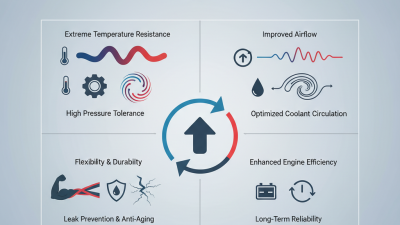
Auto silicone hoses play a crucial role in the efficiency of vehicles. These hoses are designed to withstand extreme temperatures and pressures. They help in transporting fluids, such as coolant and air, effectively. Unlike traditional rubber hoses, silicone hoses provide better flexibility and durability. This means they are less likely to crack or leak, ensuring a longer lifespan.
It's essential to choose the right silicone hose for your vehicle. Not all hoses are created equal. Consider the specifications of your engine and the type of fluids involved. The diameter and length of the hose can affect flow rates. A poorly chosen hose may lead to inefficiencies and potential damage over time.
While silicone hoses are reliable, improper installation can lead to issues. Ensuring a proper fit is critical. Regular inspections are needed to identify signs of wear or damage. Silicone can degrade if exposed to certain chemicals. Understanding these details helps in maintaining vehicle performance effectively. Investing time in choosing the right hose can save headaches in the long run.
Auto Silicone Hose Durability Comparison
Identifying Different Types of Silicone Hoses for Automotive Use
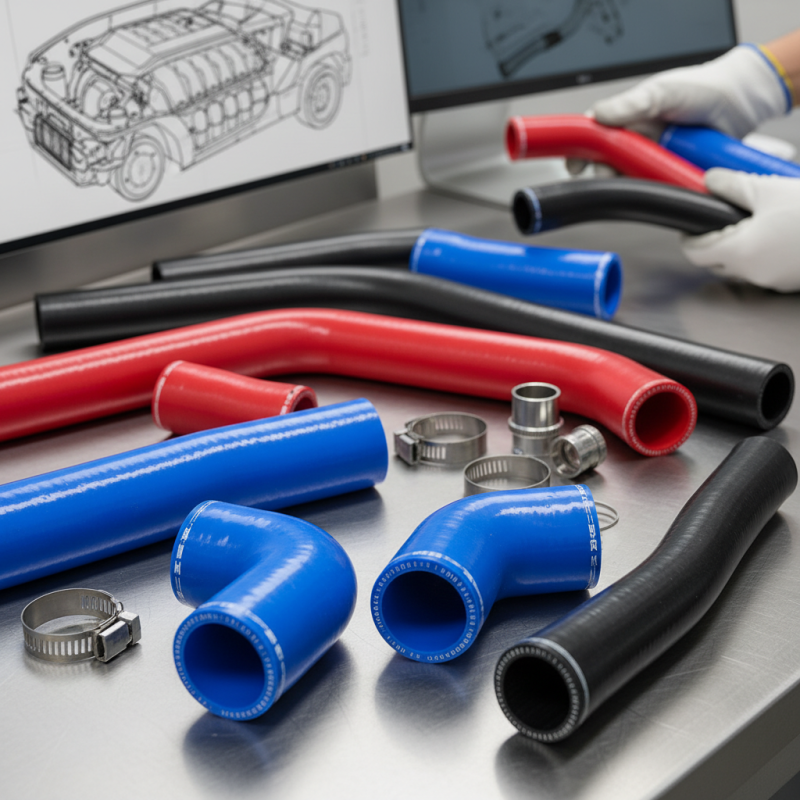
When choosing silicone hoses for automotive use, it's essential to understand the various types available. Silicone hoses come in different shapes, sizes, and grades. High-performance applications require reinforced hoses that resist heat and pressure. These hoses are typically used in turbo and supercharger setups. Conversely, regular radiators may utilize standard silicone hoses, which are less expensive but might not hold up under extreme conditions.
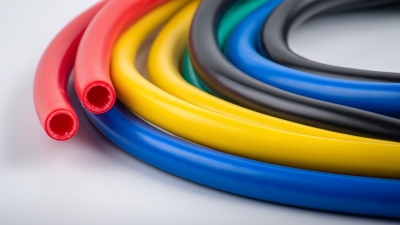
Additionally, consider the silicone hose's flexibility and bend radius. Some applications may require tight bends, which can lead to kinking in rigid hoses. Therefore, selecting a hose that offers the right amount of flexibility for your setup is crucial. It’s also worth noting that there are different color options available, which can be a fun way to personalize your vehicle. However, aesthetic choices should not cloud your judgment on performance.
It's important to buy from reputable suppliers. Low-quality hoses may appear similar but can fail unexpectedly. Researching user reviews may help to identify reliable sources. Remember, not all silicone hoses are created equal, and investing in quality components is key for long-term vehicle performance.
Factors to Consider When Selecting Silicone Hoses for Your Vehicle
When selecting silicone hoses for your vehicle, several key factors should guide your decision. Material quality is paramount. Silicone hoses are known for their durability and heat resistance. According to industry reports, hoses made from high-grade silicone can withstand temperatures up to 350°F. This is crucial for maintaining performance in high-temperature environments.
Another important consideration is the size and fit of the hoses. A proper fit is essential for preventing leaks and ensuring optimal airflow. Measurements should be precise. Use calipers for accurate diameter checks. Even a slight discrepancy can lead to issues. Research indicates that almost 15% of silicone hose failures are due to improper fittings and inadequate installation.
Lastly, think about the application. Silicone hoses are used in various systems, including coolant, air intake, and turbocharging. Each application demands different specifications. For instance, turbo applications often require reinforced hoses to endure higher pressures. Industry analysis shows that using the right type can improve vehicle efficiency by 5-10%. It’s a common oversight to choose based solely on initial cost rather than long-term benefits.
Evaluating the Quality and Performance of Silicone Hoses
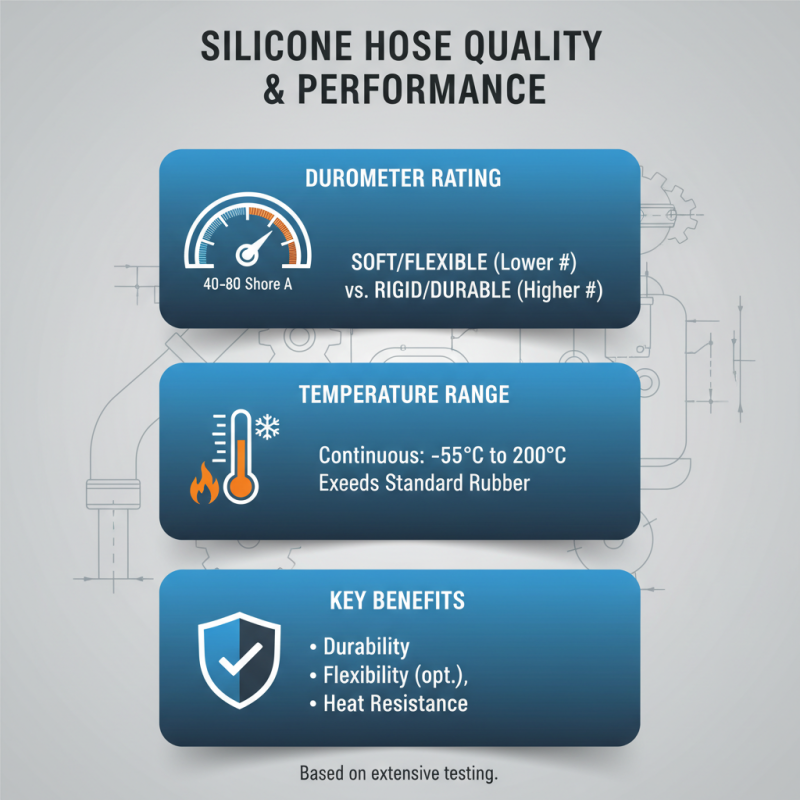
When evaluating the quality and performance of silicone hoses for your vehicle, consider the material's durometer rating. Typically, silicone hose hardness ranges from 40 to 80 Shore A. This metric impacts the flexibility and durability of the hoses. A lower durometer means softer, more flexible hoses, while a higher rating indicates rigidity. Extensive testing shows that high-quality silicone hoses can withstand continuous temperatures from -55°C to 200°C, exceeding standard rubber hoses.
Tips: Check for certifications like ISO 9001 or SAE specifications. These imply adherence to industry standards, ensuring better quality and performance.
Examine the wall thickness as well. Thicker walls improve resistance to pressure and heat. Yet, a thicker wall may also reduce flexibility, making installation tougher. Some reports indicate that hoses with a wall thickness of at least 4mm are less prone to failure in high-pressure applications. However, this may not be suitable for all setups. Manufacturers sometimes compromise flexibility for durability.
Tips: Look out for reinforcement features. Layers of polyester or aramid can significantly enhance hose durability under pressure. However, excessive reinforcement may lead to rigidity that complicates installation. It is essential to find the right balance for your vehicle’s needs.
Installation Tips for Optimal Use of Auto Silicone Hoses
When installing auto silicone hoses, several key factors ensure optimal performance. First, ensure the hose is the correct size for your vehicle’s fittings. Using mismatched sizes can lead to leaks or pressure issues. According to a study from the Society of Automotive Engineers (SAE), proper sizing can reduce failure rates by 30%. Always double-check the diameters before cutting or mounting.
Preparation is crucial for installation. Clean the fittings thoroughly. Dirt and debris can compromise the seal, leading to potential problems. Research indicates that a clean surface enhances adhesion and prevents premature wear. Use appropriate clamps and secure them evenly. Loose or improperly placed clamps can cause hose slippage, leading to failure. The automotive industry reports that over-tightening can be just as damaging as under-tightening, leading to material fatigue.
Monitoring your hoses regularly is also essential. Check for signs of wear, such as cracking or brittleness. Schedule inspections, especially after extreme weather conditions. Maintaining a proactive approach can extend the lifespan of your hoses significantly. Remember, small issues can escalate if overlooked. Consider documenting your maintenance checks to spot trends in wear and adjust accordingly. This reflection process can ultimately save time and money.