How to Choose the Best Silicone Radiator Hose Kit?
Choosing the right Silicone Radiator Hose Kit can enhance your vehicle's performance. A quality radiator hose kit is essential for efficient cooling. The right materials and construction determine durability and efficiency.
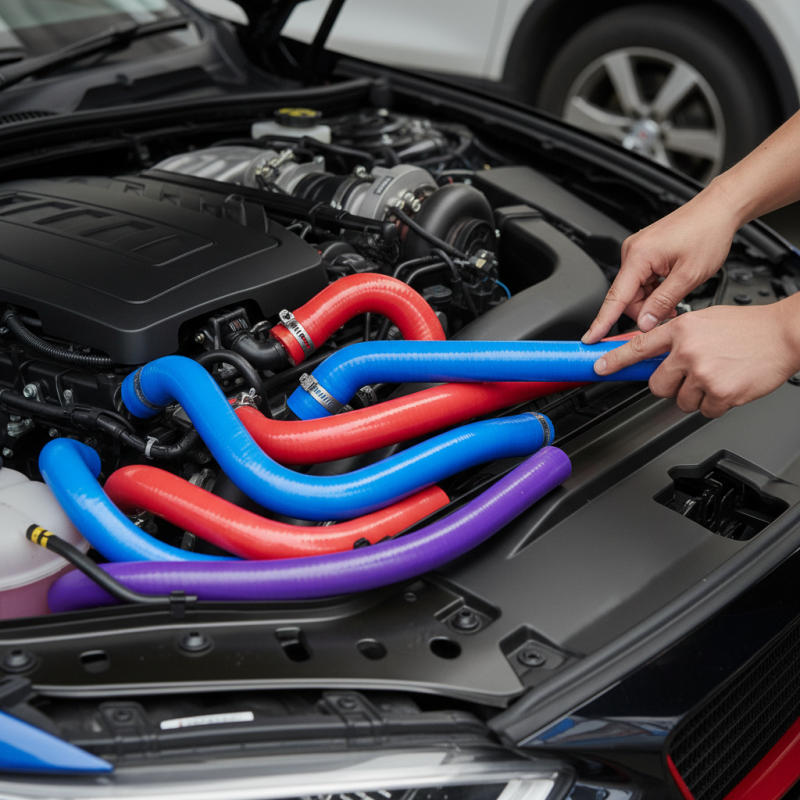
When selecting a silicone hose kit, consider your car's specifications. Not all kits fit every model, so research is vital. Think about the color and size too; these details impact appearance and function.
Remember to check for compatibility. Sometimes, even minor details matter. Look for user reviews and experiences. They can reveal potential issues. Avoid rushing the decision. Reflect on your needs and preferences to make a smart choice.
Understanding the Basics of Silicone Radiator Hose Kits and Their Materials
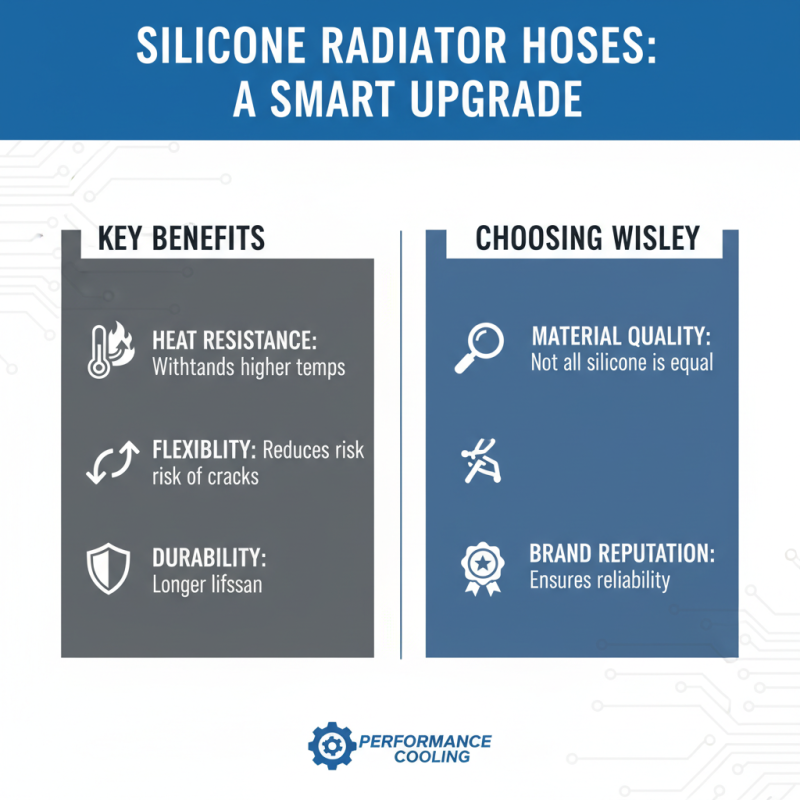
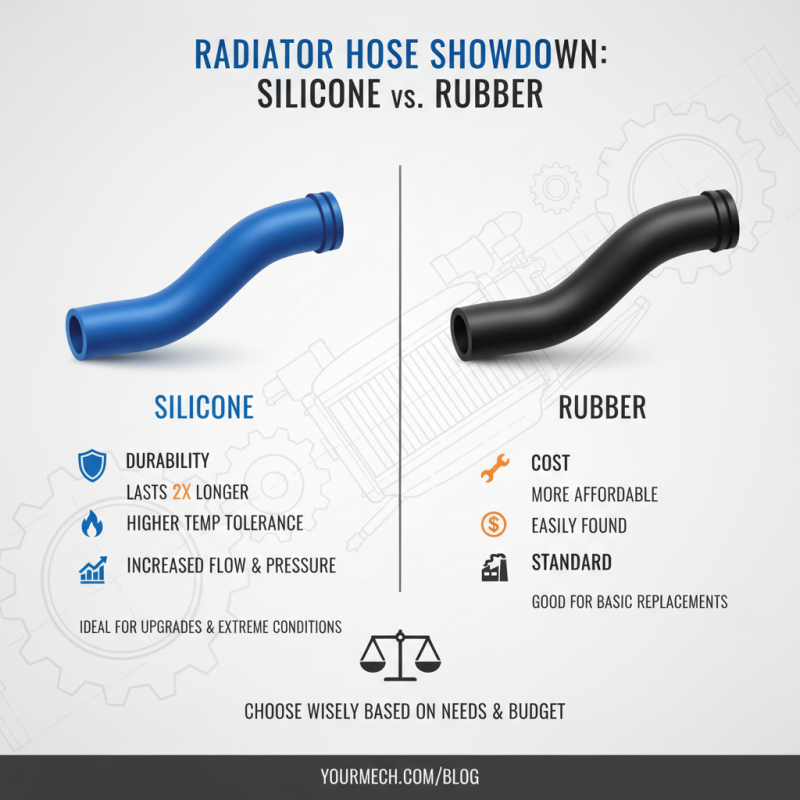
When selecting a silicone radiator hose kit, it’s crucial to understand the materials involved. Silicone is favored for its durability and flexibility. It can withstand higher temperatures than traditional rubber hoses. This property reduces the risk of failure during high-performance situations. However, not all silicone is created equal. Some lower-quality silicone may degrade faster than expected.
Pay attention to the thickness of the hoses. Thicker hoses offer better resistance against pressure and heat. They can handle the demands of high-performance engines. Yet, they can be less flexible. Some users find this challenging during installation. Make sure to check the specifications of the hose kit. A mismatch can lead to leaks or costly damage.
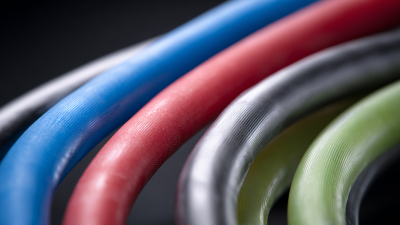
Color options also come into play. While a vibrant color can add style under the hood, it might not always indicate quality. It’s wise to prioritize material properties over aesthetics. You might find yourself overwhelmed by choices. Focus on what best suits your vehicle's needs. Don’t forget to read online reviews for more insight. Misleading marketing can sometimes sway your decision.
Factors to Consider When Selecting a Silicone Radiator Hose Kit
When selecting a silicone radiator hose kit, consider the material quality. High-grade silicone withstands extreme temperatures. It typically ranges from -60°C to 220°C. This durability is crucial for performance and longevity. Reports indicate that silicone hoses generally last longer than rubber ones. In fact, they can offer up to 50% more life under similar conditions.
Next, focus on the design. Look for hoses that feature multi-ply construction. This design enhances strength and flexibility. A study by the International Journal of Automotive Technology shows that multi-ply hoses resist bursts better than single-layer options. Additionally, a proper fit is essential. Hoses should match your vehicle’s specifications. Incorrect sizes can lead to leaks and overheating issues, which can be inconvenient and costly.
Lastly, evaluate the installation process. Some kits are easier to install than others. Instructions should be clear and straightforward. Complicated installations can deter users, leading to potential mistakes. A report from the Automotive Aftermarket Association highlights that DIY replacements often fail due to improper installation, leading to further issues. Always reflect on whether you're equipped for the task, or if a professional is necessary.
Identifying Compatibility: Ensuring the Right Fit for Your Vehicle’s Engine
When choosing a silicone radiator hose kit,
compatibility is crucial. Each vehicle has a specific engine layout.
A mismatched hose can lead to leaks or
overheating. Measure the diameter and
length of the current hoses. This will help in finding the correct fit.
Some hoses might seem similar, but even slight variations can cause problems.
Check your vehicle’s specifications. Review the engine model and year carefully.
Cross-reference those details with the hose kit information. Many kits come with
multiple sizes or shapes. This adds to the complexity. If you pick the wrong size,
you might not have the right performance. Test fitting before installation is a
wise decision.
The installation process may reveal issues. A hose that fits well may still cause
unexpected leaks. Proper alignment is
essential for optimal performance. Sometimes, the color or style might distract
from functionality. Don’t ignore practical aspects for aesthetics. A
well-fitting hose will serve better than a flashy option that
doesn’t fit.
Evaluating Heat and Pressure Ratings for Optimal Hose Performance
When selecting a silicone radiator hose kit, heat and pressure ratings are critical for performance. Higher temperatures can lead to hose degradation. Always check the temperature limits of the silicone material. Common ratings range from 200°F to over 400°F. If your vehicle operates in high-temperature environments, opt for hoses with higher heat resistance.
Pressure ratings tell you how much stress a hose can handle. Most silicone hoses manage pressures between 30 to 70 psi. This varies by design and thickness. It’s essential to match the hose’s pressure rating with your system’s demands. A mismatch can lead to rupture, causing leaks.
Tips: Always perform visual inspections regularly. Look for cracks or deformations. Even minor wear can indicate imminent failure. Ensure proper installation, as incorrect fittings can also affect performance. Testing under realistic conditions helps identify weaknesses. Don’t overlook the importance of proper sizing. A hose that is too small can lead to overheating or pressure spikes.