How to Choose the Right Silicon Radiator Hose for Your Vehicle?
Choosing the right Silicon Radiator Hose for your vehicle is critical for optimal engine performance. According to a recent report by the Automotive Parts Association, the demand for high-quality silicone hoses has surged by 25% over the past five years. This trend is driven by increased awareness of engine cooling efficiency and longevity.
Expert Tony Miller, a leading figure in automotive engineering, states, "The right Silicon Radiator Hose can drastically affect your vehicle's cooling system health." His insights highlight the importance of selecting silicone hoses that not only fit but also enhance durability and performance. The diverse range of silicone radiator hoses on the market might confuse potential buyers, as many come in various sizes, shapes, and grades.
It's crucial to consider factors such as temperature resistance, pressure ratings, and compatibility with various fluids. A mismatch here can lead to system failures or costly repairs. While some may prioritize cost, investing in the right Silicon Radiator Hose is an investment in your vehicle’s reliability. Remember, even a small oversight in hose selection can have major consequences.

Understanding the Importance of Silicon Radiator Hoses in Vehicles
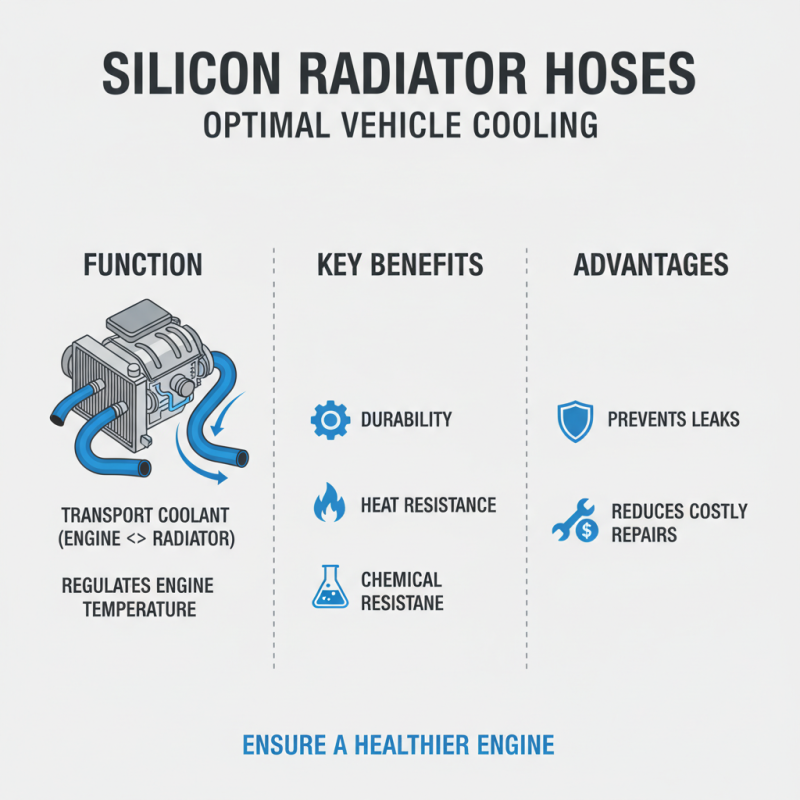
Silicon radiator hoses play a crucial role in ensuring your vehicle's cooling system functions effectively. These hoses transport coolant between the engine and the radiator, regulating engine temperatures. High-quality silicon hoses are particularly beneficial due to their exceptional durability and resistance to heat and chemicals. This longevity can prevent leaks and costly repairs.
Choosing the right silicon radiator hose requires attention to detail. Measure the diameter and length carefully for a proper fit. Consider the temperature ratings and pressure specifications of the hoses. Not all silicon hoses are alike; some may not withstand high temperatures as effectively as others. Quality and material matter significantly.
Tips: Always inspect for wear and tear. A visual check can save time and money. Pay attention to signs of cracks or bulges in the hoses. Replacing old hoses is a preventive measure that can improve your vehicle's efficiency. Regular maintenance is vital for optimal performance. Your vehicle's longevity may depend on it.
Factors to Consider When Choosing Silicon Radiator Hoses
When choosing the right silicone radiator hose for your vehicle, several factors are crucial. First, consider the temperature range of your engine.
Silicone hoses can handle high temperatures better than standard rubber hoses, which makes them ideal for performance vehicles. However, not all silicone hoses are created equal. Some might retain heat while others dissipate it effectively. This difference can affect the overall performance.
Next, evaluate the hose's flexibility and durability. A good silicone radiator hose should resist collapsing under high pressure. It should bend easily without cracking.
Pay attention to the thickness of silicone material as well. Thicker hoses may offer better durability but could be less flexible. You might need to balance these aspects based on your vehicle's requirements.
Another important detail is the fitting compatibility. Check the dimensions of the original hoses before selecting replacements. Some manufacturers might use non-standard sizes. Accurate measurements are essential to ensure a proper fit.
Installing a hose that doesn't fit well can lead to leaks and overheating issues. Remember, the right choice can mean better engine performance and longevity.
Comparing Different Types of Silicon Radiator Hoses Available
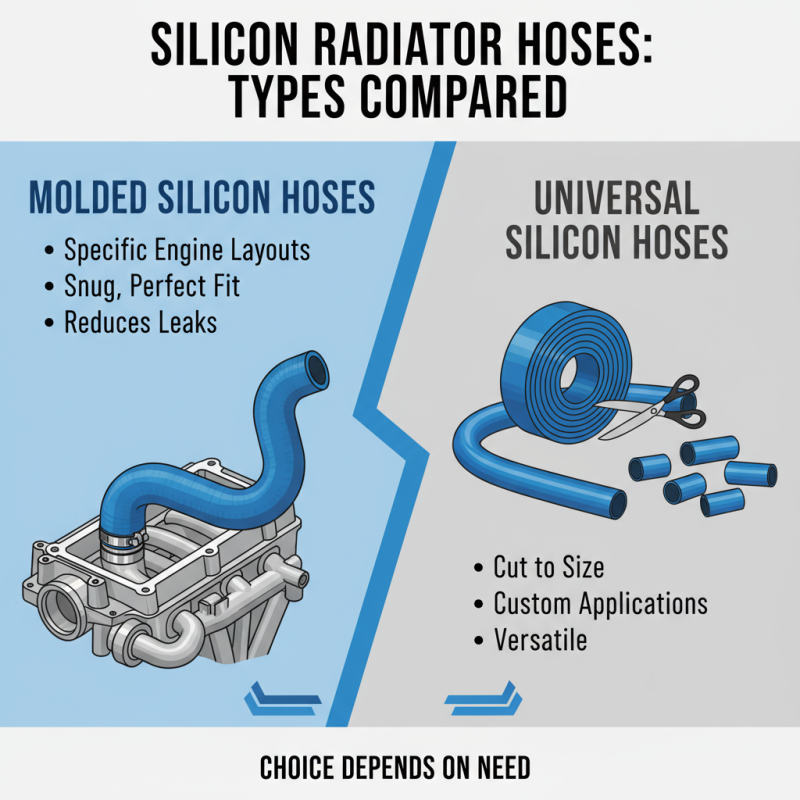
When choosing a silicon radiator hose, it’s essential to understand the different types available. There are molded hoses, which fit specific engine layouts perfectly. Then, there are universal hoses that can be cut to size. Molded hoses offer a snug fit, reducing the risk of leaks. Universal hoses are great for custom applications. Each type serves distinct purposes.
Tips: Check for compatibility with your vehicle model. Proper fitment prevents issues down the road.
Another factor is temperature resistance. Silicon hoses can withstand high heat, making them suitable for performance vehicles. They resist wear and tear better than rubber. This durability means less frequent replacements. However, some silicon hoses might not fit all setups seamlessly.
Tips: Inspect the hose dimensions. Measure your existing hoses for a more accurate choice.
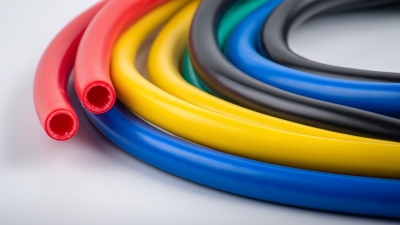
Lastly, consider color and aesthetics. Silicon hoses come in various colors, allowing customization. While this may seem trivial, a visually appealing engine bay can enhance your vehicle’s overall look. However, focus primarily on quality over aesthetics.
Tips: Don’t compromise on hose quality for appearance. A strong, reliable hose is a priority.
Installation Tips for Silicon Radiator Hoses in Your Vehicle
Installing silicon radiator hoses can greatly affect your vehicle's cooling efficiency. Proper installation is crucial. Begin by ensuring your engine is cool. This prevents burns and helps prevent damage to components. Use a flathead screwdriver to remove the old clamps. Take care to avoid scratching the radiator neck.
Before you start, inspect the new silicon hoses. They should be free of cracks and deformities. Studies from industry experts show that poorly installed hoses can lead to leaks and overheating, which can reduce engine life by up to 30%. Ensure a tight fit on both ends. A loose connection can lead to coolant loss. Use high-quality clamps to secure the hoses tightly.
During installation, double-check the hose routing. Misrouted hoses can create kinks, restricting coolant flow. This can raise temperatures and lead to engine failure. If you’re uncertain, consult a repair manual specific to your vehicle model. Even minor mistakes can lead to significant issues later. Always test the system for leaks after installation. Periodic checks after a few days of use can save you from larger issues down the line.
Maintenance Best Practices for Longevity of Silicon Radiator Hoses
Silicone radiator hoses are essential for effective cooling in vehicles. To ensure longevity, regular maintenance is key. Inspect your hoses for signs of wear and tear. Look for cracks or bulges that could lead to leaks. A damaged hose can cause significant engine issues.
Cleaning the hoses is crucial. Use a mild soap and water solution to remove grime and dirt. Avoid harsh chemicals that may degrade silicone. Ensuring a tight fit at the connection points is also important. Loose hoses can lead to coolant loss. Regularly check the clamps for tightness.
It's wise to replace your silicone hoses periodically, even if they appear fine. Over time, exposure to heat and pressure can compromise their integrity. Keeping spare hoses on hand could save you from roadside troubles. Don't overlook the importance of a reliable maintenance routine. Taking these steps can help maintain your vehicle's performance.
How to Choose the Right Silicon Radiator Hose for Your Vehicle? - Maintenance Best Practices for Longevity of Silicon Radiator Hoses
| Dimension |
Material Quality |
Temperature Resistance (°C) |
Durability (Years) |
Color Options |
| 1.5 inches |
High-grade silicone |
180 |
10 |
Black, Blue, Red |
| 2 inches |
Premium silicone |
190 |
8 |
Green, Black |
| 2.5 inches |
Standard silicone |
200 |
7 |
Black |
| 3 inches |
High-performance silicone |
220 |
12 |
Red, Blue |