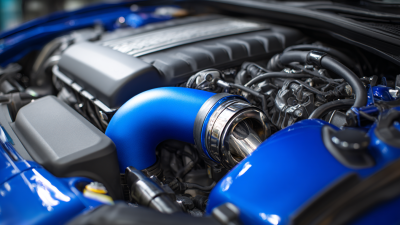
How to Choose the Best Truck Silicone Hose for Your Needs?
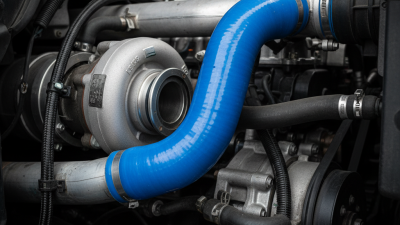
When selecting the right Truck Silicone Hose, careful consideration is essential. Industry expert John Miller states, “A quality silicone hose can significantly enhance your truck's performance.” In the world of automotive parts, silicone hoses offer durability and flexibility that traditional rubber hoses can’t match.
Hoses designed for trucks must withstand high pressures and extreme temperatures. The right hose can improve efficiency and extend your vehicle's lifespan. However, choosing the best Truck Silicone Hose can be challenging. There are various factors to consider, such as size, temperature ratings, and application requirements.
Not all silicone hoses are created equal. Some may offer subpar performance or durability. It’s crucial to research reputable manufacturers and seek expert advice. Poor choices could lead to overheating or leaks, compromising your truck's functionality. Properly evaluating your needs is vital to ensuring you make an informed decision.

Understanding the Purpose and Benefits of Truck Silicone Hoses
Truck silicone hoses play a crucial role in the efficient operation of heavy-duty vehicles. These hoses are designed to withstand extreme temperatures and pressures. They offer superior flexibility compared to traditional rubber hoses. This flexibility helps in maintaining optimal air and fluid flow in the engine. Over time, many users find that silicone hoses also resist wear and tear more effectively.
Choosing the right silicone hose involves understanding their unique advantages. They provide better resistance to oil and chemicals. This resistance is vital for maintaining performance. Many drivers notice an improvement in engine efficiency after switching to silicone. However, not all silicone hoses are created equal. You might find variations in wall thickness and durability.
Prospective buyers should consider the specific requirements of their trucks. It’s essential to think about application and environment. For example, high-performance engines may benefit from reinforced hoses. However, some may prefer standard options for regular use. Reflecting on your needs before making a choice can help avoid regrets later.
Identifying the Specific Requirements for Your Truck's Application
Choosing the right truck silicone hose hinges on understanding your specific application needs. Various factors affect this choice. For instance, temperature resistance is critical; a report by the Society of Automotive Engineers notes that silicone hoses can typically withstand temperatures ranging from -65°F to 500°F. This range makes them suitable for both heater and coolant systems in trucks.
Pressure ratings also play a vital role. A reliable data analysis indicates that most silicone hoses can handle pressures up to 30 psi or more, varying by design. If your truck operates in high-pressure environments, it is essential to select hoses designed for such conditions. Additionally, consider the size and shape of your truck's engine components. Many trucks have unique configurations, which can complicate fitting standard hoses. Not every silicone hose is compatible, so a careful examination of your truck's requirements is necessary.
In some cases, hoses may degrade more quickly than expected under harsh conditions. Factors like exposure to contaminants and excessive heat can compromise these hoses. It's crucial to inspect them regularly and replace them as needed to maintain optimal performance. Understanding these specific requirements not only ensures proper functionality but also enhances the longevity of your truck’s systems.
Evaluating Different Types of Silicone Hoses Available in the Market
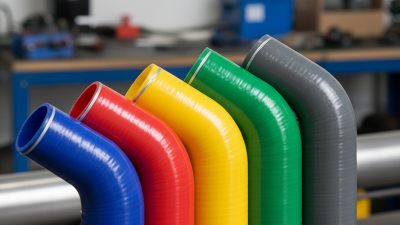
When selecting the right truck silicone hose, understanding the types available is crucial. Silicone hoses come in various forms, including straight, elbow, and reducer shapes. Each is tailored for specific applications. Research from the Automotive Silicone Hose Market Report indicates that the demand for high-performance silicone hoses is increasing significantly, growing at a compound annual growth rate of 8% from 2021 to 2026. This growth is attributed to their ability to withstand extreme temperatures and pressures, ideal for truck engines.
Consider the temperature range for your silicone hose. Most hoses operate effectively between -40°F and 500°F. However, the exact specification can vary. Quality materials are essential. Hoses made from reinforced silicone can endure more stress than standard options. Pay attention to the diameter as well, as improper sizing can lead to leaks or performance issues.
When choosing, think about the installation process. Some hoses are easier to fit than others. A poorly fitted hose can lead to complications, causing you to rethink your choice. Understand how the hose's flexibility affects installation and operation. Finding the right silicone hose is not just about performance; it requires a balance of temperature resistance, durability, and compatibility with your truck’s system. Ensure you do thorough research and consult with professionals when making your decision.
Choosing the Best Truck Silicone Hose: Types and Benefits
Key Factors to Consider When Choosing Silicone Hose Sizes and Lengths
Choosing the right silicone hose for your truck involves understanding sizes and lengths. These factors are crucial for a proper fit and optimal performance. When measuring hose length, it’s important to consider the layout of the engine or exhaust system. A hose that’s too short may lead to strain or disconnection, while an overly long hose can create unnecessary bends, impacting airflow.
Hose diameter also greatly affects performance. A hose that's too wide may reduce pressure, while a smaller diameter can restrict flow. Precise measurements can prevent common issues that arise from misfit hoses. Consider any bends or curves in your system, as these also require accurate sizing. Ideally, you should have detailed measurements before purchasing.
Assess your specific needs based on vehicle use. Not every application requires the same specifications. For example, high-performance setups might have different standards compared to standard models. Think about environmental factors too. Exposure to heat, oil, or chemicals may modify material needs. Materials with higher durability can make a significant difference in longevity and reliability.
Tips for Selecting High-Quality Silicone Hoses from Reliable Manufacturers
When selecting high-quality silicone hoses for trucks, the manufacturing source is crucial. Reliable manufacturers often comply with industry standards and regulations. According to a report from the Silicones Environmental, Health, and Safety Council, products that meet recognized certifications show enhanced durability and performance. Look for hoses that are manufactured under stringent quality control protocols. These products often undergo rigorous testing, ensuring they withstand high temperatures and pressure variations.
It's important to consider the specific requirements of your truck. Not all silicone hoses are created equal. A study by the Rubber Manufacturers Association indicates that different automotive applications require varying degrees of flexibility and heat resistance. Take note of the thickness and material composition. Thinner hoses may save weight but often compromise on durability. Engage with manufacturers to inquire about their testing processes and quality assurance measures.
Customer reviews and feedback can offer valuable insight. However, not all reviews are trustworthy; some may be biased or fabricated. It's essential to look for independent third-party evaluations as a supplement to customer testimonials. This research can help steer you toward a trustworthy supplier with a solid track record. Reliability is key—after all, your truck's performance may hinge on the quality of the silicone hose.
How to Choose the Best Truck Silicone Hose for Your Needs?
| Feature |
Description |
Importance |
| Material Quality |
High-grade silicone should be resistant to heat, wear, and chemicals. |
Ensures durability and reliability during operation. |
| Temperature Range |
Check the hose's ability to withstand extreme temperatures. |
Crucial for engines that operate under varying temperatures. |
| Pressure Rating |
Must meet or exceed the vehicle’s operational pressure needs. |
Prevents hose failure under high-pressure conditions. |
| Size and Fit |
Correct diameter and length for ease of installation. |
Ensures optimal fluid flow and minimizes leaks. |
| Flexibility |
The hose should be flexible enough to fit into tight spaces. |
Eases installation and reduces risk of cracks. |
| Warranty |
A reliable warranty can indicate quality and manufacturer confidence. |
Provides peace of mind and assurance of quality. |