How to Choose the Right Rubber Exhaust Hose for Your Needs?
Choosing the right Rubber Exhaust Hose is essential for efficiency and safety in various applications. According to industry expert John Smith, “Not all hoses are created equal; selecting the right one can make all the difference.” This statement highlights the importance of careful consideration when purchasing a Rubber Exhaust Hose.
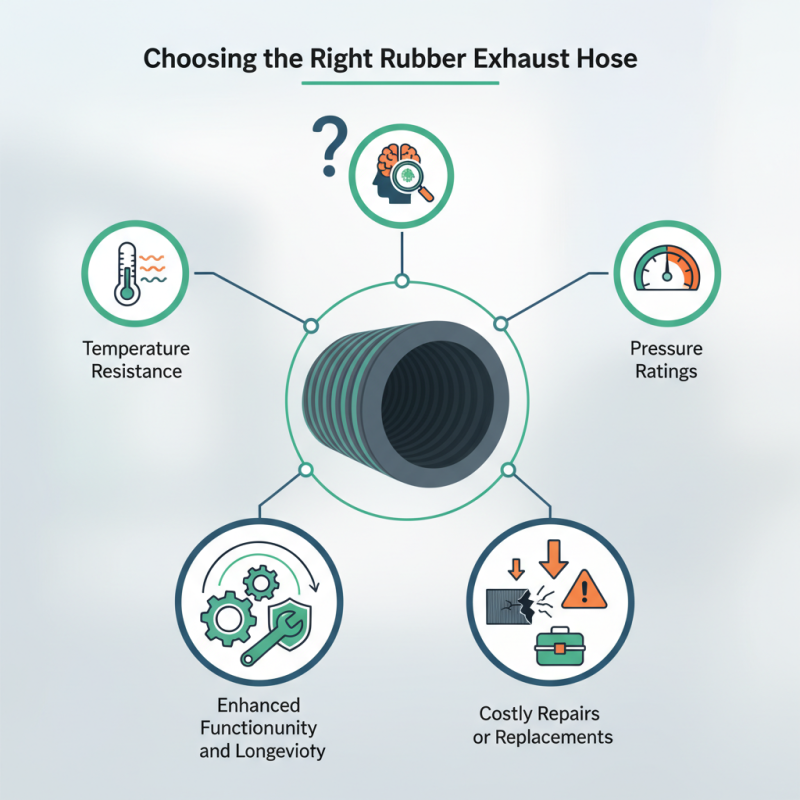
Understanding the specific requirements of your project is vital. A Rubber Exhaust Hose that works for one application may not be suitable for another. Consider factors like temperature resistance, flexibility, and pressure ratings. Each of these characteristics plays a crucial role in ensuring optimal performance.
Investing time in researching options is necessary. Inadequate knowledge can lead to poor choices. Some may overlook the importance of proper fittings and compatibility with existing equipment. A well-chosen Rubber Exhaust Hose can enhance functionality and longevity, while the wrong choice may lead to costly repairs or replacements. Reflecting on these aspects can help you make a more informed decision.
What to Consider When Choosing a Rubber Exhaust Hose
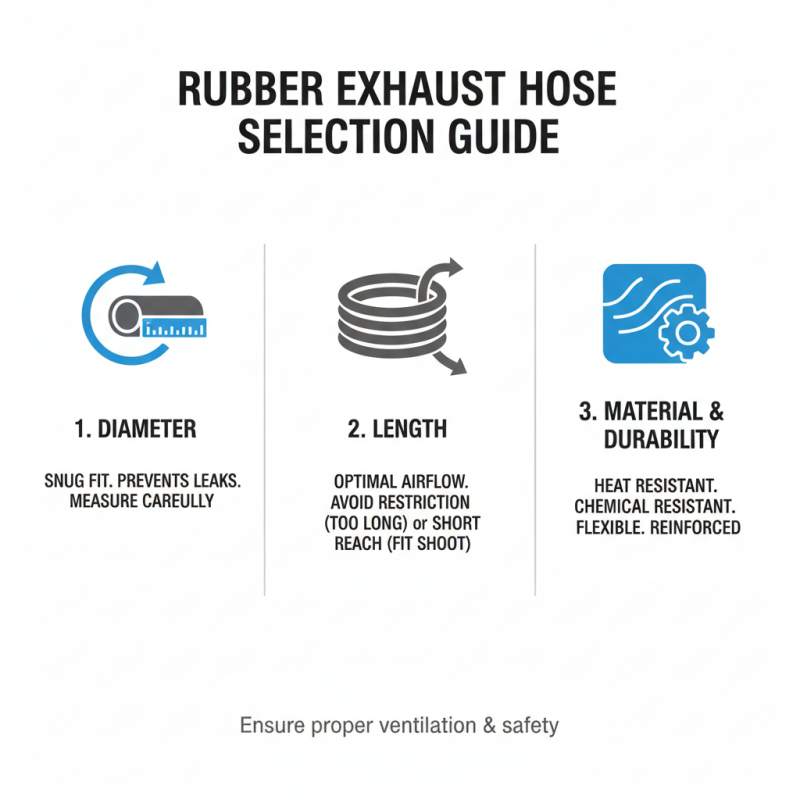
Choosing the right rubber exhaust hose requires careful consideration of several factors. Start with the diameter and length. An appropriate diameter ensures a snug fit to prevent leaks. A hose that's too long can restrict airflow, while one that is too short might not reach the exhaust outlet effectively. Measure your requirements accurately.
Next, consider the temperature and pressure ratings. Rubber hoses can handle different environments. Ensure the hose can withstand the operating conditions of your vehicle or machinery. Some hoses can't support high temperatures over extended periods. This can lead to degradation or failure.
Don't overlook the material quality. Look for hoses that offer durability against wear and tear. In some cases, a lower quality hose may save money but lead to higher costs in replacements and repairs. Check for certifications and reviews to gauge reliability. It’s essential to invest in a hose that promises longevity rather than constantly replacing it due to inferior quality.
Understanding the Different Types of Rubber Exhaust Hoses Available
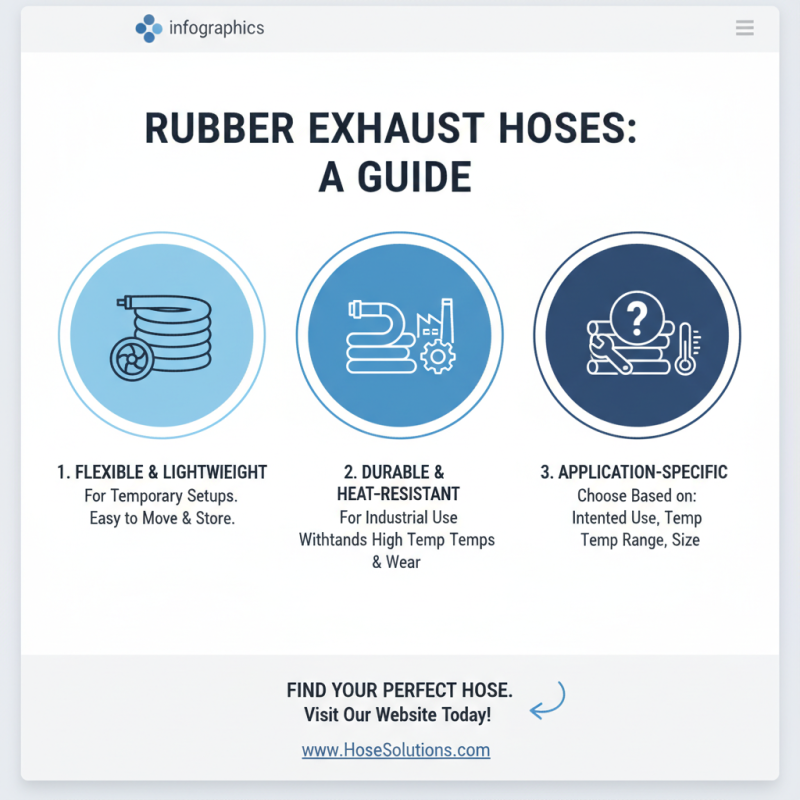
When it comes to rubber exhaust hoses, understanding the different types available is crucial. There are various designs tailored for specific applications. Some hoses are lightweight and flexible, making them ideal for temporary setups. Others offer more durability and heat resistance, suitable for industrial use. Knowing the intended use helps narrow down options effectively.
Different materials impact performance. Some hoses feature reinforced layers for added strength. Others focus on chemical resistance, vital for certain environments. The inner diameter of the hose also varies, which can affect airflow. It's not just about finding the right size; the hose must also withstand the specific conditions of your workspace.
Choosing a hose can feel overwhelming. Many people overlook the importance of temperature ratings. A hose that works well in one situation may fail in another. Think about the installation process as well. Some hoses may require clamps or additional fittings that complicate setup. Take the time to evaluate these factors. It can save you headaches in the long run.
Key Factors Influencing Rubber Exhaust Hose Performance and Durability
When selecting a rubber exhaust hose, performance and durability hinge on several key factors. Material composition plays a crucial role. According to industry reports, hoses made from high-quality rubber blends can withstand extreme temperatures and resist corrosion. For instance, reinforced rubber can endure temperatures up to 250°F while maintaining flexibility.
Another critical factor is the hose diameter. Proper sizing ensures optimal gas flow and minimizes back pressure. A mismatch here can lead to reduced engine efficiency. Studies indicate that using a hose that is too small can result in a 15% drop in performance. This is significant for both safety and engine longevity.
Finally, proper installation affects overall durability. Ensuring secure connections and avoiding sharp bends can enhance the hose's lifespan. However, it's easy to overlook these details, leading to premature wear. Regular maintenance and inspection can help identify wear signs before they escalate. Choosing the right rubber exhaust hose involves careful consideration of these factors, underscoring the importance of informed decision-making in industrial applications.
How to Choose the Right Rubber Exhaust Hose for Your Needs?
| Key Factor |
Description |
Impact on Performance |
Durability Rating (1-10) |
| Material Quality |
The type of rubber used affects heat resistance and flexibility. |
Higher quality materials improve performance and lifespan. |
8 |
| Diameter |
Correct diameter ensures proper exhaust flow and pressure. |
Improper sizing can lead to backpressure and performance loss. |
7 |
| Temperature Rating |
The maximum temperature the hose can withstand without damage. |
Higher ratings extend usage in extreme conditions. |
9 |
| Flexibility |
How easily the hose can bend without kinking or breaking. |
Improved flexibility aids in installation and handling. |
8 |
| Chemical Resistance |
The ability of the hose to withstand various chemicals present in exhaust. |
Improved resistance prevents degradation and leaks. |
7 |
Common Applications for Rubber Exhaust Hoses in Various Industries
Rubber exhaust hoses are vital in various industries, from automotive to marine. Their flexibility and durability allow them to handle a range of temperatures and pressures. According to industry reports, the global market for rubber hoses is projected to reach $14.3 billion by 2027. This reflects growing demand in sectors like construction and manufacturing.
In automotive applications, these hoses are essential for directing exhaust gases safely away from engine compartments. A well-fitted exhaust hose can improve engine efficiency and reduce heat buildup. In marine settings, rubber hoses prevent toxic fumes from accumulating in confined spaces, ensuring operator safety in vessels. Their lightweight nature eases installation and handling for service personnel.
Tip: Always consider the operating environment when choosing a hose. High-temperature, high-pressure scenarios require specialized materials.
Hoses also find use in industrial machinery, where they connect exhaust systems to ventilation ducts. This helps in managing air quality in workplaces. A report from the Occupational Safety and Health Administration (OSHA) highlights that improper exhaust management can lead to hazardous working conditions.
Tip: Regular maintenance checks can extend the life of rubber hoses. Look for signs of wear or cracks.
Selecting the right rubber exhaust hose is crucial. Poor choices can lead to operational inefficiencies. Always refer to manufacturer specifications and best practice guidelines for safe use.
Industry Standards and Regulations for Rubber Exhaust Hose Selection
When selecting a rubber exhaust hose, understanding the industry standards and regulations is essential. These guidelines ensure the hose's compatibility with various applications, including automotive and marine uses. Different industries have unique requirements, which can affect the material, size, and flexibility of the hose. It's crucial to review standards set by organizations like ASTM and SAE. They provide specifications that determine performance and safety criteria.
Additionally, hoses must meet environmental regulations. For instance, certain certifications may be required to prevent harmful emissions. These regulations vary by region and application, making it important for users to research local laws. Failing to do so can lead to non-compliance and associated penalties.
On top of that, it may be helpful to consult experts in the field. Engaging with professionals can provide insights into the specific needs for your application. They might point out aspects you may overlook, such as temperature resistance and chemical compatibility. It's not always straightforward, and many users may have had past mistakes that highlighted these complexities. Detailed understanding enhances reliability and safety in using rubber exhaust hoses.