Inquiry
Form loading...

How to Choose a Water Suction Rubber Hose in 2026?

Choosing a Water Suction Rubber Hose in 2026 requires more than comparing prices and internal diameters. The correct hose must match the water source, pump capacity, operating temperature, and working environment. A hose used beside a construction site may face mud, stones, and sharp edges. A hose serving agriculture may need flexible handling during long irrigation cycles. Small differences matter.

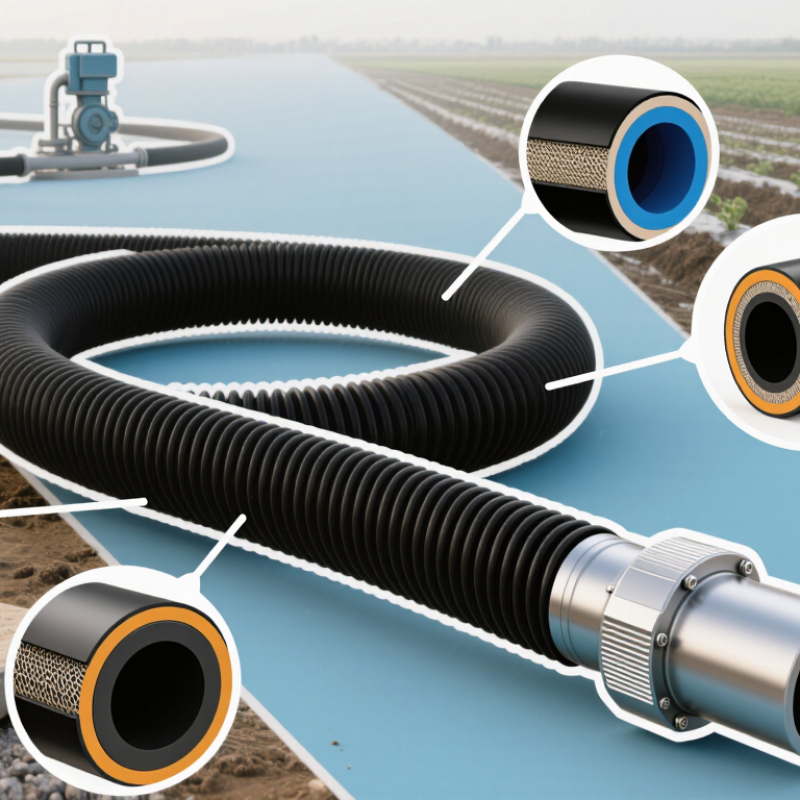
Practical selection begins with the hose structure. Check the rubber compound, reinforcement layers, suction rating, and minimum bend radius. EPDM can suit many water applications and outdoor conditions, while other compounds may perform better around oils or demanding chemicals. Confirm the temperature range before installation. Also inspect the coupling method. A strong hose can still fail when clamps are loose, fittings are poorly aligned, or air enters through a damaged gasket.

Quality records provide useful evidence. Look for pressure and vacuum ratings, batch identification, dimensional tolerances, and testing information from a reputable manufacturer. Standards and certificates should match the intended application, not merely decorate a product page. That distinction is often missed. Price remains important, but replacement labor, pump downtime, and water loss can cost more than the original hose.

Real-world testing should include a visual inspection after delivery and a controlled trial under normal flow. Do not ignore surface cracking.

The perfect choice may not exist. A hose optimized for flexibility may sacrifice abrasion resistance. A heavily reinforced hose may feel difficult to move. Careful comparison, honest application data, and periodic inspection create the most reliable decision for 2026.
How to Choose a Water Suction Rubber Hose in 2026?

Define Water Suction Hose Types Under ISO 4641 and Their Applications

Choosing a water suction rubber hose in 2026

starts with understanding ISO 4641 classifications. The standard covers rubber hoses designed for water suction and discharge, including construction, dimensions, pressure performance, and testing. Its type designations help separate hose duties and pressure capabilities. A lower-duty type may suit drainage, irrigation, or temporary water transfer. Higher-duty types are more appropriate for pumps, construction sites, and continuous suction service. Always verify the stated type, working pressure, vacuum resistance, and temperature range on technical documents.

Application matters more than appearance.

A hose may look strong but collapse under suction if its reinforcement is unsuitable. Check the pump inlet size, required flow rate, bend radius, and connection method before ordering.

In field use, I inspect the inner cover for cuts, soft spots, and embedded grit. Small damage can become a serious leak. Keep the hose supported and avoid sharp bends near couplings. Do not confuse discharge-only hose with suction hose. They are not automatically interchangeable.

There is one practical weakness in many selections:

users often focus on pressure and ignore vacuum performance. That mistake deserves review. ISO 4641 compliance should be supported by test evidence, batch information, and clear manufacturer instructions. If the duty is uncertain, choose based on the actual pump vacuum, water temperature, exposure, and operating frequency. Conservative selection usually costs less than replacing a collapsed hose.
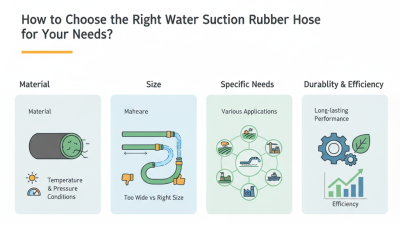
Match Hose Diameter to Flow Rate, Using the 0.6–3.0 m/s Velocity Range

How to Choose a Water Suction Rubber Hose in 2026?

Match Hose Diameter to Flow Rate, Using the 0.6–3.0 m/s Velocity Range

Choosing a suction hose starts with flow rate, not guesswork. Water velocity should usually remain between 0.6 and 3.0 m/s. Lower speeds may require an unnecessarily large hose. Higher speeds can increase friction, noise, and pump stress. Use the formula D = √(4Q ÷ πV), where Q is flow in cubic meters per second and V is velocity. For 100 liters per minute at 1.5 m/s, the calculated inside diameter is about 38 mm.

Measure the actual inner diameter. A fitting or coupling can reduce the passage significantly. I have seen pumps underperform because a suitable hose was paired with a restrictive connector. Suction lines also need enough vacuum resistance, especially when lifting water several meters. Keep the route short and avoid sharp bends. In practice, the calculated size is only a starting point. Real installations include elbows, filters, temperature changes, and imperfect measurements.

Tips: Check the pump’s rated flow and suction limit before ordering. Select a reinforced rubber hose with a smooth inner wall. Recalculate when flow changes. Do not assume a larger diameter always improves performance; excessive size can add cost and handling problems. Test the assembled line under normal operating conditions, because field results may differ from the calculation.

How to Choose a Water Suction Rubber Hose in 2026?

Match Hose Diameter to Flow Rate Using the 0.6–3.0 m/s Velocity Range

The chart shows theoretical water flow rates for common hose inside diameters at water velocities of 0.6, 1.5, and 3.0 m/s. Values are calculated using Q = v × πD²/4 and are expressed in liters per minute. Actual suction performance may vary with hose length, fittings, pressure loss, temperature, and hose condition.

Check Working Pressure, Vacuum Rating, and a 3:1 Safety Factor

Choosing a water suction rubber hose in 2026 requires more than matching its diameter. Check the maximum working pressure first. This value must exceed the pump’s normal operating pressure, including start-up surges. A hose rated at 150 psi may fail if the system briefly reaches 170 psi. Measure the real pressure, not an optimistic estimate.

Vacuum rating is equally important during suction. When a pump pulls water, negative pressure can flatten a weak hose like a crushed paper tube. Look for a clear vacuum rating, such as full vacuum or a specified percentage. Also check temperature, bend radius, and hose length. A long hose with a tight bend may collapse sooner than laboratory data suggests. Keep fittings properly sized and inspect the hose for soft spots, cuts, or exposed reinforcement.

Use a 3:1 safety factor as a practical baseline. The hose’s burst pressure should be at least three times its maximum working pressure. For example, a 150 psi working rating should have a minimum 450 psi burst rating. This margin helps absorb pressure spikes, aging, and handling damage. It is not a guarantee. Abrasion, heat, chemical exposure, and poor couplings can reduce safety quickly. A careful selection records pressure, vacuum, temperature, and site conditions before purchase. Some field assumptions will be wrong. Recheck them.

Select Rubber Construction for Temperature Ranges of −40°C to 100°C

Choosing a water suction rubber hose in 2026 starts with its temperature envelope, not its color or advertised size. For service from −40°C to 100°C, select a rubber compound tested for both extremes. EPDM commonly suits hot water because it resists heat and moisture. Natural rubber can offer excellent flexibility, but its low-temperature and heat-aging limits vary by formulation. Do not assume one material fits every site.

A label showing −40°C to 100°C may describe peak limits, not continuous operation. At −40°C, rubber stiffens, reducing bend flexibility and increasing suction-collapse risk. At 100°C, hot water accelerates aging, especially near couplings and sharp bends. ISO 1307:2006 defines hose dimensions and tolerances, while ASTM D380 provides recognized rubber-hose test practices. These documents support verification, but neither replaces the manufacturer’s temperature, vacuum, and pressure ratings.

Check the inner tube, reinforcement, cover, and end connections as one system. A hose may tolerate 100°C water while its cover fails under outdoor ozone exposure. For suction work, confirm vacuum resistance at the lowest operating temperature. Leave a generous bend radius. Small details matter. In field selection, I would request test evidence for continuous service, not only a maximum number printed on a datasheet. That extra check can reveal an unsuitable compound before the hose becomes rigid, cracked, or difficult to drain.

How to Choose a Water Suction Rubber Hose in 2026? — Select Rubber Construction for Temperature Ranges of −40°C to 100°C
Rubber Construction Typical Continuous Temperature Range Water Compatibility Key Advantages Main Limitations Best-Fit Water Suction Applications Suitability for −40°C to 100°C
EPDM Rubber Approximately −40°C to +120°C Excellent for fresh water, hot water, and many dilute water-based solutions Wide temperature capability; strong resistance to ozone, weathering, and aging; good flexibility at low temperatures Poor resistance to petroleum oils, fuels, and many hydrocarbon-based fluids Agricultural irrigation, drainage, construction dewatering, industrial water transfer, and hot-water service Excellent
NBR Rubber Approximately −30°C to +100°C Good for water; suitable when the hose may also contact oils or fuels Good oil and fuel resistance; strong abrasion resistance; suitable for demanding industrial environments Lower low-temperature flexibility than EPDM; weaker resistance to ozone and outdoor weathering unless specially compounded Industrial water transfer, fuel-contaminated work areas, wastewater handling, and mixed-fluid service Conditional
SBR Rubber Approximately −30°C to +80°C Good for general-purpose water service Good abrasion resistance; economical; suitable for routine suction and discharge duties Limited resistance to oils and solvents; temperature capability generally does not reach 100°C continuously General irrigation, water trucks, ponds, drainage, and low-to-moderate temperature transfer Not Recommended
Natural Rubber Approximately −40°C to +80°C Good for clean and general-purpose water Excellent flexibility; high elasticity; good resistance to repeated bending and mechanical fatigue Poor resistance to oils, ozone, sunlight, and elevated temperatures near 100°C Flexible water suction lines, portable pumps, and applications requiring frequent handling Not Recommended
CR Rubber Approximately −35°C to +100°C Good for water and selected chemical-water mixtures Good weathering, ozone, flame, and moderate oil resistance; balanced performance in outdoor service Usually more expensive than SBR; low-temperature capability may not reach −40°C without a specialized formulation Outdoor industrial water transfer, marine environments, and applications needing weather and ozone resistance Conditional
Recommended Selection −40°C to +100°C target range Fresh water, hot water, and water-based fluids without petroleum contamination EPDM cover and tube construction offers the most practical balance of low-temperature flexibility, hot-water resistance, ozone resistance, and outdoor durability Not suitable where regular contact with petroleum oils or fuels is expected Most general water suction and discharge systems operating across a broad outdoor temperature range Preferred: EPDM
Selection note: Temperature ranges shown are typical continuous-service values for rubber compounds and may vary with formulation, reinforcement, hose diameter, pressure, vacuum, fluid composition, and exposure time. Confirm the final hose specification against the applicable manufacturer data sheet and operating conditions.

Verify Standards, Couplings, Bend Radius, and ISO 1307 Size Tolerances

Choosing a water suction rubber hose in 2026 requires more than checking its advertised diameter. Verify the applicable safety and performance standards first. The hose should match the water temperature, suction pressure, and operating environment. A hose used beside a muddy reservoir needs stronger abrasion resistance than one used indoors. Ask for current test records, material information, and traceable production data. Claims without documents deserve caution.

Couplings must fit tightly without crushing the hose wall. Measure the actual hose inside diameter, then confirm the coupling’s sealing method and clamp range. I once saw a correctly sized hose leak because its coupling had a shallow insertion length. Small details matter. Check the bend radius under working conditions, not only when the hose is empty. A tight bend near a pump inlet can restrict flow and create damaging vacuum stress.

ISO 1307 provides useful guidance for hose dimensions and size tolerances, but the specified tolerance still needs checking. A nominal 50 millimetre hose may not measure exactly 50 millimetres. Measure several points with calipers, especially after storage or transport. Review the manufacturer’s tolerance table before ordering couplings. Field inspection should include cracks, soft spots, exposed reinforcement, and flattened sections. My own selection process still improves after failures; a pressure test before installation would have prevented one avoidable replacement.