10 Essential Tips for Choosing the Right Silicon Radiator Hose
Choosing the right Silicon Radiator Hose is crucial for vehicle performance and longevity. According to industry reports, the right hose can enhance cooling efficiency by up to 30%. That’s why understanding key selection criteria is essential. Poor choices can lead to overheating and costly repairs.
Silicon hoses offer superior heat resistance compared to traditional rubber. They can withstand temperatures ranging from -60°C to 180°C. This makes them ideal for high-performance vehicles. Additionally, they provide better flexibility and durability, reducing the risk of leaks. However, it’s vital to recognize that not all silicon hoses are created equal and some may not meet OEM specifications.
Selecting the correct Silicon Radiator Hose requires attention to detail. Factors like size, fit, and material composition must be considered. Many users overlook these aspects and face issues later. This guide aims to equip you with essential insights. By following these tips, you can make an informed decision that boosts your vehicle’s efficiency and reliability.
Understanding Silicon Radiator Hoses: Key Features and Benefits
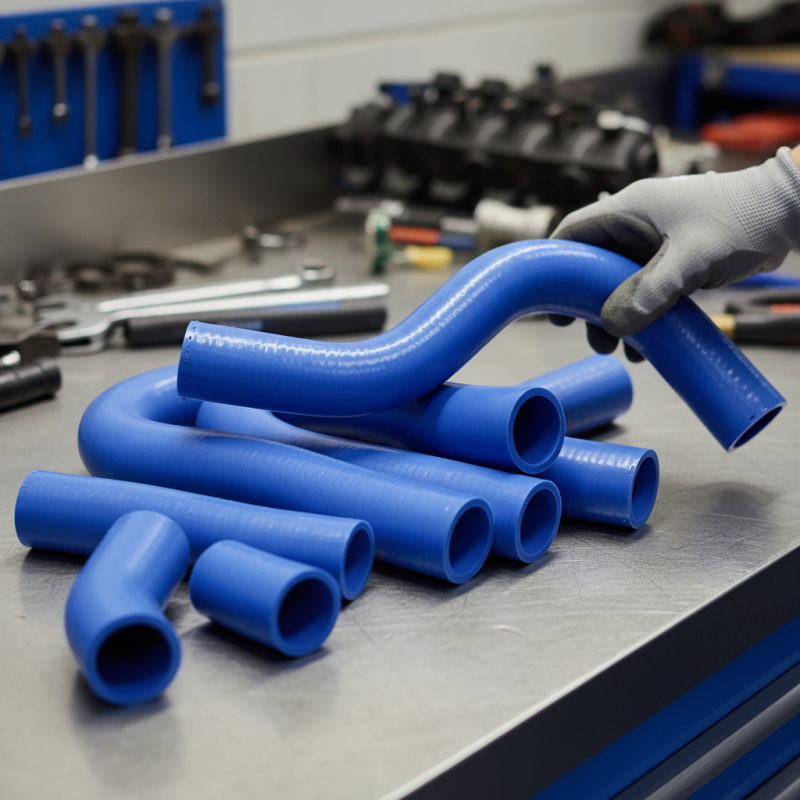
When choosing silicon radiator hoses, understanding their key features and benefits is crucial. Silicon hoses are known for their high flexibility and resistance to extreme temperatures. These properties help maintain effective coolant flow in various environmental conditions. Additionally, silicon hoses can withstand higher pressures than conventional rubber hoses, making them reliable for performance-driven vehicles.
Before making a decision, consider the hose's temperature tolerance. Different applications may require varying tolerances. This crucial feature determines how long the hose will last under specific conditions. Additionally, assess the hose's construction quality. A well-manufactured silicon hose will feature multiple layers, enhancing durability and performance.
One tip is to check for compatibility with your vehicle's make and model. Not all hoses fit all vehicles. It is essential to ensure that your choice will fit correctly to avoid leaks. Look for hoses that come with warranty options, reflecting the manufacturer’s confidence in their product. This assurance can guide your decision and reflect the reliability of your purchase.
Identifying the Right Size and Fit for Your Vehicle's Radiator System
Choosing the right size and fit for your vehicle's radiator system can be complex. One critical aspect is measuring the existing hose. Use a caliper or measuring tape. Accurate measurements ensure a proper fit. Many people underestimate this step. Even a small error can lead to leaks and overheating.
Consider the diameter of the hose and the length needed. Each vehicle has specific requirements. Consult your vehicle's manual for guidelines. If your measurement is close, it might still be incorrect. Ensure that you inspect the connections as well. Old, worn-out fittings can compromise a new hose.
It’s essential to think about the material. Silicone hoses are durable and resist high temperatures. However, not all silicone hoses are created equal. Some may not fit perfectly, even if the size seems right. Take time to double-check everything. Your vehicle’s performance relies heavily on this component. A good fit eliminates the risk of future issues.
10 Essential Tips for Choosing the Right Silicon Radiator Hose
| Tip Number |
Tip |
Size Considerations |
Material Quality |
Fit Type |
| 1 |
Measure the Existing Hose |
Length and Diameter |
High Temperature Resistance |
Direct Fit |
| 2 |
Check Connector Types |
Inlet/Outlet Sizes |
Durability |
Universal |
| 3 |
Consider Temperature Ratings |
Operating Conditions |
Silicone vs. Rubber |
Custom Fit |
| 4 |
Check for Reinforcement |
Thickness |
Strength against Pressure |
Flexible |
| 5 |
Choose the Right Color |
Aesthetic Preference |
UV Resistance |
Variety of Colors |
| 6 |
Read Reviews |
Real-world Performance |
Consumer Ratings |
Feedback from Mechanics |
| 7 |
Consider Installation Ease |
Installation Complexity |
Ease of Replacement |
DIY-friendly |
| 8 |
Consult a Mechanic |
Professional Advice |
Expert Recommendations |
Professional Installations |
| 9 |
Verify Warranty Options |
Warranty Period |
Manufacturer Support |
Long-term Protection |
| 10 |
Price Comparison |
Budget Considerations |
Value for Money |
Cost vs Quality |
Evaluating Temperature and Pressure Ratings for Optimal Performance
When choosing a silicon radiator hose, evaluating temperature and pressure ratings is crucial for ensuring optimal performance. Silicon hoses handle heat effectively and can operate in temperatures ranging from -40°C to 200°C. Proper selection of a hose that can withstand the specific temperature conditions of your vehicle is essential.
Equally important is the pressure rating. Many hoses are rated from 100 to 300 psi. Ensure the hose you select meets or exceeds the required pressure specifications of your cooling system. Failure to do this may lead to leaks or system failures.
Tip: Always check for compliance with industry standards. Some reports indicate that hoses meeting SAE specifications offer better performance reliability. Another tip is to consider the application of the hose. Different applications may expose hoses to varying stress and environmental conditions. Understanding these factors helps in making the right choice.
Make sure you examine installation requirements as well. Hoses must fit securely without undue stress on joints. An improperly fitted hose could lead to performance issues or early failure. Ultimately, thoughtful selection considering temperature and pressure ratings strengthens the integrity of your vehicle's cooling system.
Exploring Different Silicon Hose Types and Their Applications
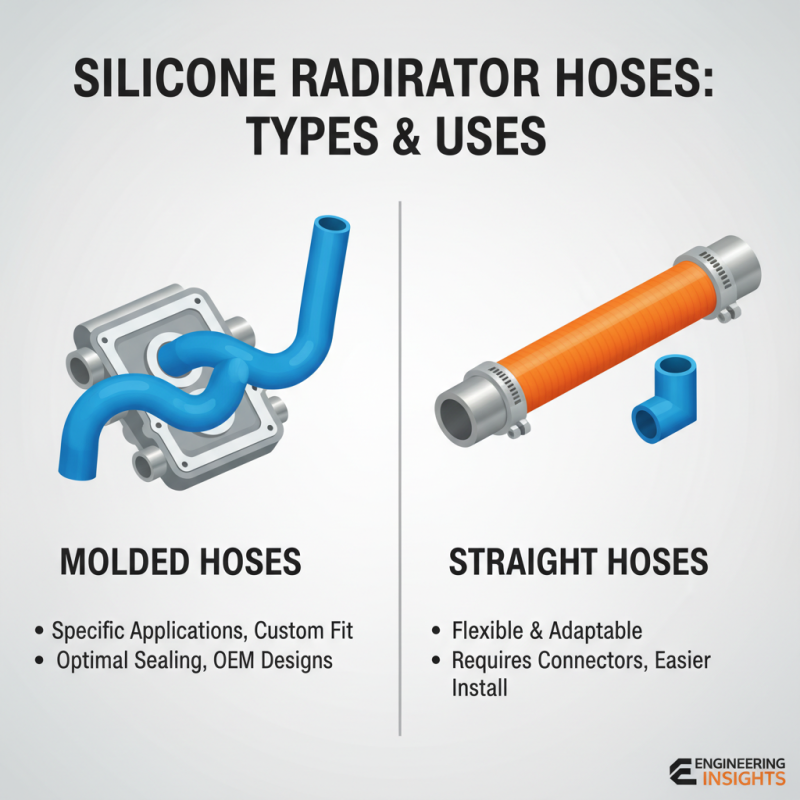
When exploring silicon radiator hoses, understanding their types is crucial. There are molded and straight hoses, each serving distinct purposes. Molded hoses fit specific applications, ensuring optimal sealing. They conform to the design requirements of various engines. Straight hoses grant flexibility, making installation easier. However, they may require additional connectors for proper fitting.
Data from industry reports indicate that using silicon hoses can enhance cooling efficiency by up to 10%. This is significant for performance vehicles where temperature control is vital. The resilience of silicon compared to rubber also stands out. Silicon hoses can endure extreme temperatures, typically ranging from -50 to 200 degrees Celsius. This feature is crucial in high-performance scenarios.
In terms of applications, understanding the environment and demands is essential. For heavy-duty vehicles, higher grade silicon hoses withstand harsher conditions. Over time, what seemed like a perfect fit may not perform well under stress. Users should regularly assess their hose conditions to mitigate potential issues. This vigilance can prevent costly breakdowns in critical situations.
Tips for Proper Installation and Maintenance of Silicon Radiator Hoses
When installing silicone radiator hoses, proper preparation is key. Ensure that the engine is cool to avoid burns. A Research and Markets report highlights that improper installation can lead to significant radiator failures, resulting in engine overheating. It's crucial to inspect the existing clamps and fittings for wear. Old clamps may not secure the hose tightly, causing leaks.
While using silicone hoses can provide better temperature resistance, maintenance is still essential. Regularly check for signs of wear, such as cracks or swelling. The American Society of Mechanical Engineers emphasizes that routine inspections can extend the lifespan of these hoses by up to 30%. Keep the hoses clean from debris to ensure optimal flow, and avoid exposing them to extreme chemicals that can degrade the material.
Adopting best practices during installation and maintenance can save you costly repairs and downtime. Incorrect handling may seem trivial, yet it can lead to severe consequences. Many professionals stress the importance of following manufacturer guidelines for installation torque and securing clamps evenly. Ultimately, attention to detail during these processes can enhance performance and reliability.
10 Essential Tips for Choosing the Right Silicon Radiator Hose
This bar chart illustrates the importance level of various factors to consider when choosing a silicon radiator hose, rated on a scale from 1 to 10. Material quality and temperature resistance are the most critical factors, ensuring safe and efficient vehicle operation.