How to Evaluate Rubber Hose Heat Resistance Effectively?
Evaluating Rubber Hose Heat Resistance is crucial for various applications. The performance of rubber hoses can determine safety and efficiency in industrial settings. Understanding the heat resistance of these hoses helps prevent failures and accidents.
Several factors influence Rubber Hose Heat Resistance. Temperature extremes can cause materials to degrade over time. Assessing the right temperature rating for your project is essential. However, evaluation methods can be inconsistent, leaving room for error.
Testing methods might seem straightforward, yet they often require careful observation. A simple heat test can reveal weaknesses. Often, the results might not be as expected, highlighting the need for thorough analysis. Regular evaluations ensure reliability and performance, but they can be overlooked. Attention to detail is critical in this evaluation process.
Understanding Rubber Hose Composition and Heat Resistance
When evaluating the heat resistance of rubber hoses, understanding their composition is crucial. The materials used in rubber hoses directly impact their thermal stability. Common compounds include EPDM, NBR, and silicone. Each has unique properties that dictate how they respond to heat. EPDM is known for its excellent heat resistance but can degrade under certain conditions. NBR offers good resistance but may not withstand extreme temperatures.
It’s important to note that not all rubber hoses are created equal. Some may perform well in high temperatures but fail in other key areas. For instance, a hose that resists heat might still deteriorate in the presence of certain chemicals. Regular testing is necessary to ensure performance remains consistent. Visual inspections can help identify signs of wear or damage over time.
Heat resistance can also be affected by the thickness of the hose. A thicker hose might provide better insulation but could be less flexible. Users often overlook this balance, which can lead to mismatches in application. It's vital to evaluate the specific needs of each use case. This awareness helps in selecting the most suitable hose for your requirements.
Key Factors Affecting Heat Resistance in Rubber Hoses
When evaluating the heat resistance of rubber hoses, several key factors play a crucial role. One significant factor is the type of rubber used. For instance, natural rubber typically has lower heat resistance compared to synthetic options. According to a recent industry report, synthetic rubber can withstand temperatures up to 200°C, while natural rubber can fail at just 80°C. This difference can greatly affect the longevity and performance of hoses in high-temperature applications.
Moreover, the manufacturing process contributes to heat resistance. Factors such as curing agents and additives influence how well the rubber can handle thermal stress. A study indicated that advanced formulations can enhance heat resistance by up to 30%. However, not all manufacturers are transparent about their processes. Without proper data on these parameters, making informed choices can be challenging. Inspecting the specifications and certifications is essential for ensuring that hoses meet the required standards.
Lastly, environmental conditions such as exposure to chemicals and ultra-violet light can degrade rubber over time. While some materials are designed to resist these elements, they still have limits. In fact, a significant percentage of hose failures occur not just due to heat, but also due to inadequate protection against other environmental factors. Understanding these complexities can lead to better selection and usage of rubber hoses in demanding applications.
How to Evaluate Rubber Hose Heat Resistance Effectively? - Key Factors Affecting Heat Resistance in Rubber Hoses
| Factor |
Description |
Impact on Heat Resistance |
Typical Values |
| Material Composition |
The type of rubber and additives used in the hose. |
Affects thermal stability and degradation rates. |
NBR, EPDM, CR |
| Operating Temperature |
The maximum temperature the hose can be subjected to during use. |
Higher temperatures may lead to faster degradation. |
-40°C to 150°C |
| Environment |
Presence of chemicals, ozone, UV rays, etc. |
Can accelerate wear and tear due to heat exposure. |
Ozone resistance, UV resistance ratings |
| Hose Thickness |
The wall thickness of the hose. |
Thicker hoses tend to have better heat retention. |
3mm to 10mm |
| Flexibility |
The hose’s ability to bend without damage. |
Directly affects heat dissipation during use. |
Durometer hardness rating |
Testing Methods for Assessing Heat Resistance in Rubber Hoses
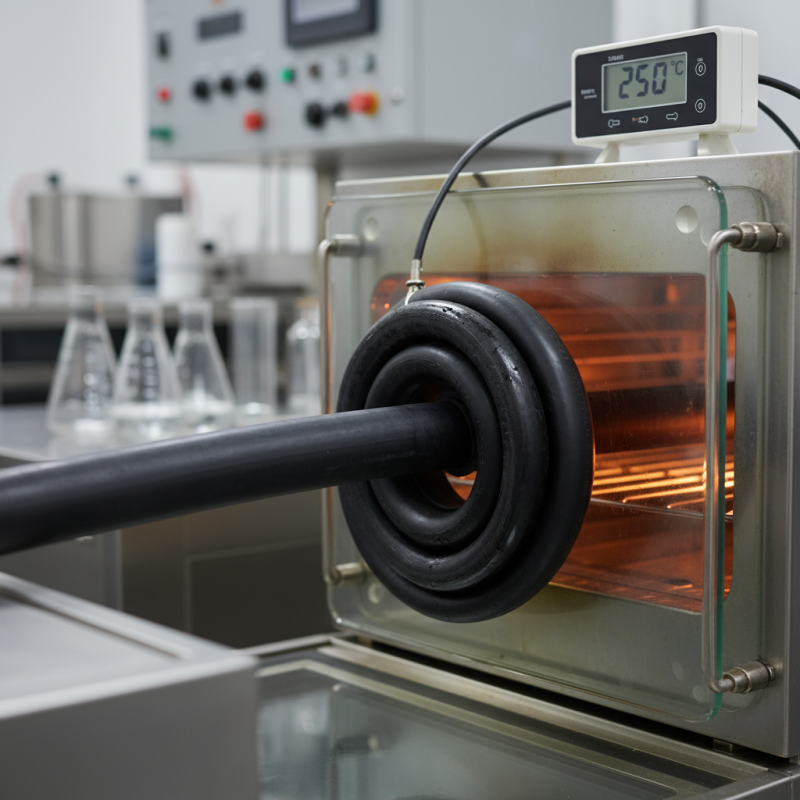
Evaluating the heat resistance of rubber hoses requires specific testing methods. A common approach is the compression set test. It involves compressing the rubber sample at elevated temperatures. The sample is examined afterward to see how much it retains its shape. This method offers insights into how the material will perform when subjected to high heat.
Another effective method is the heat aging test. This test exposes the rubber hose to high temperatures over a specified period. It helps in understanding how well the material withstands thermal degradation. Observations such as changes in flexibility or brittleness can indicate potential issues.
**Tips:** When conducting tests, always allow complete recovery time for the samples. Proper documentation improves accuracy. Also, consider environmental conditions; humidity levels can impact results. It’s essential to recognize that not every rubber hose will pass heat resistance evaluations. Some materials may exhibit unexpected weaknesses due to manufacturing inconsistencies. Always be prepared for surprises.
Heat Resistance Evaluation of Rubber Hoses
Interpreting Heat Resistance Data and Standards for Rubber Hoses
When evaluating rubber hose heat resistance, it's crucial to interpret heat resistance data correctly. Different standards exist to assess the performance of rubber materials under heat. Understanding these standards is essential for ensuring safety and reliability in various applications.
The data typically includes maximum temperature ratings, thermal aging, and performance under pressure. Each of these factors impacts hose durability and functionality. It’s important to note that some tests may not fully simulate real-world conditions. Therefore, relying solely on standard data can be misleading.
Some hoses might perform well in laboratory settings but fail under practical use. Consider the operating environment, including exposure to heat sources and chemicals. These influences can compromise the hose's integrity over time. Evaluating heat resistance isn’t just about numbers; it’s about understanding how those numbers apply in real life.
Maintenance Tips for Enhancing Heat Resistance of Rubber Hoses
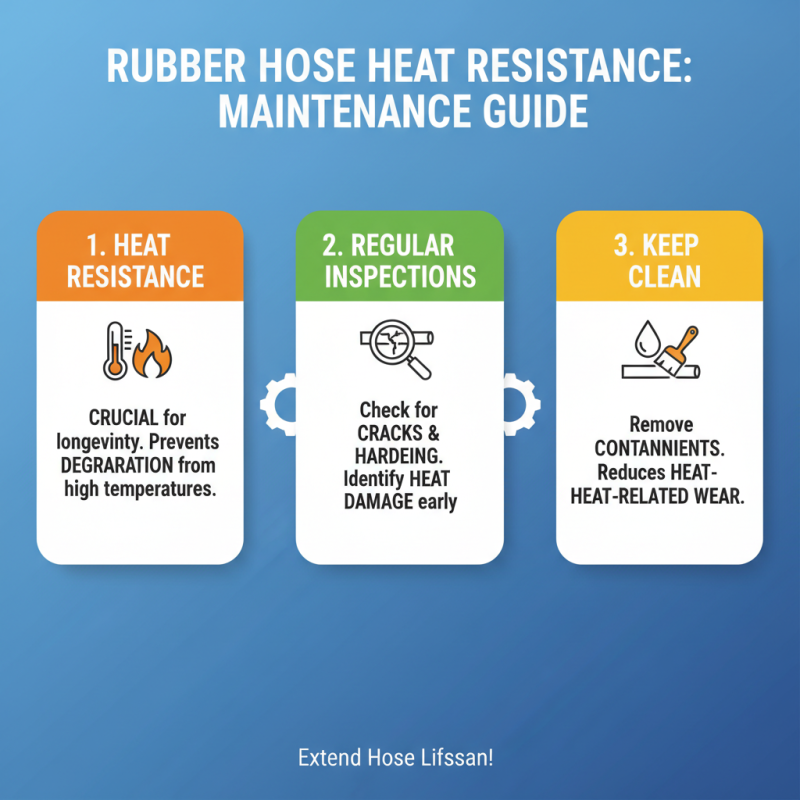
When it comes to maintaining rubber hoses, heat resistance is crucial. Rubber hoses are often exposed to high temperatures, leading to degradation over time. Regular inspections can catch issues early. Check for cracks and hardening, signs of heat damage. Keeping hoses clean is essential. Contaminants can exacerbate heat-related wear.
Using insulating sleeves can provide additional protection. These can reflect heat away from the hose, extending its life. A report from the Rubber Manufacturers Association notes that proper insulation can increase hose lifespan by up to 40%. Regularly monitor service temperatures. Exceeding recommended limits often leads to hose failure. Keeping documentation helps track these metrics.
Storing hoses correctly is also important. Avoid exposing them to direct sunlight or extreme temperatures when not in use. Some experts suggest a cool, dark environment for storage. Tests show that rubber degrades 10% faster under UV light exposure. Regular maintenance and awareness can help enhance heat resistance, but many overlook these factors. Focusing on proactive measures can prevent costly disruptions in operations.