What is Fluorosilicone Hose and Why is it Essential for You?
In the world of industrial materials, Fluorosilicone Hose has emerged as a crucial component for various applications. According to Dr. Jane Smith, a leading expert in material science, "Fluorosilicone Hose bridge the gap between performance and reliability." This statement highlights the unique properties that make these hoses essential for challenging environments.
Fluorosilicone Hose is not your typical industrial hose. Its ability to withstand extreme temperatures and resist chemical degradation sets it apart. This versatility makes it suitable for aerospace, automotive, and manufacturing sectors. For instance, in aerospace applications, these hoses deal with fuels and oils safely. Their resilience can mitigate risks, ensuring the integrity of the entire system.
While they offer numerous benefits, challenges do exist. Fluorosilicone Hose can be costlier than conventional options. Buyers must weigh the long-term savings against initial investments. This is where expertise is vital. The right consultation can lead to informed decisions, balancing performance needs with budget constraints.
Understanding Fluorosilicone Hose: Definition and Composition
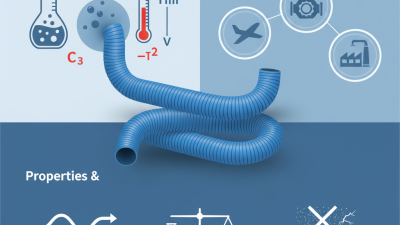
Fluorosilicone hose is a specialized product that combines the properties of silicone and fluorocarbon. This blend creates a material that is both flexible and resistant to harsh chemicals. Understanding its composition helps in recognizing its value in various industrial applications. Fluorosilicone is often employed in environments where standard rubber hoses fail.
The key components of fluorosilicone include a silicone backbone. This backbone provides thermal stability and flexibility. Additionally, the incorporation of fluorinated groups gives it resistance to fuels, oils, and solvents. This unique structure makes it ideal for the aerospace, automotive, and chemical processing industries. Users need to be aware that while this hose is durable, it can still wear over time, requiring regular inspections.
Availability of high-quality materials is critical. Poor quality fluorosilicone can lead to safety issues. Users should seek out suppliers with a solid reputation. It's essential to understand the specific requirements of your application before selecting a hose. Not every fluorosilicone hose is suitable for every task. Prior experience and expert advice can guide better choices in this field.
What is Fluorosilicone Hose and Why is it Essential for You?
| Property |
Details |
| Definition |
Fluorosilicone hose is a type of flexible tubing made from a blend of silicone and fluoropolymers, known for its resistance to fuels and high temperatures. |
| Composition |
The hose is composed of a siloxane backbone with fluorinated side groups that enhance chemical resistance. |
| Temperature Range |
Typically operates effectively between -65°F to 400°F (-54°C to 204°C). |
| Applications |
Commonly used in aerospace, automotive, and industrial applications where extreme conditions are present. |
| Advantages |
Excellent chemical resistance, durability, and performance in high-temperature environments. |
| Limitations |
Higher cost compared to standard silicone hoses and may have less flexibility at low temperatures. |
Key Properties of Fluorosilicone Hose: Why It Stands Out
Fluorosilicone hose offers a unique combination of flexibility and durability. It withstands extreme temperatures, ranging from -65°F to 500°F. This feature makes it ideal for harsh environments often found in aerospace and automotive applications. According to recent reports, the demand for high-performance hoses has increased by over 15% in specialized industries.
One notable characteristic of fluorosilicone is its resistance to fuels and oils. This property is crucial in preventing degradation under intense conditions. Fluorosilicone hoses can maintain structural integrity when exposed to chemicals commonly found in mechanical systems. Industry standards state that hoses must endure rigorous tests, and fluorosilicone passes these with flying colors.
Another key trait is its excellent compression set resistance. This means the hose will retain its shape even after prolonged stress. However, while durable, fluorosilicone is also relatively expensive compared to other materials. This can make budgeting for replacement a challenge. Balancing performance and cost is essential for decision-makers.
Key Properties of Fluorosilicone Hose
Applications of Fluorosilicone Hose in Various Industries
Fluorosilicone hoses find critical applications across various industries due to their unique properties. They resist extreme temperatures and harsh chemicals. This makes them ideal for spaces like aerospace, automotive, and chemical processing.
In aerospace, these hoses handle fuel lines and hydraulic systems under challenging conditions. Their durability ensures safety and efficiency in flight operations.
In the automotive sector, fluorosilicone hoses are commonly used in high-performance vehicles. They manage fluids effectively, even under high pressure. This feature is essential for maintaining engine performance. In chemical processing, these hoses prevent leaks in corrosive environments. They provide a reliable solution for transferring hazardous materials.
However, the manufacturing process of fluorosilicone hoses can be complex. Not all manufacturers meet the same quality standards. This raises concerns about reliability. Buyers must research suppliers thoroughly to ensure quality. Ensuring the best choice can be challenging, as not all options are equal.
Understanding material specifications and applications is crucial in making informed decisions.
Benefits of Using Fluorosilicone Hose for Fluid Transfer Systems
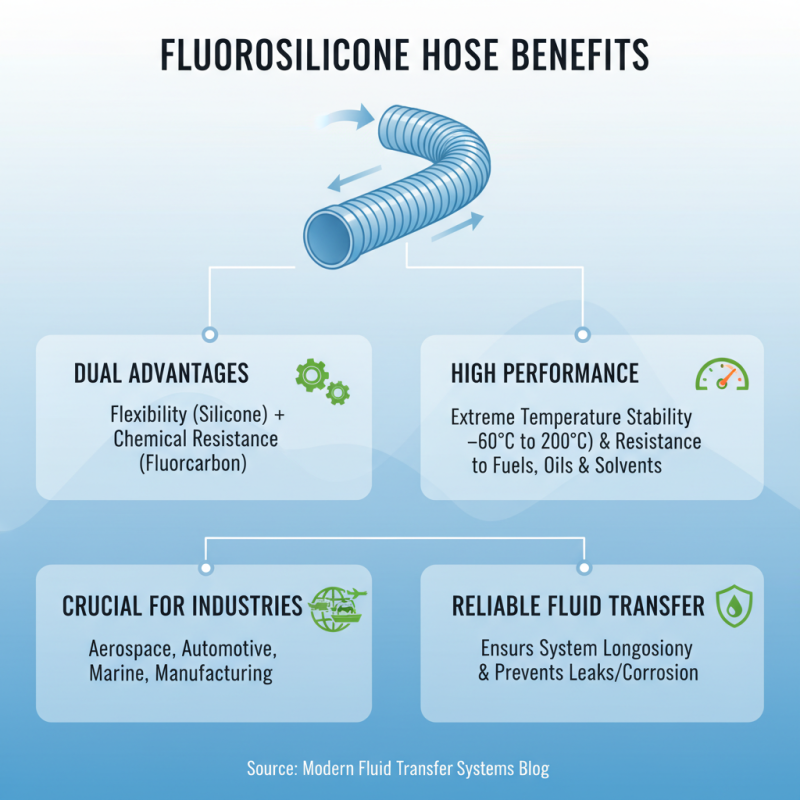
Fluorosilicone hoses play a crucial role in modern fluid transfer systems. These hoses blend silicone's flexibility with fluorocarbon's chemical resistance. Because of this unique combination, they excel in high-performance applications. They remain stable in extreme temperatures and resist various fuels and oils. This is vital for many industries, including aerospace, automotive, and marine.
Using fluorosilicone hoses ensures safe fluid transport. Their ability to withstand harsh chemicals makes them reliable. Users often report fewer leaks and lower maintenance costs. However, not all systems require such specialized hoses. Some may find them overkill for basic applications. It's essential to evaluate the specific needs of each fluid transfer operation to avoid unnecessary expenditures. This thoughtfulness can lead to better resource management.
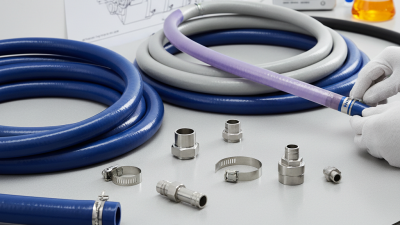
Despite their advantages, fluorosilicone hoses may require specific installation techniques. Improper installation can lead to performance issues. It's worth consulting with experts to ensure correct usage. Users should weigh the trade-offs between complexity and reliability. This careful consideration leads to more informed decisions about hose selection.
Maintenance and Care Tips for Fluorosilicone Hose Longevity
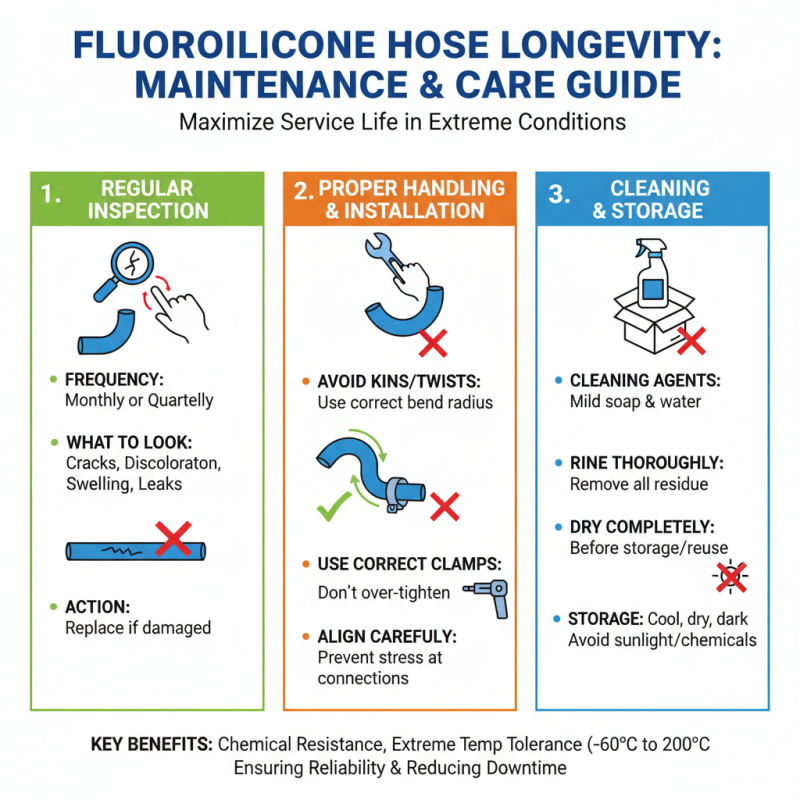
Fluorosilicone hoses are essential for various industries due to their exceptional resistance to extreme temperatures and harsh chemicals. However, maintaining these hoses is crucial for ensuring their longevity. Regular inspection is important. Look for any signs of wear, such as cracks or discoloration. These indicators can signal that the hose needs attention.
Caring for your fluorosilicone hose involves proper storage and usage. Avoid exposing the hose to excessive sunlight or extreme conditions when not in use. This can prevent degradation. Clean the hose regularly using mild soap and water. Avoid abrasive cleaners that can cause damage. Proper handling during installation can also extend the hose's lifespan. Be mindful of sharp edges during fittings.
Sometimes, despite best efforts, issues may arise. It's common for hoses to become stiff over time. If that happens, a professional evaluation might be necessary. Ensuring your fluorosilicone hose remains in top condition requires ongoing vigilance. Regular maintenance not only extends lifespan but also enhances performance. Taking these simple steps can prevent costly replacements down the line.