What is Food Grade Silicone Hose and its Benefits for Buyers?
In the ever-evolving world of food safety and manufacturing, the importance of the right materials is paramount. Food Grade Silicone Hose is one such critical component in various industries. Renowned expert Dr. Emily Carter, a leading figure in materials science, emphasizes, “Using Food Grade Silicone Hose ensures safety and reliability in food processing applications.” This statement reflects the growing concern among businesses about the integrity of their supply chains.
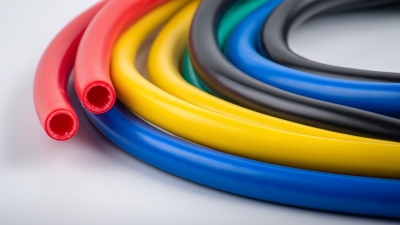
Food Grade Silicone Hose is not just a product; it represents a commitment to quality. Its non-toxic properties make it ideal for the food and beverage industry. These hoses can withstand extreme temperatures and resist degradation over time. This durability translates into greater efficiency and fewer replacements, saving companies valuable time and resources.
While the benefits are clear, buyers must also consider the sourcing of Food Grade Silicone Hose. Not all suppliers meet stringent industry standards. Conducting thorough research is essential. Ensuring that the materials are certified can be a challenging task, but it is crucial for maintaining safety. Embracing these rigorous standards can lead to better outcomes in production.
What is Food Grade Silicone Hose?
Food grade silicone hose is designed specifically for applications involving food and beverages. Made from high-quality silicone, it meets stringent safety standards. This material is non-toxic and free from harmful chemicals. Many industries use it, including food processing and brewing. Its flexibility allows for easy installation in various systems.
These hoses can withstand high temperatures and maintain their integrity. They resist aging and remain stable in different conditions. Silicone hoses do not impart flavors or odors to products. This is crucial for maintaining the quality of food items. However, not every product labeled as food grade meets all safety requirements. Buyers should review certifications and specifications carefully.
In use, food grade silicone hoses can be susceptible to wear and tear over time. Regular inspections can help identify signs of damage early. Improper maintenance can lead to potential leaks. It’s vital for users to understand the limitations and expected lifespan of silicone hoses. By being informed, buyers can make better decisions for their needs.
What is Food Grade Silicone Hose and its Benefits for Buyers?
| Feature |
Description |
Benefits |
| Material |
High-quality silicone that is safe for food contact. |
Ensures no harmful chemicals leach into food. |
| Temperature Resistance |
Can withstand a wide range of temperatures, typically from -60°C to 200°C. |
Suitable for various cooking and storage conditions. |
| Flexibility |
Highly flexible and can be easily installed in tight spaces. |
Easy to work with, reducing installation time. |
| Durability |
Resistant to wear, tear, and various chemicals. |
Long-lasting, providing value for money over time. |
| Easy Cleaning |
Non-porous surface that prevents bacterial growth. |
Promotes hygiene and food safety. |
Key Properties of Food Grade Silicone Hose
Food grade silicone hoses are specifically designed for applications involving food processing and transport. These hoses offer several key properties that benefit both manufacturers and consumers. One major advantage is their ability to withstand extreme temperatures. They perform well in both hot and cold environments, making them versatile. This property is essential for food applications, where temperature control is vital.
Another significant benefit is their non-toxic nature. Food grade silicone is free from harmful chemicals, ensuring that it does not leach into food products. This aspect is crucial for maintaining food safety. Additionally, silicone is resistant to mold and bacteria. This resistance helps in keeping the food supply clean and safe.
Flexibility is another important characteristic. Food grade silicone hoses are easy to bend and shape. This feature provides convenience during installation. However, consumers should be aware of potential quality variations. Not all silicone hoses are created equal. It's crucial to validate supplier reliability and product certifications. This ensures the hoses meet food safety standards.
Common Applications in Food and Beverage Industry
Food grade silicone hoses are essential in the food and beverage industry. They cater to a variety of applications, maintaining high standards of hygiene. These hoses are non-toxic and can withstand extreme temperatures. According to a recent industry report, the global food-grade silicone market is expected to reach $1.1 billion by 2025, highlighting its growing importance.
In food processing plants, silicone hoses are commonly used for transferring liquids. Their flexibility allows for easy maneuvering in tight spaces. Additionally, they resist chemical corrosion, which is vital for maintaining product integrity. A study revealed that silicone hoses can last up to ten times longer than traditional rubber hoses. However, wear and tear can occur, requiring regular inspections for cracks or abrasions.
Beverage manufacturers also benefit from using food-grade silicone hoses. They ensure that beverages flow smoothly without contamination. These hoses are easy to clean and sanitize, reducing the risk of bacterial growth. But, it is crucial to ensure that the hoses are compliant with FDA standards. Any lapse in compliance can jeopardize food safety, emphasizing the need for proper training and knowledge in their use.
Benefits of Food Grade Silicone Hose in Food & Beverage Industry
Advantages of Using Food Grade Silicone Hose
Food-grade silicone hoses are essential for various applications in the food industry. They are designed to safely transport food products without contamination. One significant advantage is their high-temperature resistance. These hoses can withstand extreme heat, making them ideal for processing hot liquids. Furthermore, their flexibility allows for easy handling and installation in tight spaces.
Using food-grade silicone hoses also provides excellent durability. They resist tearing and can endure repeated use. This durability translates into cost savings for businesses. Another benefit is their non-stick surface, which minimizes residue buildup. This feature simplifies cleaning and maintenance, ensuring compliance with health standards.
Tips: Always check for certification when purchasing. Look for hoses labeled as food-grade. This assures you that they meet safety requirements. If you notice signs of wear, consider replacing the hoses sooner than later. Regular inspections can prevent costly downtimes in your operations. Remember, even high-quality materials can wear out. Pay attention to how they perform over time.
Factors to Consider When Purchasing Food Grade Silicone Hose
When considering the purchase of food grade silicone hose, several factors are essential. First, buyers should ensure that the silicone meets relevant safety certifications. Such certifications affirm that the material is safe for food handling. Look for hoses that comply with FDA or similar standards.
Another important aspect is the hose’s temperature tolerance. Food grade silicones can withstand high temperatures, but not all hoses are created equal. Buyers should check the manufacturer’s specifications. Analyze the temperature range that suits your intended use.
Flexibility is also crucial. A flexible hose can save space and reduce stress on connections. However, if it's too flexible, it might lead to kinks. This can affect performance. Comfort with your choice is key, as it directly impacts efficiency. Consider actual use cases before making a decision.