What is Silicone Vacuum Hose and Its Applications in Various Industries?
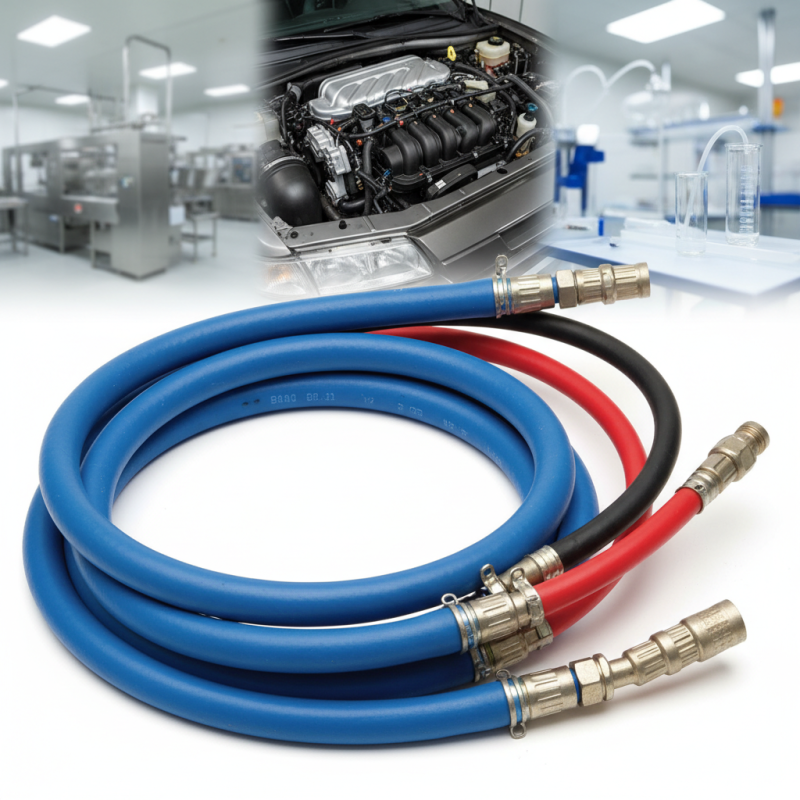
The Silicone Vacuum Hose is a versatile component used in many industries. It has gained popularity due to its flexibility and durability. These hoses can withstand various temperatures and pressures, making them ideal for different applications.
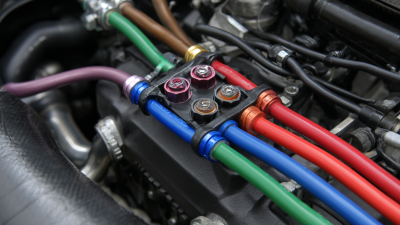
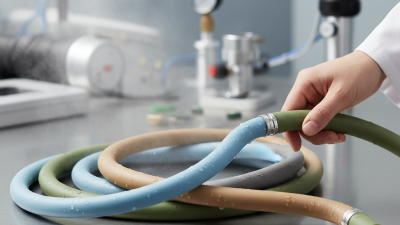
In the automotive sector, for instance, Silicone Vacuum Hoses are crucial for connecting vacuum systems. They help maintain engine performance by transferring air and fluid efficiently. In food processing, these hoses ensure hygiene as they are easy to clean. The medical field also relies on them for vacuum systems and precise applications.
However, not all Silicone Vacuum Hoses are created equal. Some may not endure extreme conditions as expected. Users should regularly inspect them for wear or damage. This attention to detail can prevent failures in critical systems. While these hoses offer many advantages, understanding their limitations is equally important.
Understanding Silicone Vacuum Hose: Definition and Composition
Silicone vacuum hoses are versatile components widely used across various industries. They are created from high-quality silicone, known for its flexibility and durability. The composition typically includes silicone rubber mixed with additives, enhancing properties like temperature resistance and durability. These hoses can withstand extreme temperatures, ranging from -60 to 200 degrees Celsius, making them suitable for diverse applications.
In industries like food processing, silicone vacuum hoses are crucial. They help transport materials safely without contamination. The smooth interior ensures easy cleaning, and the flexibility allows for easy installation in tight spaces. In manufacturing, these hoses facilitate the movement of various materials, enhancing efficiency. However, not all hoses are compatible with every application, leading to potential mishaps if used incorrectly.
Despite their advantages, silicone vacuum hoses can have limitations. While they resist many chemicals, exposure to certain substances can cause degradation. This requires careful consideration of the environment in which they are used. Regular inspections of hoses are necessary to ensure they remain in optimal condition. Users must remain vigilant and aware of the specific needs of their operations to prevent failures.
Applications of Silicone Vacuum Hose in Various Industries
Key Properties of Silicone Vacuum Hose That Enhance Performance
Silicone vacuum hoses are gaining popularity across various industries. Their unique properties enhance performance in numerous applications. These hoses are known for their flexibility and resilience. They can withstand extreme temperatures, ranging from -50°C to 250°C. This wide temperature range enables them to function effectively in diverse settings, from food processing to chemical manufacturing.
Another key property is their resistance to various chemicals. Silicone vacuum hoses tolerate oils, solvents, and acids without degrading. This ensures longevity and reliability. Additionally, they are non-toxic and safe for food contact. Their smooth inner surface minimizes friction, promoting efficient airflow. This detail is especially valuable in applications requiring high precision.
Despite these advantages, some challenges remain. Over time, even silicone can become brittle. Regular inspections are necessary to maintain performance. Users should be aware of the environmental factors that may affect the hose. Proper storage and handling can extend its lifespan. Balancing their benefits against these imperfections is crucial for optimal usage.
Common Applications of Silicone Vacuum Hose in Different Industries
Silicone vacuum hoses are gaining traction across various industries due to their unique properties. These hoses can withstand extreme temperatures, ranging from -60°C to 200°C. Their flexibility allows for easy installation in tight spaces. Data from industry reports indicate that the silicone hose market is expected to grow significantly, reaching $2.5 billion by 2025.
In the food and beverage sector, silicone vacuum hoses are crucial. They are FDA-compliant and help maintain hygiene standards. The ability to handle both hot and cold liquids makes them versatile. In medical applications, they are used in vacuum systems for surgery and patient monitoring. Reports show that the demand for silicone hoses in healthcare is projected to increase by 15% annually.
Automotive industries also utilize silicone vacuum hoses. They are essential for air intake and cooling systems. Their durability helps reduce the need for frequent replacements. Interestingly, some manufacturers still overlook the advantages of silicone in favor of traditional materials. This presents an opportunity for innovation. The gap in awareness could hinder growth in specific sectors. Therefore, continued education and adaptation are necessary for maximizing the benefits of silicone vacuum hoses.
Comparative Analysis: Silicone Vacuum Hose vs. Other Hose Materials
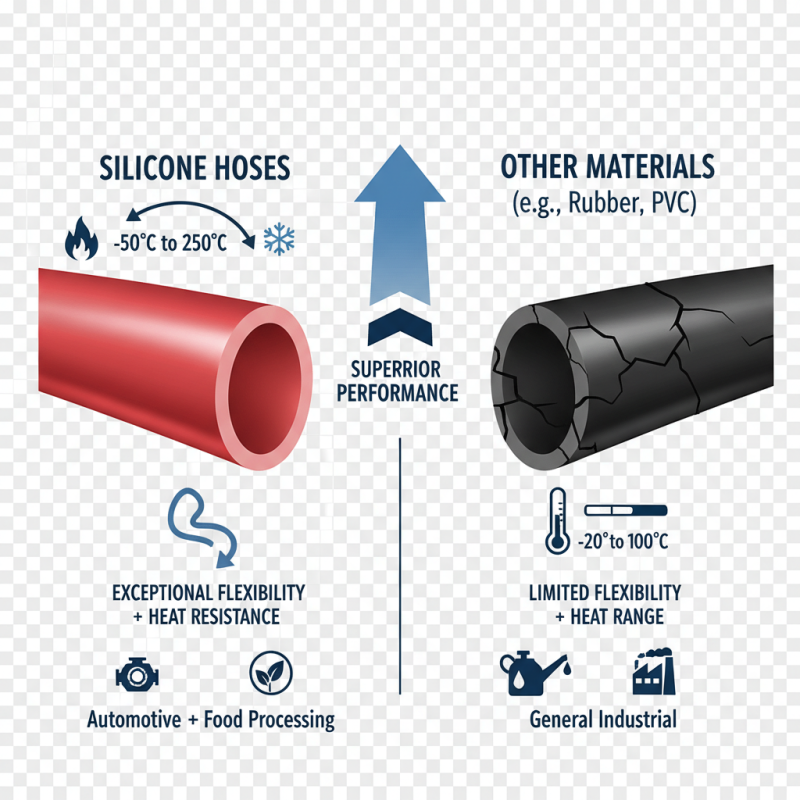
When examining silicone vacuum hoses compared to other materials, several factors come into play. Silicone hoses are known for their exceptional flexibility and heat resistance. They can handle a wide temperature range, often from -50°C to 250°C. This makes them suitable for diverse applications, including automotive and food processing industries.
In contrast, rubber hoses may not perform as well under extreme temperatures. They can harden over time, losing their flexibility. On the other hand, PVC hoses are less expensive but can be less durable under high-pressure conditions. Silicone hoses resist cracking and maintain their integrity longer, making them a preferred choice in settings where reliability is crucial.
However, silicone hoses are not without their challenges. They can be more expensive than their counterparts, which might be a drawback for some businesses. Additionally, not all silicone hoses are created equal; variations in quality can lead to inconsistency in performance. Understanding these nuances is vital for industries aiming to optimize their operations while minimizing risks.
Maintenance and Care Tips for Silicone Vacuum Hoses in Industrial Use
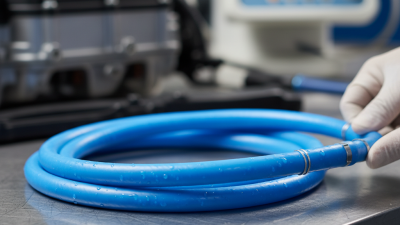
Silicone vacuum hoses are essential in many industrial settings. To ensure their longevity, proper maintenance is crucial. Regularly inspect the hoses for cracks or tears. Small damages can escalate quickly. Replace any worn-out sections promptly.
Cleaning silicone hoses is also important. Use warm, soapy water to clear out debris. Avoid harsh chemicals that might degrade the material. Rinsing thoroughly can prevent buildup that affects performance.
Storing hoses properly extends their life. Keep them in a cool, dry place. Avoid sharp bends, which may cause kinks. Occasionally check for environmental factors that could cause wear. Even the best hoses need care. Ignoring small issues can lead to bigger problems later.
What is Silicone Vacuum Hose and Its Applications in Various Industries?
| Industry |
Application |
Temperature Resistance (°C) |
Key Properties |
Maintenance Tips |
| Food Processing |
Transfer of liquids and powders |
-60 to 200 |
Non-toxic, flexible, high-temperature resistance |
Regularly clean with food-safe detergents |
| Automotive |
Vacuum lines for braking systems |
-40 to 150 |
Durable, resistance to oil and chemicals |
Inspect regularly for cracks or wear |
| Medical |
Vacuum suction in surgical procedures |
-50 to 120 |
Sterilizable, biocompatible |
Use appropriate sterilization methods |
| Electronics |
Vacuum packaging of components |
-60 to 200 |
Insulation properties, resistant to moisture |
Avoid exposure to sharp objects |