Top 10 Colorful Silicone Hoses for Global Buyers?
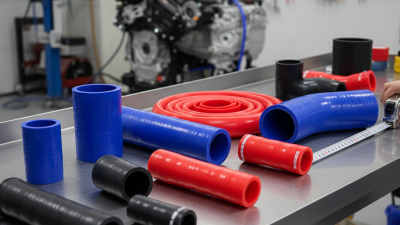
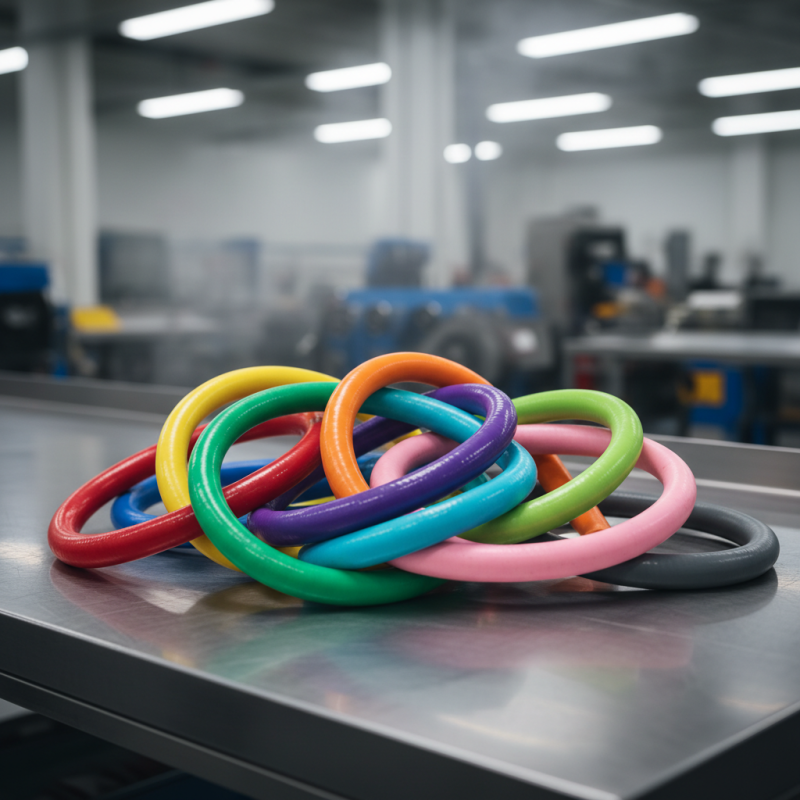
In today's market, Colorful Silicone Hoses stand out for their vibrant appearance and practical applications. These hoses are not just visually appealing; they also offer durability and flexibility. Their unique colors can enhance the aesthetics of automotive and industrial settings.
Many buyers seek these hoses for their versatility. They are used in various applications, from automotive cooling systems to food processing. However, selecting the right hose can be challenging. Different materials and specifications impact performance and durability. Buyers must consider factors such as temperature resistance and pressure ratings.
While Colorful Silicone Hoses seem perfect, imperfections exist. Some users report issues with fading colors over time. Others mention compatibility problems with certain fluids. It's essential to research and compare products before making a purchase. By understanding these nuances, buyers can make informed decisions.
Overview of Silicone Hoses and Their Applications
Silicone hoses are increasingly popular across various industries due to their flexibility and durability. They can withstand high temperatures and pressures, making them ideal for automotive, aerospace, and industrial applications. According to a report by MarketsandMarkets, the silicone rubber market is expected to grow from $5.56 billion in 2020 to $10.51 billion by 2025, reflecting a strong demand for silicone products, including hoses.
In automotive applications, silicone hoses are often used for coolant, air intake, and turbocharger systems. Their resistance to heat and chemicals helps to enhance engine efficiency. However, not all silicone hoses meet rigorous safety standards. Some cheaper options may degrade faster or fail under extreme conditions, leading to potential risks or breakdowns. Awareness of such issues is essential for buyers.
In industries like food processing and pharmaceuticals, silicone hoses offer cleanliness standards that other materials cannot. They are non-toxic and easy to sterilize. Yet, the manufacturing process can vary significantly, leading to quality discrepancies. Buyers should ensure they are informed, considering certification and compliance with regulations when selecting hoses for sensitive applications. Details like these highlight the importance of careful evaluation in this expanding market.
Benefits of Using Colorful Silicone Hoses in Various Industries
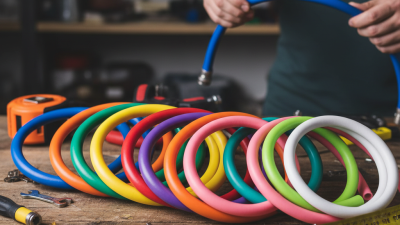
Colorful silicone hoses are gaining popularity across various industries. Their vibrant colors not only add visual appeal but also serve practical purposes. For instance, different colors can indicate specific functionalities or materials used, enhancing safety during operations. A report from a leading materials science journal states that effective color coding can reduce miscommunication by nearly 30%. This visual differentiation plays a crucial role in fast-paced environments.
In addition to aesthetics, colorful silicone hoses offer notable durability. They resist extreme temperatures, chemical corrosion, and UV exposure. According to industry data, silicone materials exhibit a temperature range of -75°F to 500°F, making them versatile for numerous applications. These features contribute to longer service life and lower maintenance costs in manufacturing processes. Some consider this added longevity as a somewhat flawed expectation, as misuse or poor installation can still lead to failures.
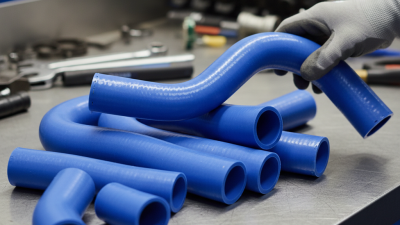
Furthermore, the flexibility of silicone means easier handling during installation. Users may find this beneficial in constrained spaces or complex layouts. However, it is essential to be cautious. Not all applications suit silicone hoses. Some high-pressure systems may require different materials. Thus, understanding the specific requirements of each project remains vital. Overall, the benefits of colorful silicone hoses extend beyond mere aesthetics, impacting efficiency and safety in meaningful ways.
Top 10 Colorful Silicone Hoses for Global Buyers
| Color |
Temperature Resistance (°C) |
Applications |
Benefits |
Durability (Years) |
| Red |
-60 to 200 |
Automotive, HVAC |
Flexible, Lightweight |
5 |
| Blue |
-50 to 180 |
Food Processing |
Chemical Resistant |
7 |
| Green |
-40 to 150 |
Marine Applications |
UV Resistant |
8 |
| Yellow |
-50 to 120 |
Agricultural |
Abrasion Resistant |
6 |
| Purple |
-50 to 220 |
Industrial Equipment |
High Temperature |
10 |
| Orange |
-30 to 130 |
Construction |
Impact Resistant |
6 |
| Pink |
-40 to 160 |
Medical Equipment |
Non-toxic |
5 |
| Black |
-60 to 250 |
Automotive, Aerospace |
Oil Resistant |
12 |
| White |
-50 to 250 |
Pharmaceuticals |
Sterile |
8 |
| Gray |
-40 to 180 |
Oil and Gas |
Tensile Strength |
9 |
Top Features to Consider When Selecting Silicone Hoses
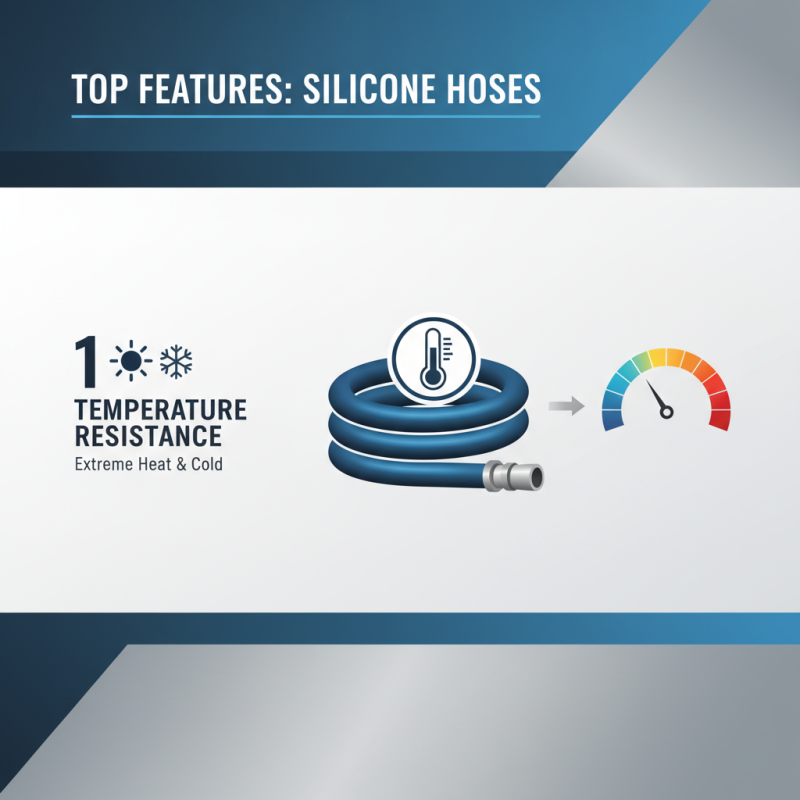
When selecting silicone hoses, several key features stand out. First, consider the temperature resistance. High-quality hoses can withstand extreme temperatures. Look for a range that suits your specific application.
Durability is another critical aspect. Silicone hoses should be resistant to wear and tear over time. This ensures longevity and reduces the need for frequent replacements. Flexible design can also enhance usability, allowing for easier installation in confined spaces.
**Tip**: Always check the material quality. A good silicone hose should be thick enough to handle pressure without bursting.
Another feature to note is color options. Bright, vibrant colors can improve visibility and aesthetics. However, choosing the right color may also help in identifying specific applications or systems.
**Tip**: Evaluate your specific needs. Sometimes, a more muted color can work better in certain environments.
Lastly, ensure that the hoses provide a secure fit. This prevents leaks and enhances safety in all applications. It's crucial to balance all these factors when making a choice.
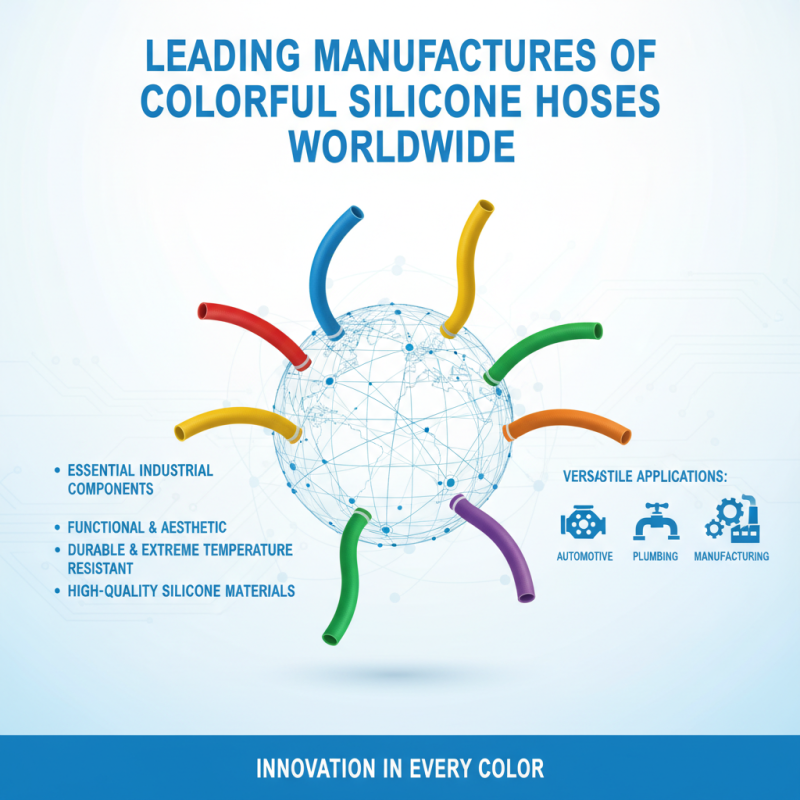
Leading Manufacturers of Colorful Silicone Hoses Worldwide
Colorful silicone hoses are essential components in various industries. They stand out not just for their function but also for aesthetics. Leading manufacturers worldwide specialize in producing these vibrant, durable hoses. They focus on using high-quality silicone materials that can withstand extreme temperatures. The versatility of silicone allows these hoses to be used in automotive, plumbing, and manufacturing sectors.
These manufacturers invest in innovative designs. They offer an array of colors, making it easier for clients to find suitable options. However, the market can be saturated, leading to confusion over quality. Buyers must scrutinize the manufacturing processes and materials used. Authenticity in sourcing materials often reflects a manufacturer's commitment to quality. Without thorough research, it’s easy to overlook potential issues.
While many companies claim to produce the best hoses, not all meet high standards. Some may prioritize cost over quality. This can result in products that fail prematurely, affecting operations. It’s crucial to evaluate feedback from existing customers. Understanding these elements can help buyers make informed decisions. The balance between vibrant design and reliability is key in selecting the right supplier.
Global Market Trends in Silicone Hose Production and Sales
The global silicone hose market is witnessing exciting trends. Demand for colorful silicone hoses is increasing in various industries, particularly automotive and industrial applications. These hoses are appreciated for their durability and flexibility. They can withstand high temperatures and pressures, making them ideal for diverse uses.
Production techniques are evolving. Manufacturers are adopting innovative technologies to enhance the quality and customization of these hoses. Vibrant colors have become a significant selling point. Buyers seek hoses that not only perform well but also add aesthetic appeal to their systems.
Market challenges persist. Quality control can vary across regions and manufacturers. Some products may not meet the expected standards. Buyers must consider these factors when selecting silicone hoses. Proper research and supplier vetting are essential to ensure reliability in performance and durability.
Top 10 Colorful Silicone Hoses: Global Production and Sales Trends