Top 10 Flexible Silicone Hose Manufacturers in China?
The flexible silicone hose industry is rapidly evolving, and China stands at the forefront. Leading this charge are various manufacturers who specialize in producing high-quality flexible silicone hoses. Dr. Emily Chen, a renowned expert in polymer engineering, emphasizes the significance of this market, stating, "Flexible silicone hoses are vital for diverse applications, from automotive to industrial."
In recent years, China's flexible silicone hose manufacturers have gained recognition. They focus on innovation, quality, and versatility. Companies design hoses to withstand extreme temperatures and pressures. Each manufacturer brings a unique approach, affecting overall performance and reliability. However, the market's growth isn't without challenges. As demand increases, so does competition, making it crucial for companies to maintain high standards.
Despite their expertise, some manufacturers struggle with consistency. The varying quality of materials can lead to performance issues. Therefore, selecting the right manufacturer is critical for success. This overview will explore the top ten flexible silicone hose manufacturers in China, highlighting their strengths and areas for improvement.

Overview of Flexible Silicone Hoses and Their Applications
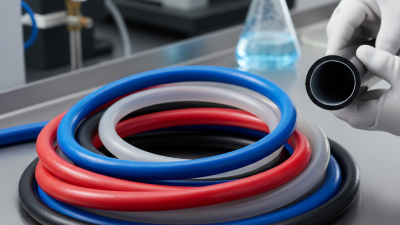
Flexible silicone hoses are widely used in various industries due to their versatility and high performance. These hoses can withstand extreme temperatures and harsh environments. This makes them ideal for automotive, aerospace, and food processing applications. Their flexibility allows for easy installation and routing in tight spaces. The non-toxic nature of silicone also means they are safe for food and medical use.
The flexibility of silicone hoses offers other advantages as well. They are resistant to UV rays and ozone, which enhances their durability outdoors. Customers appreciate their ability to maintain performance without cracking or degrading over time. However, while silicone hoses come with many benefits, improper installation can lead to leaks. Ensuring proper fittings and pressure ratings is critical for optimal performance.
In industrial settings, silicone hoses are often subjected to rigorous demands. They may need to withstand corrosive chemicals or high-pressure applications. This presents challenges that manufacturers must address. Choosing the right silicone hose is not always simple. Users should consider factors like temperature ranges, size, and specific application needs. Missteps in selection or maintenance could lead to costly downtimes or equipment failures.
Criteria for Selecting Top Manufacturers of Silicone Hoses
When selecting top manufacturers of silicone hoses, several key criteria come into play. Quality is paramount. Manufacturers must use high-grade silicone materials that withstand extreme temperature changes and resist degradation. Durability is equally important. A reliable hose should maintain its functionality over time, minimizing the need for replacements.
Another critical aspect is customization. Manufacturers that offer tailored solutions can better meet specific industry needs. This flexibility enhances their relevance in the market. Customers often seek to find options that fit unique applications. Additionally, customer service plays a vital role. Responsive support and clear communication help build trust and ensure a smooth purchasing process.
It’s also essential to consider manufacturers’ production capabilities. A facility’s technology and scale can reflect its quality control processes. Sustainable practices are gaining importance too. Businesses should favor manufacturers committed to environmentally friendly methods. Balancing these criteria can lead to a more informed choice, but the process may still involve trial and error.
Profiles of Leading Silicone Hose Manufacturers in China
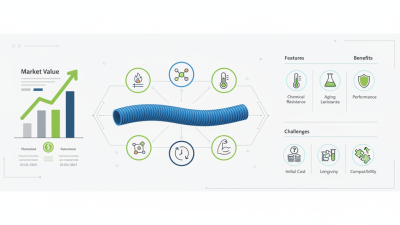
The silicone hose industry in China plays a crucial role in various sectors. Flexible silicone hoses are widely used in automotive, aerospace, and medical applications. These hoses offer resistance to high temperatures and flexibility. Reports indicate that the silicone hose market in China has grown significantly, reaching an estimated value of $1.2 billion in 2023.
Several leading manufacturers specialize in producing high-quality silicone hoses. These companies focus on innovation and sustainability, utilizing advanced materials and manufacturing processes. With a production capacity that meets international standards, they cater to both domestic and export markets. Some firms report over 50% of their output is shipped globally, highlighting their competitive edge.
Yet, the industry faces challenges. Many manufacturers struggle with quality consistency due to varying raw material suppliers. This inconsistency can impact performance and customer satisfaction. Additionally, as demand increases, some manufacturers find it difficult to scale operations without sacrificing quality. Balancing growth and quality remains an ongoing concern, necessitating ongoing reflection and adaptation.
Top 10 Flexible Silicone Hose Manufacturers in China - Market Share Distribution
Innovations and Advancements in Silicone Hose Technology
The silicone hose industry has seen remarkable innovations. Manufacturers are now focusing on enhancing the durability and flexibility of silicone hoses. Advanced manufacturing techniques, such as injection molding and 3D printing, are revolutionizing design capabilities. This process allows for intricate shapes and improved performance features, catering to diverse industrial applications.
Tips for selection: Look for hoses that have passed rigorous quality tests. Pay attention to the temperature and pressure ratings of the silicone hoses. A thorough review of production processes may reveal a supplier's commitment to quality.
Another significant advancement is the development of silicone hoses that resist harsh chemicals. These hoses provide extended lifespan in demanding environments. They also minimize downtime and maintenance costs. Investing in high-quality silicone hoses can drastically improve operational efficiency.
Consider this: not all silicone hoses are created equal. Some may not meet performance expectations under specific conditions. Always seek reliable sources for insights and recommendations to ensure the best fit for your needs.
Top 10 Flexible Silicone Hose Manufacturers in China
| Rank |
Company Location |
Annual Revenue (USD) |
Number of Employees |
Year Established |
Innovations |
| 1 |
Guangdong |
$10M |
150 |
2002 |
High-temperature resistance technology |
| 2 |
Shenzhen |
$15M |
200 |
2010 |
Self-healing silicone technology |
| 3 |
Shanghai |
$20M |
300 |
2005 |
Eco-friendly silicone materials |
| 4 |
Beijing |
$12M |
180 |
2012 |
Advanced Silicone Formulation |
| 5 |
Zhejiang |
$25M |
400 |
2000 |
Smart hose capabilities |
| 6 |
Jiangsu |
$18M |
250 |
2003 |
Thermal conductive silicone |
| 7 |
Xiamen |
$17M |
220 |
2011 |
UV resistant silicone |
| 8 |
Fujian |
$14M |
170 |
2004 |
Flexible design technology |
| 9 |
Tianjin |
$11M |
130 |
2001 |
Non-toxic silicone formulations |
| 10 |
Hebei |
$9M |
120 |
2015 |
Antimicrobial silicone technology |
Market Trends and Future Prospects for Silicone Hose Industry in China
The silicone hose industry in China is evolving rapidly. Increased demand is pushing manufacturers to innovate. Flexible silicone hoses are gaining popularity due to their durability and versatility. Various industries, such as automotive and aerospace, require these products for high-performance applications.
Market trends indicate a growing shift towards environmentally friendly materials. Manufacturers face pressure to adopt sustainable practices. This transition enhances market credibility but poses challenges, such as cost management. Additionally, the competition is intensifying. Despite having numerous players, only a few lead in technology and quality.
Future prospects appear bright, yet the industry must navigate complexities. Adapting to market changes and consumer preferences is crucial. Research and development will play a significant role in this evolution. A focus on quality control and process optimization can yield better products. The journey is not without its hurdles, but opportunities abound for those willing to adapt.