What is Water Suction Rubber Hose and Its Best Uses?
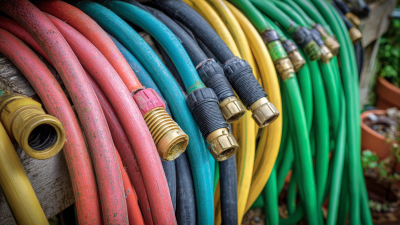
Water Suction Rubber Hose is an essential component in various industrial applications. These hoses are designed to efficiently transport water and other non-corrosive liquids. Their construction typically features a rubber material that provides flexibility and durability. This means they can withstand various environmental conditions.
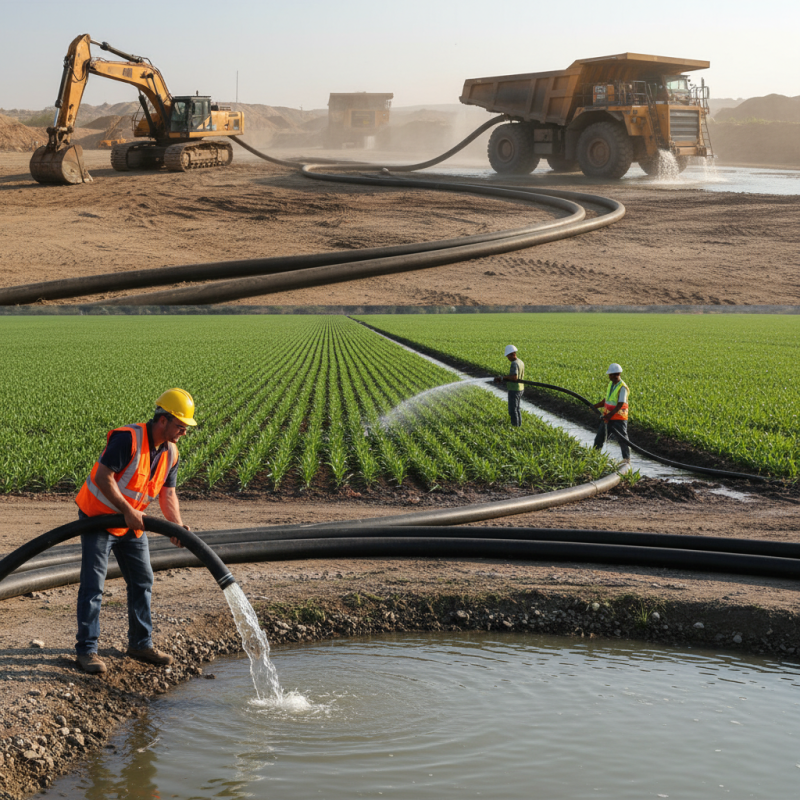
In construction, agriculture, and mining, Water Suction Rubber Hoses play a crucial role. They are often used for siphoning water from ponds or reservoirs. Their lightweight nature makes them easy to handle, which is a significant advantage. However, users need to be cautious about their limitations. Overloading these hoses can lead to failures or leaks, which can disrupt operations.
Understanding the specifications of Water Suction Rubber Hoses is vital. Different projects require different hose diameters and lengths. Users must ensure they choose the right type for their specific needs. By doing so, they can maximize efficiency and prevent costly downtime. The cost of selecting the wrong hose may outweigh the initial savings. Therefore, careful consideration and expertise are necessary when choosing these hoses.
Definition and Composition of Water Suction Rubber Hose
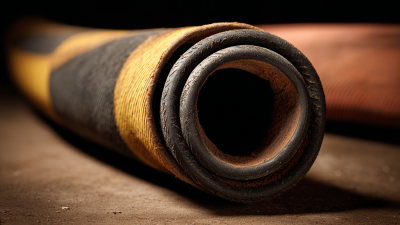
Water suction rubber hoses are essential in various industries for efficient fluid transfer. Understanding their definition and composition is crucial for proper application. These hoses are typically made from a blend of rubber and reinforced with materials like synthetic fibers. This combination provides flexibility and durability, ensuring they can withstand the demands of suction applications.
The inner lining of water suction rubber hoses is often smooth to reduce friction. This feature enhances flow rates, allowing water and other fluids to be transported efficiently. The outer layer is designed to protect against abrasions and environmental factors. This resilience makes them suitable for various settings, including construction sites and agricultural operations.
However, not all hoses are created equal. The quality of the rubber and reinforcement can vary, impacting performance. Users should consider factors such as diameter, length, and pressure ratings. It's important to consult professionals to ensure the right choice is made for specific needs. A well-informed decision can prevent costly mistakes and maintenance issues in the long run.
Key Features and Characteristics of Water Suction Rubber Hose
Water suction rubber hoses are vital in various industries. They are designed to transfer water effectively in construction, agriculture, and mining. According to industry data, the global rubber hose market was valued at approximately $5.2 billion in 2020, showcasing significant demand for efficient water transfer solutions.
These hoses feature a robust, flexible design. The reinforced rubber construction withstands harsh environments. Often, they can handle pressures up to 150 PSI. This makes them suitable for both high and low-flow applications. Their resistance to ozone and UV exposure adds to their durability. Moreover, these hoses are lightweight, facilitating easy handling and maneuverability on job sites.
In practice, performance can vary based on usage. Improper storage can lead to wear and tear. Users should regularly inspect hoses for signs of damage. Maintaining cleanliness can prevent blockages. The importance of proper usage cannot be overstated. Observing these considerations will help maximize the lifespan and efficiency of water suction rubber hoses.
Common Applications of Water Suction Rubber Hose in Various Industries
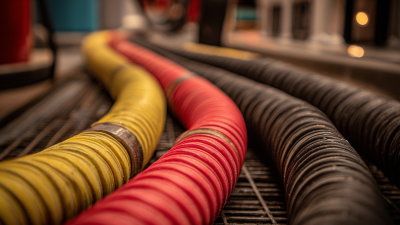
Water suction rubber hoses are essential in various industries. They are designed to efficiently transport water and other liquids. Their flexibility and durability make them ideal for demanding environments. Many sectors rely on these hoses to ensure smooth operations.
In construction, water suction hoses play a crucial role. They help in removing excess water from excavation sites. This prevents flooding and provides a dry workspace. Similarly, in agriculture, these hoses facilitate irrigation. They effectively draw water from streams or ponds, allowing farmers to water crops efficiently.
Marine applications also benefit from these hoses. They help in transferring water on ships and many offshore platforms. However, challenges exist. Proper maintenance is crucial. Regular checks and replacements can prevent leaks and ensure longevity. Understanding these factors can enhance the effectiveness of water suction rubber hoses in various settings.
Water Suction Rubber Hose - Common Applications in Various Industries
Maintenance Tips for Ensuring Longevity of Water Suction Hoses
Water suction hoses are essential in various industries. To ensure their longevity, proper maintenance is key. Regular inspections help identify early signs of wear. Look for cracks or abrasions on the hose surface. A visual check can prevent unforeseen failures.
Cleaning after each use is crucial. Any debris can wear down the material over time. Use fresh water for cleaning. Avoid harsh chemicals that could degrade the hose. Proper storage is equally important. Store hoses in a cool, dry place. This prevents exposure to extreme temperatures. Coiling hoses loosely helps avoid kinks or bends.
Inspect fittings regularly, too. Loose connections can lead to leaks. Tighten them as needed, but don’t overtighten. Being attentive to these details can extend the lifespan of your water suction hose. Reflect on how often you perform these checks. Regular maintenance not only ensures better performance but also saves money in the long run.
What is Water Suction Rubber Hose and Its Best Uses? - Maintenance Tips for Ensuring Longevity of Water Suction Hoses
| Aspect |
Details |
| Material Composition |
Rubber, Reinforced with Synthetic Fiber |
| Common Uses |
Irrigation, Construction, Mining, Wastewater Management |
| Temperature Range |
-20°C to 60°C (-4°F to 140°F) |
| Diameter Options |
1 inch to 12 inches |
| Maintenance Tips |
Store in cool, dry place; avoid exposure to direct sunlight; regular checks for wear and tear. |
| Lifespan |
5 to 10 years, depending on usage and maintenance |
| Benefits |
Flexibility, Durability, High Abrasion Resistance |
Factors to Consider When Selecting the Right Water Suction Rubber Hose
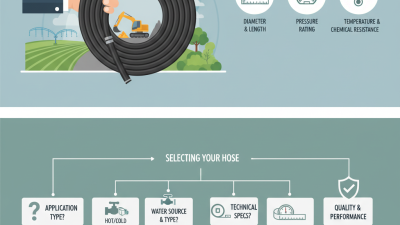
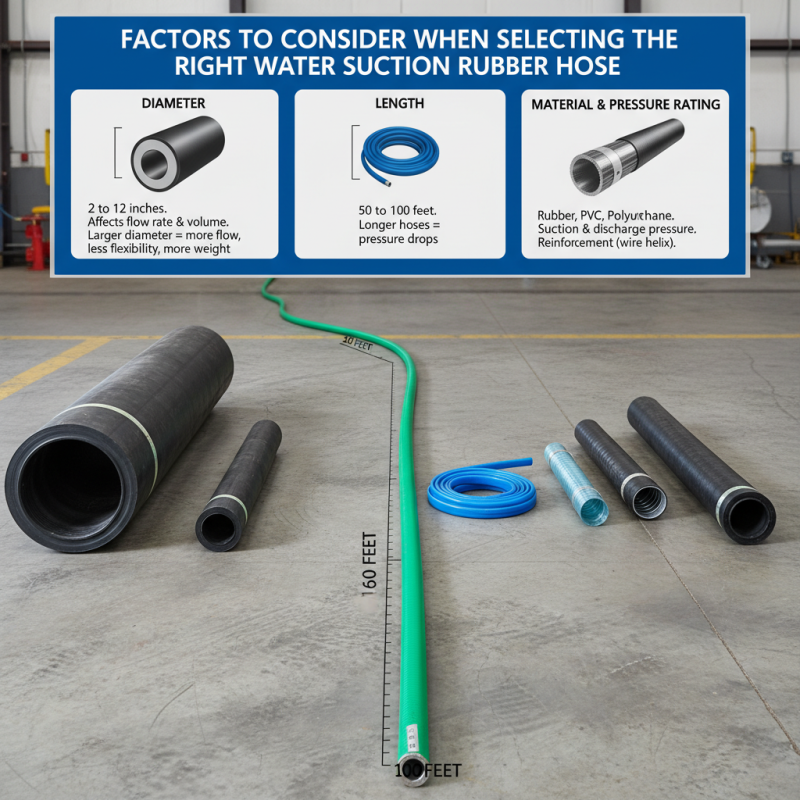
When selecting a water suction rubber hose, several factors come into play. The hose's diameter is crucial. Industry standards indicate a range from 2 to 12 inches, affecting flow rate and volume. A larger diameter increases the water flow, but it may add weight and decrease flexibility. Consider the length as well; longer hoses may create pressure drops. The typical range varies from 50 to 100 feet.
Material composition matters greatly. High-quality rubber ensures durability and resistance to wear. Reports suggest that hoses made from high-grade synthetic rubber can last up to 10 years under normal conditions. This longevity often outweighs the initial cost. It's also essential to check a hose’s suction rating, which indicates its ability to draw water effectively. A minimum suction rating should be 29 inches of mercury, particularly for industrial use.
Another aspect is temperature tolerance. Some hoses are better suited for hot water applications. Ensure compatibility with your specific use case. Flexibility is vital; a stiff hose can lead to operational challenges. Balancing these factors will lead to optimal performance. Regular inspection and maintenance are also key to longevity and safety.