2026 Best Flexible Silicone Hose Options for Global Buyers?
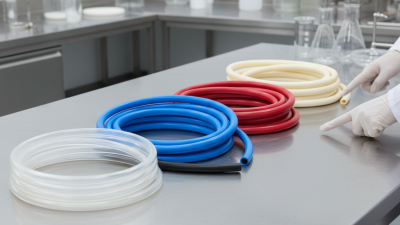
In the ever-evolving world of industrial materials, Flexible Silicone Hose stands out for its versatility. These hoses are vital in various applications, ranging from automotive to medical fields. They offer excellent durability and resistance to temperature fluctuations.
However, not all Flexible Silicone Hose products are created equal. Buyers must consider factors such as flexibility, heat resistance, and compatibility with various fluids. Choosing the right hose can be daunting. Some customers report issues with hose brittleness. Others face difficulties in finding suitable lengths and fittings. Knowledge and experience play a crucial role in making informed purchasing decisions.
As global buyers seek the best options for 2026, understanding the nuances of Flexible Silicone Hose is essential. This guide aims to shed light on top products available. It will help customers navigate this complex market effectively. With the right insights, selecting hoses that meet various specifications becomes a manageable task.

Overview of Flexible Silicone Hose: Definition and Applications
Flexible silicone hoses are crucial in many industries. They are made from high-quality silicone, offering durability and versatility. Their elasticity allows them to withstand high temperatures and pressures, making them ideal for automotive, food processing, and medical applications. These hoses are resistant to ozone, UV light, and various chemicals, enhancing their longevity.
Choosing the right flexible silicone hose can be challenging. Consider the specific needs of your project. The size, temperature range, and type of fluid or gas being transported are vital factors. Researching materials and applications can lead to better decision-making. Tips: Always check for compliance with industry standards.
In manufacturing, silicone hoses can make a noticeable difference. For example, using a custom-made hose can improve flow efficiency. However, not every hose suits every application, so testing different options is essential. Be open to feedback and adjustments during initial installations. Tips: Regular maintenance checks can prevent unexpected failures.
2026 Best Flexible Silicone Hose Options for Global Buyers
Key Features to Consider When Choosing Flexible Silicone Hoses
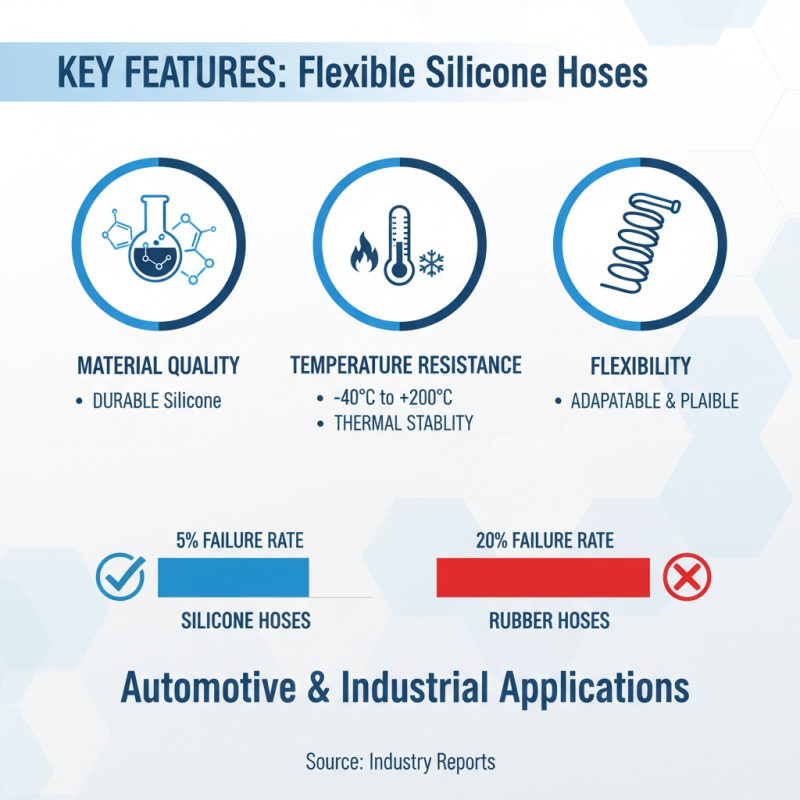
When selecting flexible silicone hoses, it's crucial to consider their key features. The material quality, temperature resistance, and flexibility are top priorities. Silicone hoses are known for their durability and can typically withstand a temperature range of -40°C to +200°C. This thermal stability is essential for various applications, especially in automotive and industrial sectors. Industry reports indicate that silicone hoses have a lower failure rate compared to rubber counterparts, often cited at 5% versus 20%, demonstrating their reliability.
Moreover, the hose's pressure rating significantly impacts performance. Most flexible silicone hoses can handle pressures up to 30 psi, but some specialized versions exceed 50 psi. Buyers must also evaluate the hose's compliance with industry standards, such as FDA or RoHS certifications. These certifications ensure safety and help in maintaining product integrity in sensitive environments. Some users might overlook these features, which could lead to unexpected failures and costly downtimes.
Another aspect to reflect on is the installation process. Many flexible silicone hoses require specific fittings. Choosing the wrong size may compromise the connection's integrity. Simple miscalculations can lead to leaks, inefficiencies, and potential equipment damage. Additionally, ensuring compatibility with existing systems can be challenging. Overall, while flexible silicone hoses present many advantages, careful consideration of these features is necessary for optimal performance.
Top 2026 Flexible Silicone Hose Options for Diverse Industrial Needs
In 2026, flexible silicone hoses are essential for various industries. Their versatility makes them suitable for diverse tasks, from automotive applications to food processing. These hoses can withstand extreme temperatures, making them reliable in both hot and cold environments. Their flexibility allows for easy installation and adaptability, which is crucial in tight spaces.
For manufacturing industries, selecting the right silicone hose is key. The material's durability contributes to longer service life, reducing maintenance needs. However, not all options perform equally. Some may not resist certain chemicals or environmental factors. It's crucial to evaluate each option based on specific requirements rather than a one-size-fits-all approach.
Finding the ideal hose is often a trial-and-error process. Many buyers face challenges in balancing price with quality. It's easy to be drawn to lower-cost options, yet they may not deliver optimal performance. Regular assessments and adjustments can lead to better outcomes in hose selection. Understanding the unique needs of an application is vital for success.
Global Suppliers: Where to Source Quality Flexible Silicone Hoses
When sourcing high-quality flexible silicone hoses, global suppliers play a crucial role. The right supplier can provide a variety of designs, materials, and sizes to meet specific needs. Researching the supplier’s reputation is essential. Look for certifications and customer reviews. This information will help you trust your source.
Finding reliable suppliers is not always straightforward. Some companies might promise high quality but deliver subpar products. It is essential to insist on product samples before committing to larger orders. Inspect the samples carefully for durability and flexibility. This extra step can save time and money in the long run.
Tips: Pay attention to minimum order quantities and lead times. Understand the terms and conditions regarding shipping and returns. Establishing a good relationship with suppliers can also pave the way for better deals in the future. Remember to engage in clear communication to avoid misunderstandings. Do not hesitate to ask questions about sourcing practices and material specifications.
Maintenance Tips for Prolonging the Life of Silicone Hoses
Silicone hoses are popular for their flexibility and durability. To maximize their lifespan, proper maintenance is essential. Regularly inspect your hoses for any signs of wear or damage. Cracks and abrasions can quickly lead to bigger issues, such as leaks. Keep an eye on the fittings and connections; these areas are often the most vulnerable.
Cleaning your silicone hoses is equally important. Use warm water and mild soap to remove dirt and debris. Avoid abrasive cleaners that can degrade the material over time. Additionally, ensure hoses are kept away from extreme temperatures and unnecessary pressure. Over time, even the best products face wear, so being proactive can save money and hassle.
Storing silicone hoses properly can also enhance their longevity. Keep them in a cool, dry place away from direct sunlight. Avoid bending them sharply, as this can weaken their structure. When connecting hoses, ensure they fit snugly without excessive force. Each of these small steps contributes to better performance and durability. Regular attention can prevent premature failures and may highlight areas for improvement in your maintenance routine.
2026 Best Flexible Silicone Hose Options for Global Buyers
| Hose Type |
Temperature Range (°C) |
Inner Diameter (mm) |
Length Available (m) |
Recommended Use |
| Standard Silicone Hose |
-60 to +200 |
6 - 102 |
1 - 5 |
Automotive & HVAC |
| Reinforced Silicone Hose |
-60 to +180 |
10 - 150 |
2 - 10 |
Industrial & Food Processing |
| Silicone Vacuum Hose |
-70 to +230 |
12 - 100 |
1 - 3 |
Laboratory & Aerospace |
| High-Temperature Silicone Hose |
-60 to +300 |
8 - 60 |
1 - 6 |
Automotive Exhaust Systems |
| Silicone Radiator Hose |
-40 to +150 |
25 - 75 |
1 - 4 |
Cooling Systems |