Best Fluorosilicone Hose Options for Global Buyers?
Fluorosilicone hoses are essential components in various industries, particularly in aerospace and automotive sectors. According to a recent market analysis by Technavio, the global fluorosilicone hose market is expected to grow significantly, driven by demand for high-performance materials. With their ability to withstand harsh environments, these hoses are preferred for critical applications.
Dr. Emily Carter, a leading expert in polymer science, states, "Fluorosilicone hoses offer unparalleled durability, which is crucial for ensuring safety and efficiency." This highlights the importance of selecting the right products for high-stake environments. Many buyers may wonder which options stand out in quality and performance.
While there are several products on the market, not all fluorosilicone hoses are created equal. Many manufacturers promise high performance but fall short on durability. It's vital for buyers to conduct thorough research and consider expert recommendations when choosing the best options. Ultimately, the selection of a high-quality fluorosilicone hose can significantly impact operational reliability and safety.
Overview of Fluorosilicone Hoses and Their Applications
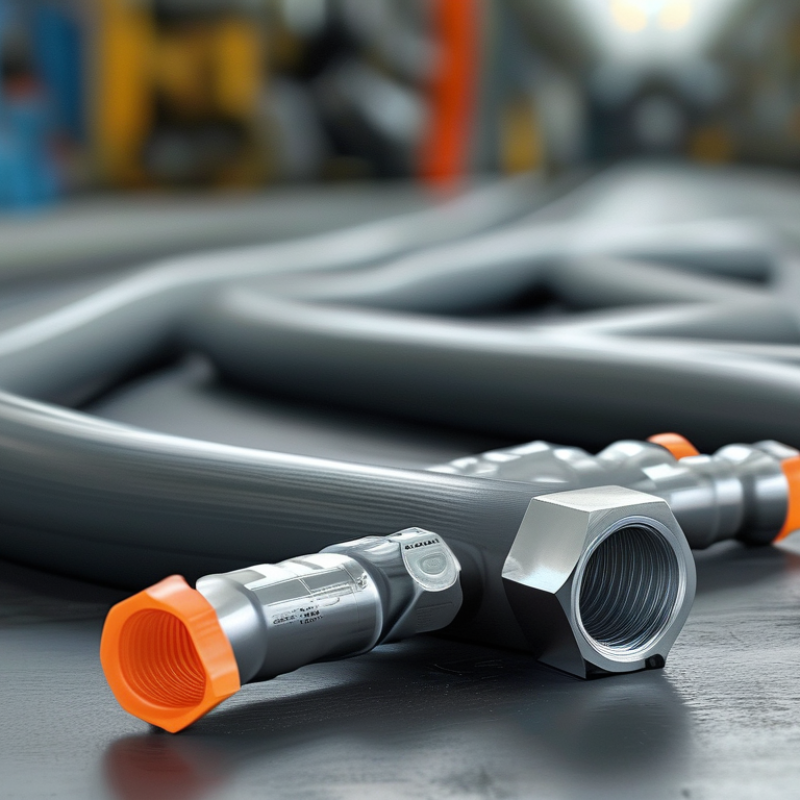
Fluorosilicone hoses are specialized tubing designed for various industrial applications. They provide excellent resistance to fuels, oils, and extreme temperatures. The materials used in these hoses allow them to maintain flexibility and strength. In the aerospace, automotive, and manufacturing industries, the demand for these hoses is rising due to their durability. A report by MarketsandMarkets estimates the global fluorosilicone hose market will grow at a CAGR of 5.2% through 2025.
In addition to the chemical resistance, fluorosilicone hoses can withstand temperature ranges from -65°F to 500°F. This makes them suitable for diverse applications beyond automotive, including chemical processing and oil rigs. Their lightweight nature and low permeability add to their appeal. However, the manufacturing process is both intricate and costly, leading to varying quality standards. Buyers should be cautious about the source of their hoses.
**Tip:** Always verify the certifications and testing standards for fluorosilicone hoses before purchasing. Quality can directly impact performance and safety.
It is essential to reflect on the environmental impact of fluorosilicone materials. The disposal and recycling processes are not straightforward. Ensuring that these hoses are used efficiently can mitigate some ecological risks associated with their lifespan. Always consider solutions to reduce waste in your operations.
Best Fluorosilicone Hose Options for Global Buyers
| Hose Type |
Diameter (mm) |
Max Temperature (°C) |
Working Pressure (bar) |
Applications |
| Standard Fluorosilicone Hose |
25 |
200 |
10 |
Automotive fuel lines |
| Reinforced Fluorosilicone Hose |
30 |
260 |
15 |
Aerospace applications |
| Silicone/Fluorosilicone Composite Hose |
20 |
150 |
8 |
Oil and chemical transfer |
| High-Temperature Fluorosilicone Hose |
40 |
300 |
20 |
Marine engines |
| Low-Pressure Fluorosilicone Hose |
50 |
120 |
5 |
Vacuum applications |
Key Benefits of Using Fluorosilicone Hoses in Various Industries
Fluorosilicone hoses are gaining traction across various industries for their unique properties. These hoses offer excellent resistance to extreme temperatures and various chemicals. This makes them ideal for sectors such as aerospace, automotive, and oil and gas. Their ability to withstand harsh environments enhances equipment longevity. Many industries benefit from reduced maintenance costs and improved safety.
Another key advantage lies in their flexibility. Fluorosilicone hoses can bend and twist without compromising flow. This is crucial in applications where space is limited. Their design allows for easy integration into existing systems. Yet, some users may find them pricier than standard silicone hoses. This could lead to a hesitance in initial investments. However, the long-term benefits often justify the costs.
Durability is another crucial aspect. These hoses can endure pressures that standard hoses cannot. In high-stress situations, having reliable materials is essential. Despite these advantages, it’s vital to consider the specific requirements of your application. In some cases, other materials might perform better. Analyzing your needs ensures the best choice for your project.
Best Fluorosilicone Hose Options for Global Buyers
Criteria for Selecting the Best Fluorosilicone Hoses
When selecting the best fluorosilicone hoses, there are several key criteria to consider. Durability is paramount. These hoses must withstand harsh environments and extreme temperatures. Look for hoses with high resistance to chemicals and UV exposure. This ensures a longer lifespan and reliable performance.
Flexibility is another important factor. A good fluorosilicone hose should bend easily without kinking. This quality aids in installation and maintenance. Consider the diameter and length as well, ensuring it fits your needs precisely.
Lastly, seek out suppliers with a good reputation. Their experience can provide valuable insights into quality and reliability. Customer reviews and industry certifications can also guide your choice. Reflecting on these points may reveal that not all hoses meet the same standards. Ultimately, making an informed choice will lead to better performance in the long run.
Top Manufacturers and Suppliers of Fluorosilicone Hoses Worldwide
Fluorosilicone hoses are essential in many industries. They offer excellent heat and chemical resistance. Buyers worldwide look for reliable manufacturers to ensure quality. Various suppliers provide a range of options suitable for different applications. Buyers should consider several key factors when choosing a supplier.
The manufacturing process and materials used are critical. Top manufacturers often utilize advanced technology. They ensure durability and performance, but not all suppliers meet these standards. It is important to request samples and perform quality checks. Some manufacturers may have inconsistent product quality. Buyers might need to invest time in researching and validating suppliers in their region or sector.
Global suppliers often showcase their expertise at trade shows. Networking events provide opportunities to connect with leading manufacturers. While this may seem straightforward, finding the right partner can be time-consuming. Potential buyers should thoroughly assess their needs and specifications. Establishing a relationship built on transparency can lead to better outcomes in the long term. Buyers might encounter challenges in sourcing the right fluorosilicone hoses, but the effort is often worthwhile.
Market Trends and Innovations in Fluorosilicone Hose Technology
The fluorosilicone hose market continues to evolve, showcasing remarkable innovations. These hoses are designed to withstand extreme temperatures and resist chemicals. Their flexibility is an essential feature that appeals to various industries, particularly aerospace and automotive. As global buyers seek reliable options, manufacturers are focusing on enhancing durability and performance. Newer production methods reduce costs and improve quality.
Recent trends indicate a shift toward eco-friendly materials. Many buyers are looking for sustainable alternatives. This shift reflects a growing awareness of environmental issues. However, some manufacturers struggle to balance sustainability with performance. R&D efforts are expanding, but solutions can be complex. The industry faces pressure to innovate while adhering to stringent regulations.
Integrating smart technology into hoses is another emerging trend. Sensors can monitor pressure and temperature in real-time. This advancement enhances safety and efficiency. Yet, the challenge lies in the added complexity of these systems. Users may encounter difficulties in installation and maintenance. Education and training are vital to help overcome these barriers.