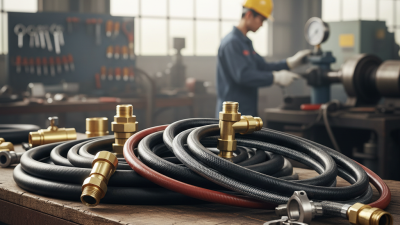
What is the Best Rubber Hose for Heat Resistance?
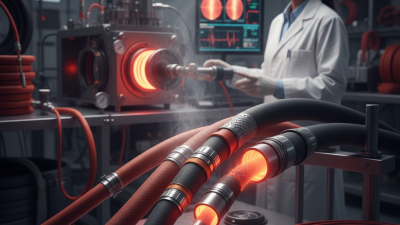
In industrial applications, the understanding of "Rubber Hose Heat Resistance" is crucial. The need for hoses that can withstand high temperatures is growing. According to industry reports from the Rubber Manufacturers Association, over 40% of all rubber hoses are used in high-heat environments. This statistic highlights the importance of selecting the right product to ensure safety and efficiency.
When choosing a rubber hose, consider the material composition. Different rubbers have varying heat resistance levels, which can significantly impact performance. For instance, silicone hoses can tolerate temperatures up to 500°F, whereas standard rubber may falter at 200°F. Failure to choose wisely can lead to leaks and bursts, causing costly downtime.
Moreover, the rubber hose must maintain flexibility even at elevated temperatures. A rigid hose can create problems or even hazards. Product testing and specifications are essential. Relying solely on manufacturer claims could mislead users. Judicious evaluation of heat resistance can prevent accidents and improve system longevity. Therefore, understanding heat resistance properties of rubber hoses is not just a preference but a necessity.
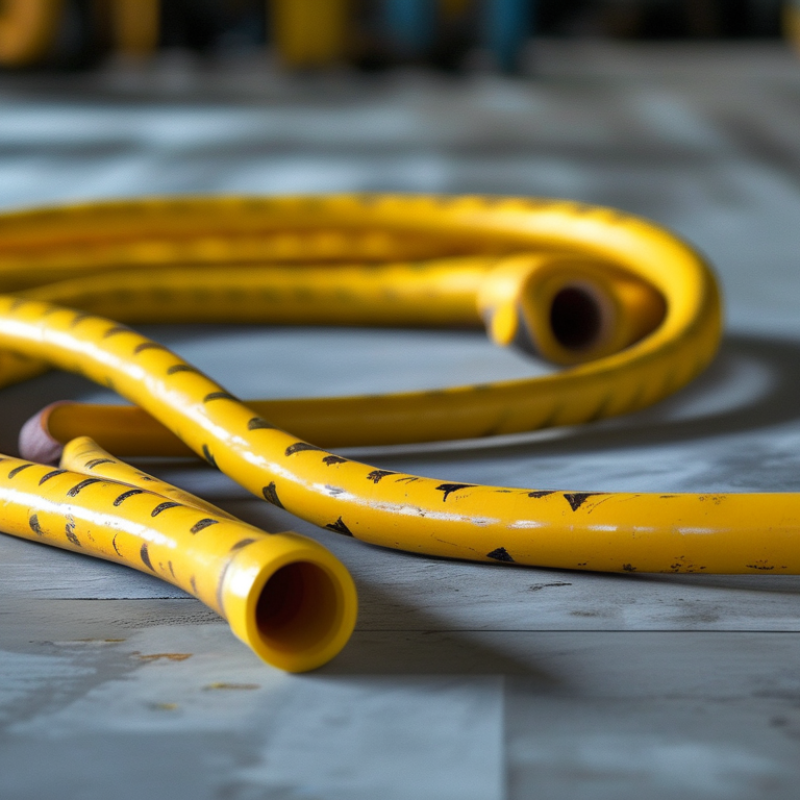
Types of Rubber Hoses with Heat Resistance Properties
When selecting rubber hoses for heat resistance, various types stand out due to their unique properties. High-temperature silicone hoses are particularly notable for their remarkable flexibility, making them ideal for applications requiring both durability and heat resistance. According to industry reports, these hoses can withstand temperatures up to 500°F (260°C). This capability is essential for automotive and industrial applications where exposure to extreme heat is common. Silicone's inherent resilience also allows for a longer lifespan, reducing the frequency of replacements.
EPDM (Ethylene Propylene Diene Monomer) is another excellent choice. This type of rubber hose offers superior resistance to heat, ozone, and weathering. EPDM hoses can operate efficiently in environments with temperatures reaching 300°F (150°C). However, challenges remain. While EPDM is versatile, it may not handle certain chemicals as well as other materials, potentially leading to premature wear in specific settings. The right balance between heat resistance and compatibility with the intended medium is crucial for maximizing performance.
Thermoplastic rubber (TPR) is also worth mentioning. It combines the properties of both rubber and plastic. TPR hoses can endure moderate heat while providing flexibility and resilience. Nonetheless, they may not perform well under high temperatures consistently. Industry data suggests that TPR becomes soft at temperatures above 200°F (93°C). Understanding the specific requirements and limitations of each type will help in making the best choice for your applications.
Heat Resistance Properties of Different Types of Rubber Hoses
Factors Affecting Heat Resistance in Rubber Hoses
When selecting rubber hoses for heat resistance, several factors come into play. The composition of the rubber itself is crucial. Different types of rubber, such as EPDM or silicone, exhibit varying levels of heat tolerance. Understanding these materials helps in choosing the right hose for specific applications. For example, while silicone rubber can withstand higher temperatures, EPDM offers better exposure to the elements.
Moreover, the wall thickness of the hose influences its ability to resist heat. Thicker walls can provide superior insulation, reducing heat transfer. Conversely, a thinner wall may heat up quicker, leading to potential failure in high-temperature scenarios.
Temperature range ratings are another essential aspect. Check the manufacturer's specifications for limits on heat resistance. Ensure the hose will perform effectively under your specific conditions.
Environmental factors should not be overlooked. Direct sunlight, chemicals, and pressure can affect heat resistance over time. Regular inspections can help identify any weakness in the hose before it fails. It is important to consider real-world conditions rather than just theoretical ratings. Balancing durability and flexibility becomes a challenge in many situations. Achieving the perfect hose requires constant evaluation of materials and performance.
Applications of Heat-Resistant Rubber Hoses in Industry
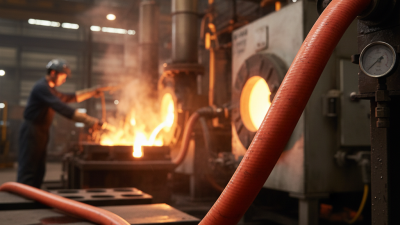
Heat-resistant rubber hoses play a vital role in various industrial applications. In sectors like automotive and manufacturing, these hoses transport hot liquids and gases. Their ability to withstand high temperatures ensures operational efficiency and safety. For instance, in an automotive setting, they are crucial for cooling systems and exhaust applications.
Moreover, heat-resistant hoses are used in food processing. The need for safe food transportation cannot be overstated. These hoses must handle high-temperature steam without compromising the integrity of the food. It's a delicate balance of safety and performance. Many facilities scrutinize the effectiveness of their hoses, often leading to adjustments in their processes.
Despite their benefits, challenges remain. Not every heat-resistant hose performs as expected in all conditions. Businesses may need to reassess their hose choices. This reflection can lead to improved safety standards and better equipment performance. Choosing the right hose isn't just about materials; it's about understanding the specific demands of each application. Refining these choices can result in significant operational enhancements.
Comparison of Popular Heat-Resistant Rubber Hose Brands
When choosing a heat-resistant rubber hose, understanding brand differences can guide your decision. Many brands claim durability under high temperatures, but not all live up to expectations. A careful comparison shows significant variations in performance. Some hoses may last longer, while others may crack or fail sooner under heat.
Temperature ratings are crucial. Look for hoses specifically designed for high-heat applications. A hose rated for higher temperatures is a better choice for demanding environments. Consider the materials used; synthetic rubbers often outperform natural ones in heat resistance. However, quality varies, leading to unexpected outcomes.
User experiences also matter. Reviews often highlight issues like degradation over time or reduced flexibility. Some hoses perform well initially but fail under constant exposure. It’s beneficial to seek insights from those who have used the products in real-life scenarios. Reflecting on these factors can help you identify the most reliable options for your needs.
Maintenance Tips for Ensuring Longevity of Heat-Resistant Hoses
Maintaining heat-resistant hoses is crucial for efficiency and safety in high-temperature applications. Regular inspections help identify wear and deformation. Look for cracks or discoloration, which may indicate heat damage. Replace hoses that show signs of deterioration. This simple step can prevent serious accidents.
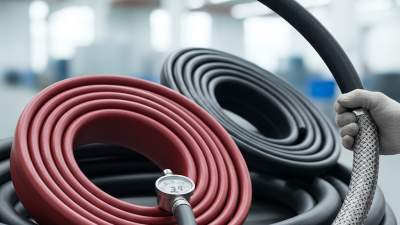
Cleaning is another vital aspect of maintenance. Use mild soap and water to remove debris. Avoid harsh chemicals, as they can degrade rubber. After cleaning, thoroughly dry the hose. Storing hoses properly is essential too. Coiling them without kinks helps maintain their structure. Keep them in a cool, dry place, away from direct sunlight.
Consider the environment where the hoses are used. Extreme temperatures and chemicals can shorten hose life. Seek options designed to withstand specific conditions. Documenting maintenance activities can also be beneficial. This habit helps track hose performance over time. Identifying patterns in damage can guide future decisions and improve reliability.