Best Rubber Water Hose Buying Guide for Importers Worldwide?
In recent years, the demand for Rubber Water Hose has surged globally. The global market for rubber hoses is expected to reach USD 12.3 billion by 2027, according to a recent industry report. This growth reflects the increasing need for durable and flexible solutions in various applications, from agriculture to industrial sectors. Importers must understand the unique characteristics and advantages offered by rubber water hoses.
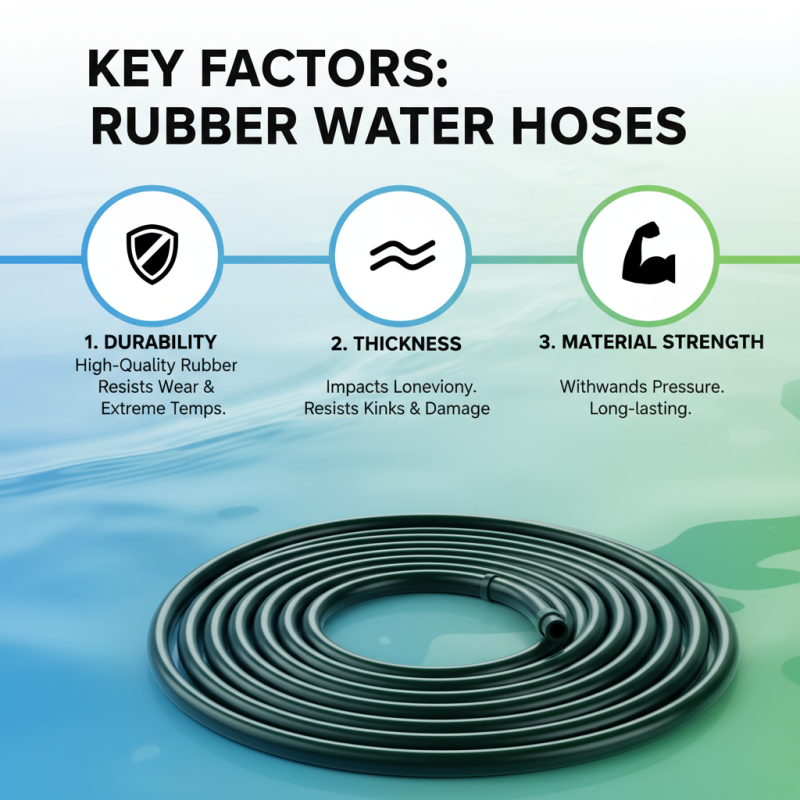
Quality is a crucial factor to consider when selecting a rubber water hose. A low-quality product may lead to leaks or blowouts, especially under high pressure. According to industry experts, up to 30% of hoses fail prematurely due to material degradation. Importers need to evaluate each product's specifications, including temperature resistance and flexibility, to make informed purchasing decisions. Additionally, price fluctuations in raw materials can affect the final cost, requiring careful supplier assessments.
However, not all rubber hoses are created equal. Some may advertise high performance but fail in real-world conditions. It's important to look at customer reviews and test results. This diligence can prevent costly mistakes. In the end, aligning quality with budget will ensure a competitive advantage in the marketplace. Importers must stay educated to navigate this evolving industry effectively.

Understanding Rubber Water Hose Types for Importers
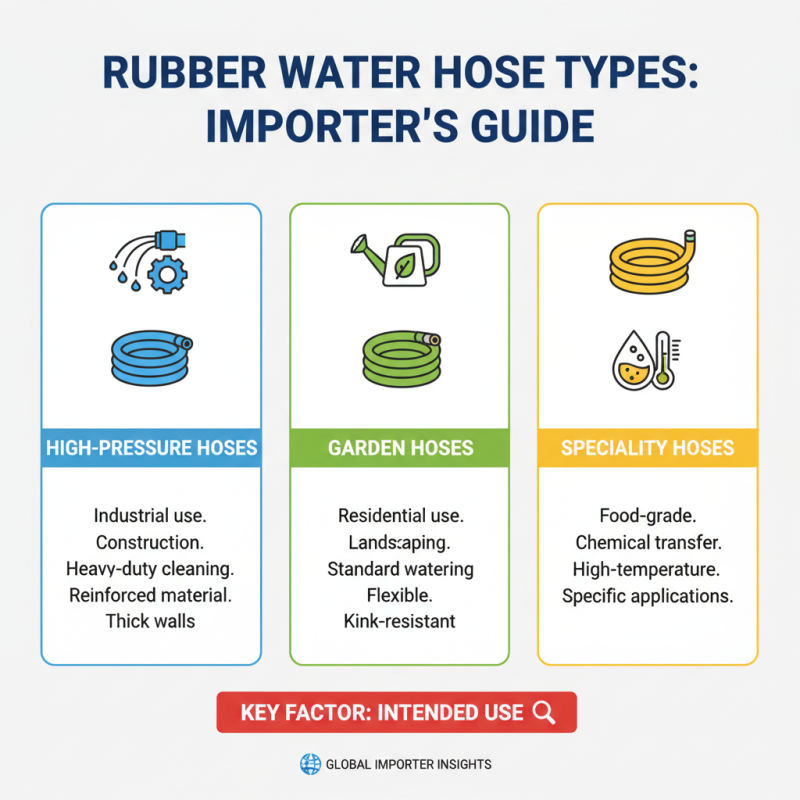
When it comes to rubber water hoses, variety is key. Various types cater to different needs in both residential and industrial settings. Importers must understand these differences to make informed decisions. For instance, some hoses are designed for high-pressure applications. Others are more suited for garden watering. Knowing the specific use will guide buyers in selecting the right type.
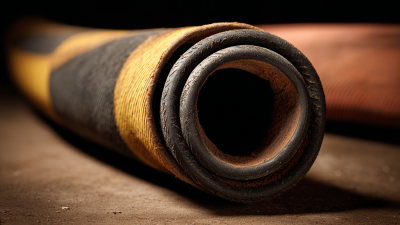
Consider the thickness and flexibility of the hose. A thicker hose often provides greater durability but can be harder to handle. In contrast, a thinner hose may be easier to maneuver but might wear out quicker. It's essential to balance these factors based on the intended usage.
Tips: Always check the specifications carefully. Look for hoses featuring reinforced layers for extra strength. If you face challenges with kinking, explore options designed to prevent this issue. Take time to sample different hoses. This helps in understanding personal preferences and usage scenarios better. Engaging with suppliers can enhance your knowledge about these products and improve your import decisions.
Quality Standards and Certifications for Rubber Hoses
When choosing rubber hoses, quality standards and certifications are crucial. These indicators help ensure that the product meets safety and performance requirements. Look for hoses that comply with industry benchmarks such as ISO, ASTM, or SAE. These certifications reflect reliable manufacturing practices.
Manufacturers often utilize various testing methods to verify compliance. Pressure tests, temperature endurance, and material analysis are common procedures. Such tests confirm the hose's ability to withstand different environmental conditions. A hose that passes these tests is likely to perform better in real-world scenarios.
Tips: Always request certification documents from suppliers. This will aid in assessing their credibility. Consider the specific application of your hose. Different scenarios may require different specifications, which can complicate the purchasing process. Make informed choices by balancing quality and cost. Evaluate the supplier’s history and customer reviews to ensure reliability.
Best Rubber Water Hose Buying Guide for Importers Worldwide
| Dimension |
Material |
Certification Standards |
Temperature Range (°F) |
Working Pressure (PSI) |
| 1/2 inch |
EPDM Rubber |
ISO 9001 |
-20 to 160 |
300 |
| 3/4 inch |
Natural Rubber |
FDA Approved |
-20 to 150 |
400 |
| 1 inch |
Nitrile Rubber |
UL Listed |
-20 to 180 |
450 |
| 5/8 inch |
PVC Rubber Blend |
REACH Compliant |
-10 to 145 |
350 |
| 3/8 inch |
Synthetic Rubber |
RoHS Compliant |
-4 to 140 |
250 |
Top Manufacturers and Suppliers of Rubber Water Hoses Worldwide
When considering the best rubber water hoses, it’s essential to recognize the top manufacturers and suppliers worldwide. Many companies offer high-quality hoses with various features. Look for suppliers that have a robust reputation in the industry. Doing so helps ensure you receive durable and dependable products.
One key factor is the material quality. Rubber hoses can vary significantly in thickness and flexibility, affecting their overall performance. High-quality hoses are usually reinforced to prevent kinking, which can lead to reduced water flow. Inspect options in depth. Pay attention to user reviews and feedback to gauge their reliability.
Tips: Always check for certifications when selecting suppliers. Certifications indicate compliance with safety and quality standards. Request samples before making a large order. This gives you a chance to test the hose’s performance in real conditions. Consider direct communication with suppliers to build a relationship and ensure expectations are clear.
Cost-effective Strategies for Importing Rubber Water Hoses
When importing rubber water hoses, cost-effective strategies are essential for success. Industry data shows that the global rubber hose market reached $5.9 billion in 2022 and is expected to expand at a compound annual growth rate (CAGR) of 3.5% through 2030. Importers can benefit from understanding market trends and demand patterns.
Choosing the right suppliers is critical. Research reveals that quality control from manufacturers significantly impacts customer satisfaction and sales. Importers should prioritize suppliers with established reputations. This can mitigate risks associated with defective products. It's crucial to examine the production processes and materials used in hoses.
Logistical costs also play a significant role in overall expenses. Reports indicate that shipping costs have surged by over 20% recently. Evaluating different shipping options may reveal more affordable routes. However, compromising on delivery time can occasionally lead to customer dissatisfaction. Balancing cost and quality remains a challenge for many importers. They need to keep in mind that the lowest price might not always equate to the best value. Understanding these dynamics leads to more informed purchasing decisions.