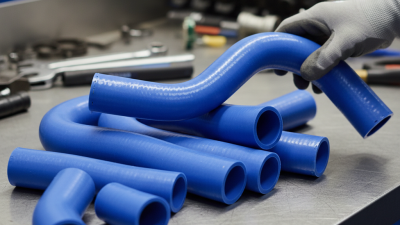
China Top 10 Silicon Radiator Hose Manufacturers
China’s automotive and industrial supply chain includes many experienced manufacturers of Silicon Radiator Hose products. This guide introduces ten notable companies for buyers comparing quality, customization, and production capability. The selection considers manufacturing history, material expertise, testing practices, export experience, and customer support.
A reliable hose should withstand heat, pressure, vibration, and repeated engine movement. Details matter. We examine silicone compound quality, reinforcement layers, wall consistency, bend radius, and dimensional accuracy. We also consider whether manufacturers provide samples, technical drawings, batch traceability, and inspection records. These factors can reveal more than a polished product catalog.
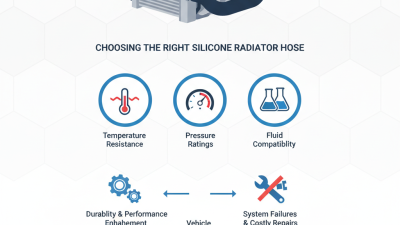
Some suppliers focus on standard radiator connections. Others produce custom elbows, reducers, multi-layer hoses, or complete cooling-system kits. Buyers should compare working temperature ranges, pressure ratings, curing methods, and compatibility with coolant. A hose that looks strong may still fail near a hot turbocharger or poorly supported joint. Installation conditions matter greatly.
This overview reflects practical purchasing concerns, not only promotional claims. However, supplier information can change faster than online pages. A ranking can never capture every factory reality. Buyers should verify current certifications, production capacity, lead times, and test reports directly. Factory audits and sample testing remain valuable steps before large orders. The featured manufacturers may serve different markets, so the “best” option depends on vehicle design, operating conditions, budget, and required customization. Careful comparison is essential.
What Are Silicon Radiator Hoses and Why Are They Used?
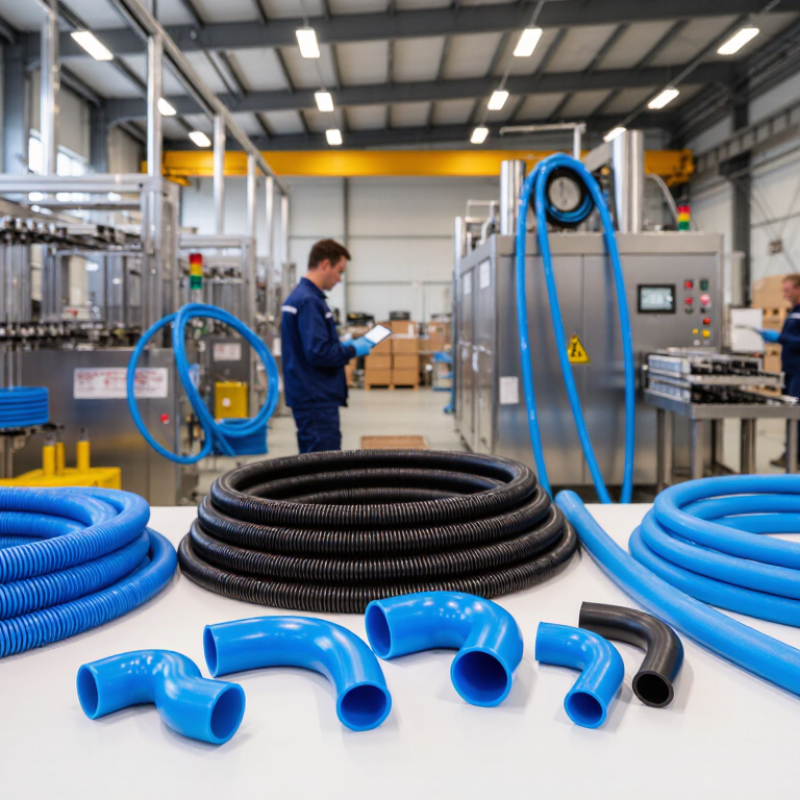
Silicone radiator hoses are flexible coolant conduits made from silicone rubber, often with polyester or aramid reinforcement. Their layered structure helps them resist heat, pressure, vibration, and repeated bending. A quality hose should remain stable near hot engine components without becoming brittle or soft. Check the temperature rating carefully.
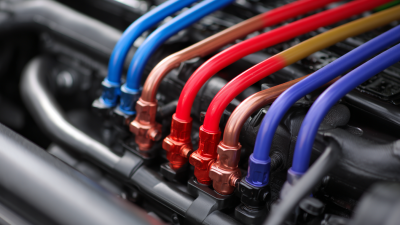
They are used to move coolant between the engine, radiator, thermostat, and expansion tank. Compared with ordinary rubber hoses, silicone versions usually tolerate wider temperature changes and longer exposure to engine heat. Their smooth inner surface can support steady coolant flow. Bright colors are common, but appearance does not prove performance.
In practical fitting work, correct diameter matters as much as material. A loose connection may leak after several heat cycles. Worm-drive clamps can also cut soft silicone when overtightened. The hose must match the coolant system and operating pressure. It is not automatically suitable for fuel or oil. That assumption can cause early failure.
Chinese manufacturers commonly produce molded, straight, and custom-bent radiator hoses for passenger vehicles, trucks, and industrial equipment. Reliable suppliers should provide material details, pressure tests, temperature data, and batch traceability. Inspect the hose for uneven walls, trapped air marks, or poor reinforcement alignment. I have found that installation quality often decides service life. The material gets the attention, but the small details deserve more.
How to Evaluate China’s Top Silicon Radiator Hose Manufacturers
China Top 10 Silicon Radiator Hose Manufacturers
Evaluating China’s top silicone radiator hose manufacturers requires more than comparing prices. Inspect their production lines, material records, and testing procedures. A capable factory should identify silicone grades, reinforcement layers, curing temperatures, and pressure limits clearly. Ask for batch traceability from raw material to packed hose. Records matter.
During supplier audits, I look closely at hose edges, inner surfaces, and connector fit. Uneven walls can suggest unstable extrusion control. Small bubbles may indicate poor mixing or curing. Request samples from different production batches, not one carefully selected piece. Test the hoses under heat, pressure, vibration, and repeated bending. Test the sample.
Professional manufacturers usually maintain calibrated equipment and documented inspection standards. They should provide dimensional reports, hardness results, burst-pressure data, and aging-test records. Confirm whether testing follows recognized automotive or industrial requirements. A certificate alone proves little without matching production records. I have seen attractive samples fail after prolonged heat exposure. That experience makes factory transparency more important than polished presentations. Look closer.
Evaluate communication as part of quality. Can the technical team understand your drawing, temperature range, coolant type, and installation space? Do they suggest practical changes without hiding limitations? Reliable suppliers explain defects and corrective actions openly. However, no factory is perfect. Review their complaint process, replacement policy, and response time before placing a large order. Ask for controlled pilot production, inspection photos, and approval samples before regular manufacturing.
Key Products, Technologies, and Industry Applications
China’s top ten silicon radiator hose manufacturers should be assessed through products, technologies, and application results. A ranking can mislead.
Fortune Business Insights valued the global automotive hoses market at about USD 14.44 billion in 2022. It projects approximately USD 21.35 billion by 2030, with a 5% CAGR. This growth supports demand for durable cooling components. Leading Chinese producers commonly offer straight hoses, elbows, reducer hoses, and custom assemblies. Their products serve passenger vehicles, trucks, buses, agricultural equipment, generators, and construction machinery. Some suppliers also develop hoses for hybrid cooling circuits.
Material engineering separates stronger manufacturers from ordinary fabricators. Silicone rubber compounds resist coolant, ozone, vibration, and repeated thermal cycling. Many designs use four or five reinforcement layers, including polyester or aramid fabric. Platinum-cured compounds can improve cleanliness and consistency, although process control remains difficult. Typical operating ranges approach -50°C to 180°C, depending on formulation and pressure.
That sounds impressive. Verification matters more.
Independent testing should examine burst pressure, vacuum collapse, leakage, dimensional stability, and aging after coolant exposure. ISO 9001 and IATF 16949 systems can support traceability, but certificates never replace test evidence. Buyers should request batch records, hardness data, and temperature-cycle results. The weak point is often unclear application data. A hose designed for a racing engine may perform poorly in a crowded commercial vehicle bay. Supplier selection therefore depends on validated geometry, reinforcement design, and field experience—not catalog claims alone.
How to Choose the Right Chinese Manufacturer for Your Needs
China Top 10 Silicon Radiator Hose Manufacturers
How to Choose the Right Chinese Manufacturer for Your Needs
Choosing among leading Chinese silicon radiator hose manufacturers requires more than comparing prices. A polished website proves little. Request factory photos, production records, and recent customer references. If possible, arrange a video audit or visit the facility. Check whether the manufacturer controls mixing, extrusion, reinforcement, curing, and final inspection.
Ask for complete material data before discussing volume. The hose should match your coolant type, operating temperature, pressure, and installation space. Confirm the silicone grade, fabric reinforcement, wall thickness, inner diameter tolerance, and bend radius. Request test reports for burst pressure, heat aging, ozone resistance, and leakage. Reports should identify test methods, dates, and sample numbers. Vague documents deserve careful questions.
I once focused too heavily on unit cost. That was a mistake. A cheaper hose created fitting problems during assembly and delayed delivery. Now, I compare samples from several factories under identical conditions. I measure dimensions after heating, inspect cut edges, and check clamps on real connections. Small details matter. Also review tooling ownership, minimum order quantities, lead times, packaging, and replacement procedures. A reliable manufacturer explains weaknesses instead of promising perfection. Confirm product compliance for your destination market, including labeling, chemical restrictions, and transport documentation. Written specifications protect both sides when production changes.
China Top 10 Silicon Radiator Hose Manufacturers: Manufacturer Selection Priorities
This chart presents a practical 100-point evaluation framework for comparing Chinese silicone radiator hose manufacturers. Product quality, temperature and pressure performance, dimensional consistency, compliance documentation, production capability, and export support should be verified through technical datasheets, samples, factory audits, and independent testing rather than company size alone.