Choosing the right Elbow Silicone Hose in 2026 starts with the job it must do. A tight bend under a hot engine bay needs different reinforcement from a low-pressure duct with generous clearance. Measure the inside diameter, bend angle, leg lengths, and available space before comparing products. A hose that looks close on a screen may kink once clamped in place.
For this guide, the quoted specialist is a fictional editorial persona, not a real or independently verified source. The original guiding line is: “A good elbow keeps its shape where the installation wants to make it collapse.” That principle points to practical checks: temperature range, operating pressure, reinforcement layers, silicone grade, and compatibility with the fluids or air passing through the hose. Ask suppliers for dimensional tolerances and test information, not just a product photo. Small details matter. A few millimeters can change clamp position or create contact with a nearby bracket.
This outline will help readers compare those details, review common elbow angles, and spot signs of poor fit before installation. It will also consider when a standard part is suitable and when a custom shape deserves closer review. Specifications do not tell the whole story, though; installation space and movement can be easy to underestimate. Verify measurements against the actual assembly, and consult the manufacturer when conditions exceed published limits.
Start with the fluid, not the hose shape. An elbow carrying engine coolant faces different demands from one handling hot charge air. Check the fluid against the hose material’s compatibility data; silicone does not suit every oil or fuel. Small details matter.
Record the normal and peak temperatures, working pressure, and any pressure pulses. If the line experiences suction, check its resistance to vacuum collapse. Measure the connection diameters, elbow angle, and available clearance with the system in place. A hose that fits on a bench may rub against a bracket once installed. It happens.
Consider vibration, movement, and nearby heat sources, too. A tight bend can kink the hose or place strain on its ends, even when the nominal diameter is correct. Check the required bend radius and leave room for clamps and service access. Do not guess. Compare the measurements with technical data, then confirm the setup under realistic operating conditions. Peak values can be easy to overlook, especially when they occur only briefly.
Choosing an elbow silicone hose starts with the fittings, not the old hose’s outside surface. Measure each fitting’s outside diameter with calipers, then match it to the hose’s inside diameter. Check both ends; reducers and stepped fittings can differ. If calipers are unavailable, a ruler gives only a rough estimate. Small errors matter.
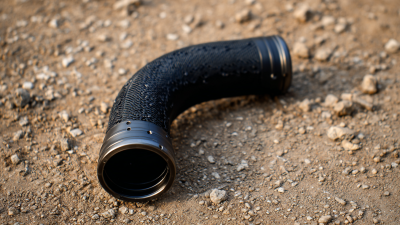
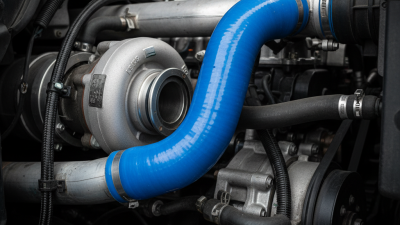
Next, identify the bend angle and radius. A 90-degree elbow may look right on a bench but kink when installed in a tight engine bay. Compare its centerline path with the actual route, including nearby clamps, fan shrouds, and moving parts. Leave room for flex without rubbing. A paper template helps, but it can hide depth changes. Easy to overlook.
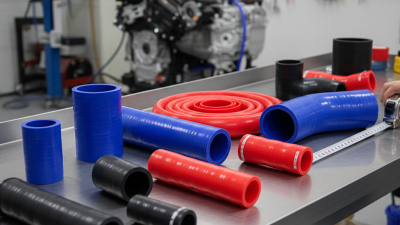
Measure the available space with surrounding components in their normal positions. Record the straight lengths at both ends, the gap between connection points, and clearance around the elbow’s outer curve. Allow room for clamps and tool access; a hose that seals but cannot be tightened is still a poor fit. I would recheck the angle after trial placement, since crowded spaces make measurements easy to misread. Confirm the hose’s temperature and pressure ratings against the system specifications; silicone construction alone does not guarantee compatibility.
Choosing an elbow silicone hose starts with the environment, not its color or appearance. Standard silicone handles wide temperature swings and stays flexible, but it is generally a poor choice for continuous contact with fuel, oils, or many solvents. For those fluids, check whether a compatible fluorosilicone liner or another specified construction is required. Verify the actual compound against the fluid, temperature, and exposure time. “Heat-resistant” alone is not enough.
Reinforcement should match the system’s pressure and movement. Polyester fabric can suit many moderate-pressure applications, while stronger textile reinforcement may be specified for higher loads. Suction lines need separate attention: a hose can look sturdy and still collapse under vacuum, so consider wire reinforcement where the design calls for it. Check the working-pressure rating at operating temperature, not just at room temperature. That detail matters.
The elbow shape also affects service life. A tight bend can flatten the inner wall, restrict flow, and concentrate stress near the ends. Measure the available space, bend radius, and connection diameters before ordering. Then inspect for rubbing points, nearby heat sources, and engine movement. Small oversights happen. I would still recheck the fit after installation, because a hose that clears when cold may shift once the system runs.
An elbow silicone hose must handle more than a tight turn. Compare its pressure rating with the system’s normal operating pressure and any brief surges during startup or valve changes. A hose that fits neatly may still be unsuitable. Allow margin.
Temperature ratings usually distinguish continuous service from short-term exposure. Check the temperatures near the hose, not just the engine or equipment’s average reading. Heat can soften silicone, while cold can reduce flexibility. Repeated cycles matter, too. A rating on paper does not show every condition in your installation.
Fluid compatibility deserves equal attention. Silicone works well in some air and coolant applications, but it is not suitable for every oil, fuel, or chemical. Check the hose maker’s compatibility data for the exact fluid and concentration. Check the actual fluid. I have learned to treat general charts as a starting point, not a guarantee; real mixtures and contamination can change performance. Also inspect the bend radius and clamp position, since a sharp kink can restrict flow or create stress. When the application is unusual, confirm the ratings with the supplier and test the assembly under controlled conditions before relying on it.
The chart shows a commonly cited typical operating-temperature range for silicone rubber hose: approximately −50°C to +200°C (−58°F to +392°F). The actual limit depends on the hose compound, construction, exposure time, and application; always confirm the specific product datasheet.
| Selection factor | Practical screening guidance |
|---|---|
| Pressure rating | There is no single pressure rating for silicone elbow hoses. Verify the rated working pressure for the exact hose diameter, wall thickness, reinforcement, temperature, and bend geometry. Do not use burst pressure as working pressure. |
| Hot air and many water-based fluids | Silicone is commonly used for hot air and some water-based applications, but confirm compatibility with the specific fluid, concentration, and operating conditions. |
| Petroleum oils and fuels | Standard silicone is generally a poor choice for prolonged contact with petroleum oils and many fuels. Check for a specifically compatible liner or choose a suitable alternative material. |
| Final verification | Check the manufacturer’s pressure, temperature, and chemical-resistance data for the exact hose assembly before installation. |
Verify the hose against its actual service conditions, not a generic “high-temperature” claim. SAE J20 separates coolant hoses by application class, so confirm the relevant class and operating limits before ordering. Ask for a lot-specific test report with measured Shore A hardness, tensile strength, elongation, and compression set. ASTM D412 covers tensile testing of rubber, while ASTM D2240 covers durometer hardness. These figures help reveal whether a sample matches the specification; a certificate without test values tells you less.
Manufacturing quality shows up in the details: consistent wall thickness around the bend, smooth inner surfaces, cleanly formed ends, and no trapped bubbles or visible cracks. Request dimensional inspection records, batch traceability, and the stated test methods. ISO 9001 certification can indicate a quality-management system, but it does not prove that a particular hose meets your design limits. Check the supplier’s datasheet for temperature, pressure, fluid compatibility, bend radius, and reinforcement details. Then confirm that the supplied sample and production hose use the same construction. This step is easy to overlook.
Tips: Measure the installed elbow, including clearance at the clamps. Ask for test data from the production batch, not only a development sample. If two specifications conflict, pause and clarify them in writing; that small delay may prevent a poor fit.