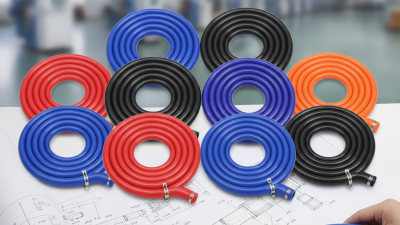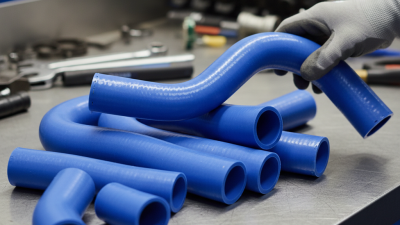
Silicone rubber hoses are essential in various industries. They offer flexibility, durability, and resistance to extreme temperatures. According to industry expert Dr. John Smith, "Silicone rubber hoses are unmatched in performance for critical applications." This reflects the importance of understanding their uses.
In the automotive sector, silicone rubber hoses handle high temperatures and pressures. They are often found in cooling systems and turbocharged engines. These hoses provide reliable performance, yet choosing the right type can be challenging. Not all silicone rubber hoses are created equal.
In food processing, silicone rubber hoses ensure safety and hygiene. They resist bacterial growth and do not alter food flavors. However, the spectrum of silicone rubber hose grades can be confusing. Each application requires careful consideration of specifications and compliance. Awareness of these factors is crucial for optimal performance.
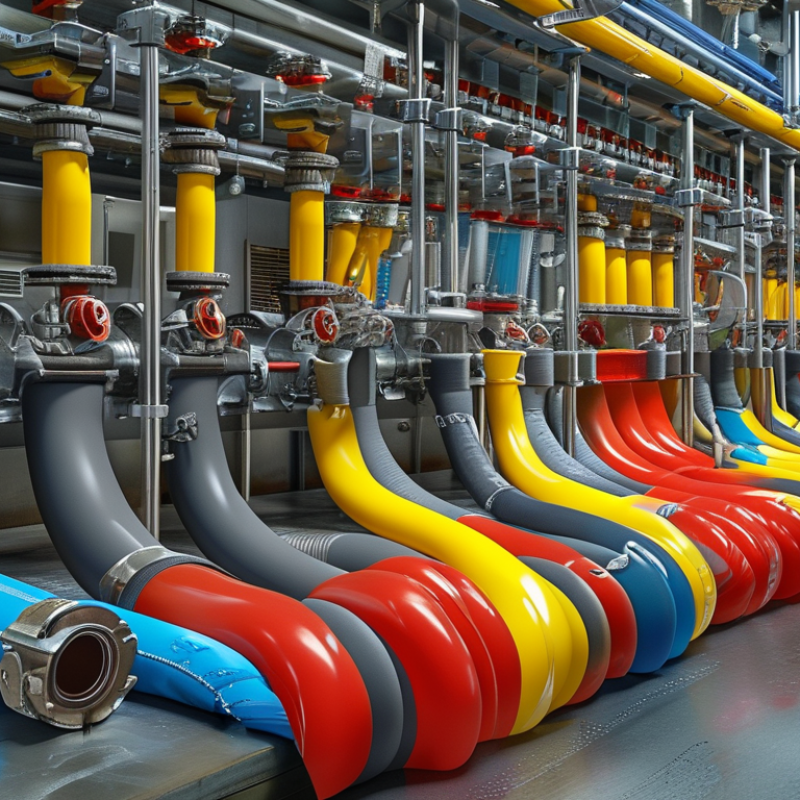
Silicone rubber hoses have become essential in the automotive industry. Their flexibility and resistance to high temperatures make them ideal for various applications. Many vehicles use silicone hoses for coolant transfer. This ensures the engine runs smoothly, even in extreme conditions. Additionally, these hoses are often found in turbo systems. They can withstand the pressure and heat generated during high-performance driving.
Emergency repairs sometimes require rapid solutions. Silicone hoses can serve as temporary fixes, aiding drivers in urgent situations. However, not all silicone hoses are created equal. It’s crucial to choose ones that meet specific industry standards. Quality varies widely, and using subpar materials may lead to leaks or failures. Drivers must stay informed about the options available to ensure safety on the road. Effective maintenance is equally important, as wear and tear can impact performance over time.
In addition to cooling systems, silicone hoses are widely used for vacuum applications. They help maintain proper pressure levels within various vehicle systems. Engine performance relies heavily on these components. Proper installation is vital, as any misalignment can undermine functionality. Drivers should regularly check hoses for cracks or tears. Ensuring that these components are in good condition is necessary for a well-functioning vehicle.
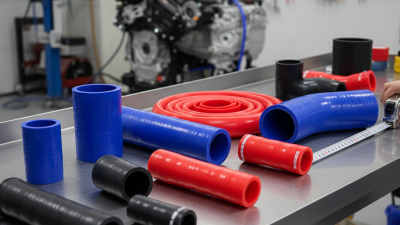
Silicone rubber hoses are essential in food and beverage processing equipment due to their unique properties. They are flexible, durable, and resistant to extreme temperatures. These hoses can withstand temperatures ranging from -60°C to 200°C. This range is crucial for applications involving steam and hot water. According to a recent industry report, the demand for silicone rubber hoses in food processing is projected to grow by 5% annually.
These hoses are non-toxic and meet FDA regulations. They are ideal for transporting liquids and food ingredients safely. They resist degradation from UV light and ozone, ensuring a long lifespan in harsh environments. Using silicone hoses reduces contamination risks, which is critical for food safety. However, some users report that silicone hoses may not be as rigid as other materials, leading to potential kinks in high-pressure situations.
When working with silicone rubber hoses, it's essential to ensure proper connections. Loose fittings can lead to leaks and inefficiencies. Regular inspections help maintain performance. Using clamps specifically designed for silicone can enhance effectiveness. Keeping hoses clean prevents buildup, which might affect food quality. Balancing durability with flexibility is key to maximizing their benefits in food processing applications.
| Use Case | Description | Benefits |
|---|---|---|
| Food and Beverage Processing | Used for transferring liquids, ensuring compliance with food safety regulations. | Non-toxic, flexible, easy to clean, and resistant to temperature extremes. |
| Medical Equipment | Utilized in applications like IV tubes and blood bags. | Sterilizable, durable, and biocompatible. |
| Chemical Processing | Used for transferring caustic and corrosive materials. | Resistant to a wide range of chemicals and temperatures. |
| Agricultural Equipment | Applied in irrigation systems and chemical spray hoses. | Weather resistant and durable in outdoor environments. |
| Brewery Equipment | Used in the fermentation and transfer of beer and wine. | Non-odor, non-taste, ensuring product integrity. |
| Firefighting Hoses | Utilized for high-pressure water delivery in fire suppression. | High resistance to high temperatures and abrasion. |
| Pharmaceuticals | Used in the transport and processing of medicinal ingredients. | High purity, non-reactive, and easy to sterilize. |
| Cosmetics Industry | Applied in the manufacturing of lotions and creams. | Non-porous, resistant to dyes and chemicals. |
| Vacuum Systems | Used in vacuum pumps and sealing applications. | Excellent sealing properties and resilience under vacuum conditions. |
| Food Packaging | Used in sealing and packing processes for food products. | Provides airtight seals and maintains product freshness. |
Silicone rubber hoses play a vital role in HVAC systems and ventilation. Their flexibility and durability allow for efficient air flow in various environments. Unlike traditional rubber, silicone can withstand extreme temperatures. This makes it ideal for both heating and cooling applications.
When installing silicone hoses, consider the bends and curves in your system. Tight bends can restrict flow and pressure. It's essential to choose hoses that maintain a smooth airflow path. Ensure all connections are secure to prevent leaks, which can hinder performance.
Keep in mind the importance of regular maintenance. Even silicone hoses can accumulate dust and debris over time. Regular inspections help identify wear or damage early. Replace any hoses that show signs of deterioration. This proactive approach ensures the efficiency of your HVAC system. Follow these guidelines to maximize the performance of silicone rubber hoses in your ventilation setup.
Silicone rubber hoses are essential in medical equipment and devices. Their flexibility and durability make them an excellent choice for various applications. These hoses can resist high temperatures, making them suitable for sterilization processes. Many healthcare professionals appreciate their reliability in environments where precision is critical.
The biocompatibility of silicone rubber is another crucial benefit. It minimizes the risk of adverse reactions in sensitive patients. Silicone rubber hoses are often used in respiratory devices, catheters, and IV systems. However, some may question their long-term durability compared to other materials.
Despite this, their resistance to chemicals and low toxicity offers significant advantages. Cleaning and maintaining these hoses is usually straightforward. Some users may experience challenges with specific designs or sizes, indicating a need for better standardization in the industry. Overall, the benefits of silicone rubber hoses in medical applications are notable, but ongoing improvements will enhance their reliability and efficiency.
Silicone rubber hoses are renowned for their durability and performance in various industrial settings. They can withstand extreme temperatures, ranging from -60°C to 200°C, making them ideal for diverse applications. A report by the International Journal of Engineering Research highlights that silicone hoses can retain their flexibility in extreme conditions, outperforming traditional rubber materials. This characteristic enhances their efficiency, resulting in reduced downtime in industrial operations.
When choosing silicone rubber hoses, consider their tensile strength. Industry standards suggest that high-quality silicone can have a tensile strength of over 3,500 psi. This property ensures that hoses maintain integrity under pressure, thus minimizing the risk of leaks. The material's resistance to aging and UV radiation also contributes to a longer lifespan, which is essential in fast-paced environments.
In industrial applications, using high-grade silicone hoses can lead to significant cost savings. Maintenance and replacement due to wear and tear are less frequent, which reduces operational costs. Explore suppliers who provide detailed specifications and testing results. Understanding the technical aspects ensures you select the right hose for your needs. Always assess your specific operational conditions before finalizing your choice.