Why Choose a Rubber Air Hose for Industrial Use?
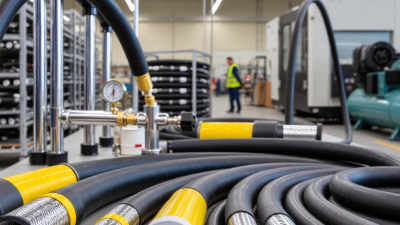
Industrial air systems rely on hoses that can handle repeated movement, changing workloads, and contact with rough surfaces. A Rubber Air Hose is often chosen for its flexibility, durability, and ability to absorb everyday handling. In a workshop, it may bend around a workbench, trail across a concrete floor, or connect tools used throughout a shift. That difference matters. A hose that stays manageable can make routine work smoother and reduce strain at the connection points. Rubber construction can also resist abrasion better than some lighter alternatives, though performance varies by product and application. Flexibility alone is not enough.
Conditions decide the right choice. Heat, oil exposure, outdoor sunlight, and the compressor’s operating pressure can all affect hose life. A hose rated for one environment may not suit another. Check the manufacturer’s pressure and temperature limits, confirm fitting compatibility, and choose a length that does not leave excess hose underfoot. Look for scuffs, bulges, leaks, or cracks, especially near couplings where bending is frequent. Small signs matter. Rubber is not perfect; it can be heavier than some alternatives and may stiffen in cold conditions. That deserves consideration. For a maintenance team, a slightly heavier hose may still be practical if it withstands frequent dragging and coiling. The useful comparison is not simply price or flexibility, but expected service conditions, handling needs, and inspection requirements. Regular checks remain essential, even with a well-made hose.
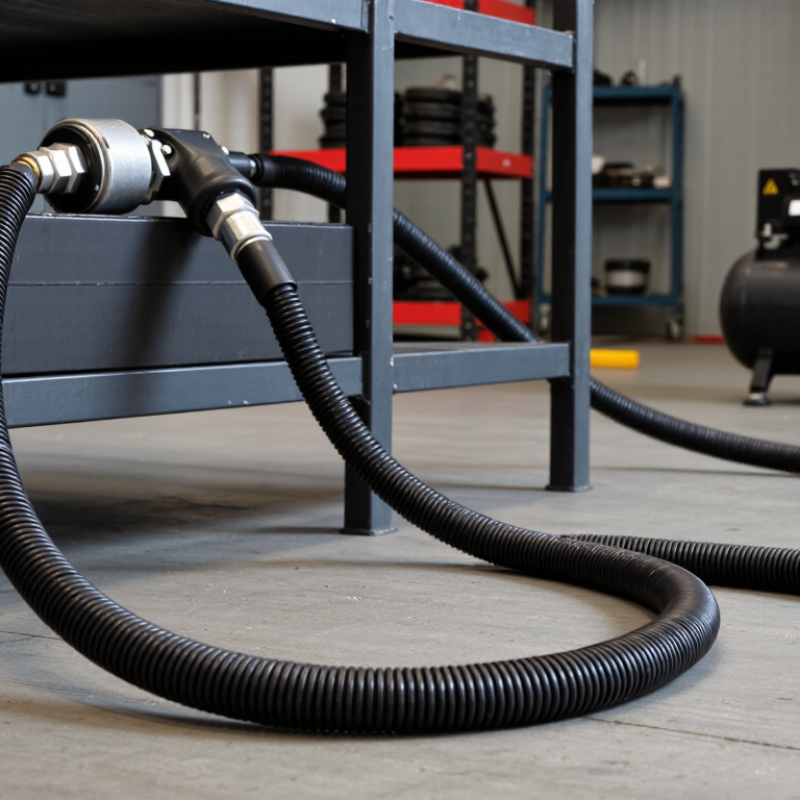
What Is a Rubber Air Hose?
A rubber air hose is a flexible tube that carries compressed air from a compressor to tools or equipment. It usually has three layers: an inner tube that contacts the air, reinforcing fabric or cord that helps resist pressure, and an outer cover that shields the hose from abrasion. The details matter. A hose dragged across a gritty concrete floor faces different wear than one hanging above a clean workbench. Rubber often stays pliable in changing conditions, but its resistance to oil, heat, and weather depends on its specific formulation. Rubber is not automatically the best choice.
For selection, check the hose’s rated working pressure, temperature range, inside diameter, and intended environment. ISO 2398:2016 sets specifications for textile-reinforced rubber hoses used with compressed air. It is a useful reference, not a substitute for checking the hose’s own markings and instructions. The U.S. Department of Energy’s Improving Compressed Air System Performance sourcebook notes that poorly maintained facilities can have leakage equivalent to 20–30% of compressor output. That figure applies to the system, not hoses alone. Still, cracked covers, loose fittings, or a poorly matched hose can add avoidable losses. Inspect the hose along its full length; a tidy coil can hide damage.
Why Choose a Rubber Air Hose for Industrial Use?
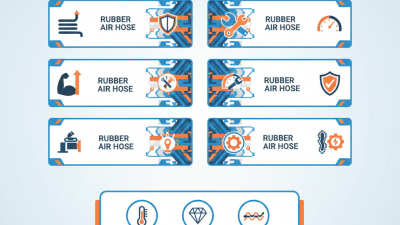
What is a rubber air hose? It is a flexible hose designed to carry compressed air. Rubber hoses are often selected for demanding work environments where flexibility and a broad operating-temperature range are useful.
Representative temperature ranges shown in degrees Fahrenheit. Actual limits vary by hose construction and product specification; check the manufacturer’s rating before use.
How Is an Industrial Rubber Air Hose Constructed?
Why Choose a Rubber Air Hose for Industrial Use?
How Is an Industrial Rubber Air Hose Constructed?
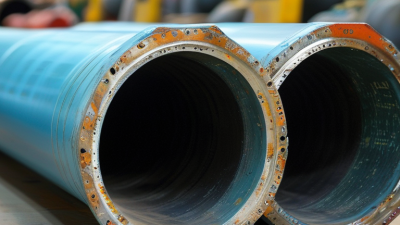
An industrial rubber air hose is built in layers, each serving a distinct purpose. The inner tube carries compressed air. Its rubber compound is selected for flexibility and resistance to heat, moisture, or compressor oil. A smooth bore supports steady airflow, though small defects can still affect performance. Small details matter.
Around the tube sits a reinforcing layer, commonly made from braided textile or spiraled fibers. Some designs use wire reinforcement for demanding pressure requirements. The reinforcement helps the hose resist expansion and hold its shape during use. An outer rubber cover guards against abrasion, sunlight, and contact with workshop surfaces. Its exact formulation varies with the working environment; one cover cannot suit every setting.
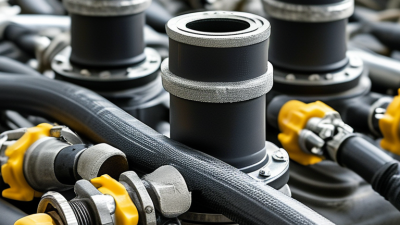
At each end, fittings are secured with suitable ferrules or clamps, creating a connection that must match the hose’s size and pressure rating. Poorly fitted ends can leak or pull loose. In practice, hoses are rarely handled as gently as a diagram suggests. They get dragged across concrete and bent around equipment. That wear is easy to underestimate. Check the cover for cracks, bulges, and exposed reinforcement, and replace damaged hose rather than relying on appearance alone.
What Properties Make Rubber Suitable for Air Hoses?
Why Choose a Rubber Air Hose for Industrial Use?
What Properties Make Rubber Suitable for Air Hoses?
Rubber suits industrial air hoses because it bends readily around machines, workbenches, and tight corners. Its elasticity helps it recover after flexing, while textile or synthetic reinforcement helps resist pressure and expansion. The outer cover can also withstand routine scuffs across concrete floors. That matters. But rubber is not a universal fix: heat, oil, and chemicals affect compounds differently, so the hose specification must match the workplace.
Industry guidance treats pressure and durability as things to verify, not assume. ISO 2398:2016 specifies requirements for textile-reinforced rubber hoses for compressed air, including tests for dimensions and performance. The U.S. Department of Energy’s Improving Compressed Air System Performance: A Sourcebook for Industry reports that leaks can waste 20–30% of compressor output in poorly maintained systems. A damaged hose or loose coupling can contribute to costly air loss.
Tips: Check the hose’s rated working pressure and temperature against actual operating conditions. Inspect for cuts, bulges, and loose fittings before use. Don’t judge by appearance alone; even a flexible hose can be wrong for a particular fluid or environment.
Where Are Rubber Air Hoses Used in Industry?
Rubber air hoses are used wherever compressed air must reach moving tools or equipment across a busy work area. In machine shops, they feed impact wrenches, grinders, and blow-off tools. On assembly lines, they connect air supplies to pneumatic actuators and fastening equipment. Construction and maintenance crews use them with portable drills and breakers. Dust settles. Hoses are dragged over concrete, bent around benches, and exposed to oil mist, so abrasion resistance and flexibility matter.
The U.S. Department of Energy’s Improving Compressed Air System Performance: A Sourcebook for Industry reports that compressed air can consume about 10% of electricity used in industrial facilities, with higher shares in some plants. That figure concerns the whole compressed-air system, not hoses alone.
Still, a poorly matched or damaged hose can contribute to pressure loss and wasted energy. Check its pressure and temperature ratings, material compatibility, fittings, and condition before use. Rubber is not a universal answer: heat, chemicals, and tight routing can shorten service life. A hose that looks sound may still have hidden damage near its couplings.
How Do You Select and Maintain a Rubber Air Hose?
Choose a rubber air hose by matching its working-pressure rating to the compressor’s maximum pressure, with a safety margin. Do not confuse working pressure with burst pressure. Check the hose’s temperature range and resistance to oil, water, and abrasion in your workspace. Match its inside diameter and length to the tool’s airflow needs; a narrow, long hose can reduce pressure at the tool. Confirm that fittings lock securely and suit the hose material.
Inspect the hose before each shift. Look for cracks, bulges, worn spots, and loose couplings, especially near fittings where bending is frequent. Never search for leaks with your hand; isolate and depressurize the line before repairs. The U.S. Department of Energy’s Improving Compressed Air System Performance sourcebook notes that leaks in poorly maintained systems can waste 20–30% of compressor output. A small hose leak can contribute to that loss. Small details matter. Replace damaged sections rather than relying on a quick patch; I’d still recheck the full line after any repair.
Tips: Keep hoses off sharp edges and hot surfaces. Coil them loosely after use, and record inspection dates. Listen for hissing. It is easy to miss in a noisy shop.