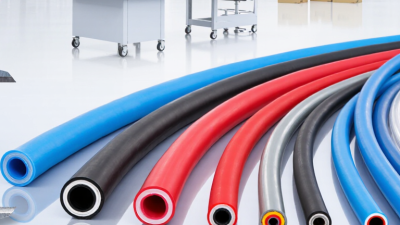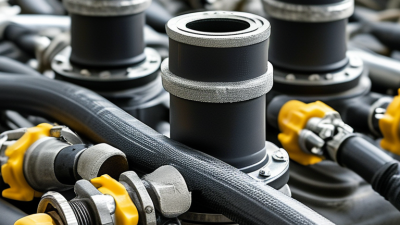
Choosing the right Silicone Hump Hose is more than matching an attractive color or convenient length. This flexible connector must absorb movement, vibration, and slight misalignment between rigid pipes. In a real engine bay, the hose may face heat, pressure pulses, oil mist, and limited installation space. A poor choice can create bulges, leaks, or premature cracking.
Start with accurate measurements. Check the hose’s inside diameter, overall length, hump position, and required bend radius. Measure the pipe outside diameter with calipers, not visual estimates. A few millimeters matter. Review the hose’s temperature range, pressure rating, reinforcement layers, and material compatibility. Silicone usually handles heat well, but it may not suit every fuel or chemical environment. Always confirm the manufacturer’s technical data.
Installation details deserve equal attention. The hose should slide over the pipe without excessive force, while clamps must sit behind the raised beads. Avoid twisting the hump during tightening. Leave enough clearance from exhaust components and sharp brackets. Heat shields may be necessary in crowded compartments. These small details often decide long-term reliability.
Experience also exposes a common mistake: selecting a hose by diameter alone. That shortcut seems efficient, but it can ignore movement and alignment. A perfect specification on paper may still fail after repeated engine cycles. Compare tested products, inspect reinforcement quality, and choose a supplier with traceable specifications. Careful selection is not complicated, though it does require patience. Reliability begins before the first clamp is tightened.
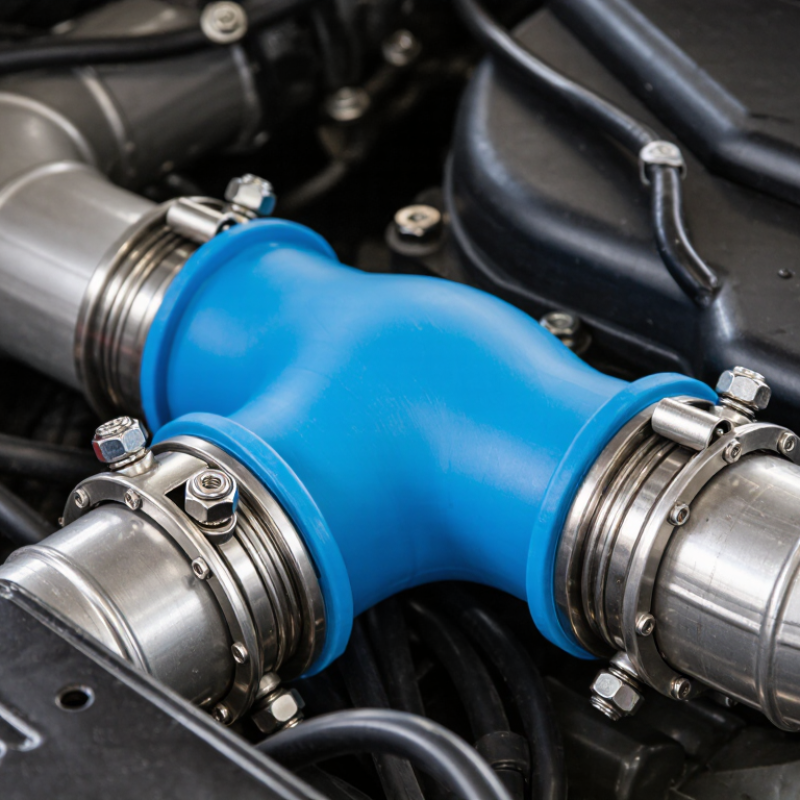
A silicone hump hose connects rigid pipes while allowing movement between them. Its raised, flexible center absorbs vibration, engine movement, and minor alignment changes. The hose usually includes several silicone layers and reinforcing fabric for strength. These layers help it handle pressure, heat, and repeated flexing. The corrugated shape matters. It is not merely decorative.
Measure the pipe outside diameters carefully before selecting a hose. A loose connection can leak, while excessive stretching may damage the reinforcement. Check the system’s operating temperature, pressure, and fluid compatibility. Also consider the required bend radius and available installation space. Short straight ends need enough length for secure clamps. I have found that rushed measurements cause more problems than unusual operating conditions.
A practical inspection should include the inner surface, fabric edges, and clamp area. Look for cuts, soft spots, swelling, or exposed reinforcement. High-quality construction should feel firm but not brittle. However, appearance alone cannot prove performance. Confirm technical data from the manufacturer’s test information and match it to actual service conditions. Many users focus on diameter first, but temperature cycles may deserve equal attention. That assumption is easy to miss. A proper fit should install without twisting, sharp bends, or forced stretching.
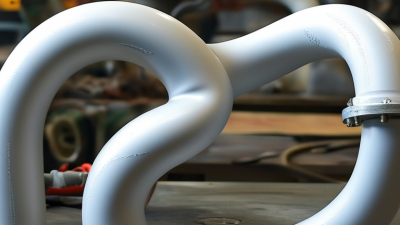
Choosing a silicone hump hose starts with accurate measurements, not guesswork. Measure the outside diameter of each pipe, including any raised bead. Then check the hose’s inside diameter and available length. Measure twice.
The hump should match the system’s movement. A short, narrow hump may resist vibration and create stress at the connections. A longer hump offers more flexibility, but excessive length can sag or rub nearby parts. Inspect the bend path, clearance, and minimum radius before ordering. Silicone hoses can look generous in a catalog, yet feel surprisingly stiff during installation.
Connection requirements deserve equal attention. Confirm whether the hose joins smooth tubing, beaded ends, or different diameters. A reducer-style shape may be necessary. Use clamps that sit evenly behind the bead, without cutting into the silicone. Avoid forcing a hose over an incompatible fitting. It may seal temporarily.
Temperature, pressure, fluid exposure, and engine movement must also match the hose specification. In practical inspections, witness marks often reveal misalignment that measurements missed. I have seen hoses fail early because the clamp was tight, but the pipe was not centered. A trial fit helps expose that mistake. Leave enough room for expansion and service access. Recheck the installation after initial operation, since the hose may settle slightly.
Choosing the right silicone hump hose starts with temperature, not appearance. Standard silicone grades commonly handle about -60°C to 180°C continuously, while premium grades may reach 200°C or higher intermittently. Actual limits depend on wall thickness, reinforcement, and exposure time. Heat wins.
ASTM D2000 evaluates rubber through hardness, tensile strength, elongation, and heat-aging tests. These results reveal whether a compound will harden near a turbocharger or soften beside a radiator. SAE J20 also defines performance expectations for coolant hoses, but it does not create one universal pressure rating. Check the hose’s tested working pressure, burst pressure, and vacuum capability separately.
Pressure conditions need honest measurement. Record normal pressure, startup surges, engine movement, and pulsation. A hose rated for 1.0 MPa may still fail when repeated spikes, sharp bends, or excessive clamp force are ignored. Reinforced layers improve pressure resistance, but they can reduce flexibility.
I often prefer a slightly longer hump hose for movement absorption. Still, that choice can be wrong in a tight compartment.
For oil or fuel vapor exposure, a compatible inner liner matters more than a higher temperature headline. Ask for batch traceability, heat-aging results, and pressure-test records. A polished specification sheet is not enough. Measure twice. Check the smallest bend radius, nearby heat sources, and connector alignment before ordering.
Choosing the right silicone hump hose starts with reinforcement, not color or wall thickness. A hose with two fabric layers usually bends more easily than a four-layer construction. However, extra reinforcement can improve pressure stability and resistance to collapse. SAE J20 testing emphasizes pressure, temperature, and dimensional performance for coolant hose applications. That makes the standard a useful screening reference, not a substitute for application testing.
Flexibility matters around tight engine-bay layouts. A hump section absorbs vibration and small alignment changes without forcing nearby clamps or pipes to move. Measure the minimum bend radius after installation, not on the workbench. The hose should flex smoothly, without flattened valleys or twisted reinforcement. Too soft can be risky. Too stiff can transfer vibration into fittings.
Durability depends on heat, fluids, and repeated movement. ASTM D573 uses controlled, 70-hour heat-aging exposures to compare rubber property changes. ISO 1817 evaluates swelling and mass change after fluid contact. These results help, but they do not predict every real-world failure. Inspectors should check for surface cracking, oily softness, and clamp indentation during service. A thicker hose is not automatically better. I once favored maximum reinforcement, yet the tighter bend created stress at the fitting. The better choice balanced reinforcement, flexibility, and the actual temperature cycle.
Comparative engineering ratings for common silicone hose constructions. Higher scores indicate stronger performance in each category; actual results depend on hose dimensions, temperature, pressure, and installation conditions.
Selection guide: Unreinforced silicone offers the highest flexibility but limited pressure capability. Polyester reinforcement provides a balanced option for general applications. Aramid reinforcement improves pressure and durability performance while retaining good flexibility. Wire-embedded silicone offers excellent shape retention and resistance to collapse, but it is typically the least flexible option.
How to Choose the Right Silicone Hump Hose?
A silicone hump hose must match the connection, not merely look flexible. Measure the outside diameter of each pipe with calipers. Record the gap, bead width, and required bend radius. Check whether the hose must absorb vibration or compensate for engine movement. A short, tight installation can create stress at the clamps. It may fail early.
Review the supplier’s specification sheet carefully. Confirm temperature range, pressure rating, vacuum resistance, wall thickness, reinforcement layers, and dimensional tolerances. Ask whether ratings apply continuously or only during short exposure. A hose rated for high heat may still perform poorly under pressure and sharp bending. Material hardness also matters. Softer silicone bends easily, while firmer construction can resist collapse better.
Quality checks should include smooth inner surfaces, even walls, clean cuts, and consistent reinforcement. Request batch traceability and test documentation when reliability matters. Confirm the actual hose length before ordering; catalog dimensions can hide production tolerances. Suppliers should explain fitting compatibility, clamp placement, storage conditions, and inspection intervals. Their answers reveal practical knowledge. Vague promises do not.
Before purchase, compare the drawing with your installation. Test a sample if possible. It saves trouble. I have seen measurements taken from worn hoses, which produced the wrong replacement size. That mistake is easy to repeat. Recheck every number against the pipe itself, and leave enough clearance for movement and maintenance.
| Verification Area | Specification to Confirm | Example Requirement | How to Verify Before Purchase | Acceptance Guidance | Status |
|---|---|---|---|---|---|
| Connection Size | Inside diameter at both ends | 38 mm to 38 mm; or 51 mm to 63 mm for a reducer-style hump hose | Measure the mating tube outside diameter with calipers and compare it with the supplier drawing. | The hose bore must match the tube size closely enough to allow full clamp engagement without excessive stretching. | Check |
| Overall Length | Installed length between clamp grooves | 150 mm nominal, with the required tolerance stated on the drawing | Measure the available gap in the vehicle or equipment at normal operating alignment. | Avoid forcing the hose to bridge a gap. A hump hose should not be used to correct major misalignment. | Check |
| Hump Geometry | Number, height, and position of flexible humps | One or more molded humps positioned outside the clamp sealing zones | Request a dimensioned drawing showing hump height, spacing, end lengths, and bend direction. | The flexible section should absorb vibration and movement without being compressed under the clamps. | Check |
| Material Grade | Silicone type and temperature capability | Automotive-grade silicone with a documented continuous temperature range, such as approximately −50 °C to 180 °C | Obtain the material datasheet and confirm whether the rating is continuous or intermittent. | The published rating must exceed the measured application temperature with a suitable safety margin. | Check |
| Reinforcement | Number and type of reinforcing fabric layers | Two to four reinforcement layers, selected according to pressure, diameter, and flexibility requirements | Ask for a cross-section description, wall-thickness range, and maximum working-pressure data. | More layers do not automatically mean better performance; the construction must suit the specified pressure and bend radius. | Check |
| Pressure Rating | Working pressure and burst pressure | Example working-pressure requirement: at least 0.3 MPa at the application temperature | Compare the supplier's pressure chart at the actual temperature, diameter, and hose construction. | Do not use burst pressure as the operating limit. Select a hose with an appropriate design safety factor. | Check |
| Fluid Compatibility | Compatibility with the conveyed medium | Suitable for air, coolant, or the specific fluid identified in the application | Provide the supplier with the fluid name, concentration, temperature, and exposure time. | Do not assume that a hose suitable for coolant is suitable for fuel, oil, or solvent exposure. | Check |
| Bend Radius | Minimum recommended bend radius | Supplier-defined minimum radius; the installation should provide clearance without flattening the bore | Check the installed centerline radius and compare it with the product drawing. | A tight bend can restrict flow, create stress concentrations, and shorten service life. | Check |
| Clamp Compatibility | Clamp width, location, and tightening method | Clamps fully positioned on straight hose ends with no contact over the hump | Confirm clamp dimensions and recommended tightening torque with the supplier or equipment manual. | Over-tightening can cut or deform silicone; under-tightening can cause leakage or hose movement. | Check |
| Quality Inspection | Surface, bore, seams, and dimensional consistency | No cuts, blisters, exposed fabric, air bubbles, contamination, or sharp internal steps | Inspect samples visually and measure inside diameter, wall thickness, length, and hump position. | Reject parts showing reinforcement exposure, major surface defects, or dimensional variation beyond the agreed tolerance. | Check |
| Documentation | Drawing, datasheet, test report, and traceability | Part drawing with revision number, material description, tolerance, pressure data, and batch identification | Request controlled documents before placing the purchase order and retain them with the inspection record. | Specifications should be clear, revision-controlled, and consistent with the supplied sample. | Check |
| Sample Validation | Fit and performance under actual installation conditions | Trial installation completed with no leakage, kinking, clamp interference, or abnormal movement | Install a production-representative sample and inspect it after pressure, temperature, and movement testing. | Approve the final design only after confirming fit, sealing, flexibility, and clearance in the real assembly. | Check |