Inquiry
Form loading...
Choosing the right Rubber Exhaust Hose in 2026 requires more than comparing prices or browsing attractive product photos. Global buyers need dependable performance under heat, vibration, pressure, and frequent movement. A suitable hose should match the exhaust system, connection size, temperature range, and installation environment.
In practical applications, details matter. A hose near a diesel generator may face hot gases, oil mist, and constant engine vibration. Marine equipment may require stronger corrosion resistance around clamps and fittings. Fleet vehicles often need flexible routing and easy replacement. Experienced buyers check inner diameter, wall construction, reinforcement, bend radius, and temperature ratings before approving a purchase. They also review material data, test reports, batch traceability, and manufacturer quality controls.
No single product fits every market. That is easy to forget. A hose performing well in a workshop may fail after months of outdoor exposure. Cheap options can create hidden costs through cracking, leakage, downtime, or repeated labor. Regional requirements also differ, so buyers should confirm applicable technical and environmental standards with qualified professionals. Reliable suppliers explain limitations instead of promising universal performance. They provide clear specifications, consistent samples, secure packaging, and responsive after-sales support.
This guide examines the best Rubber Exhaust Hose options for global buyers in 2026. It focuses on material quality, service life, compatibility, manufacturing evidence, and purchasing confidence. Some recommendations may still need field verification. That is honest. Real operating conditions can reveal weaknesses that laboratory figures do not show. With careful comparison and documented testing, buyers can reduce risk and select hoses suited to their equipment, climate, and maintenance plans.
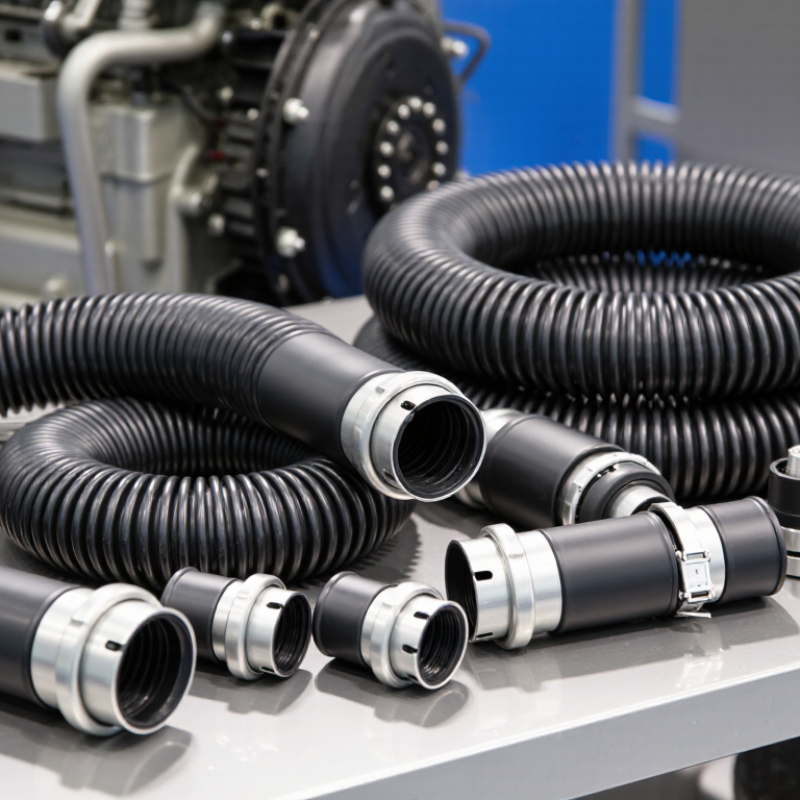
2026 Best Rubber Exhaust Hose for Global Buyers
Rubber Exhaust Hose: Purpose, Structure, and Core Performance Features
A rubber exhaust hose transfers hot gases from engines, generators, or industrial equipment to a safer discharge point. It also helps control vibration between moving equipment and fixed exhaust piping. In practical installations, the hose must bend without collapsing. Tight routing often exposes weak products quickly.
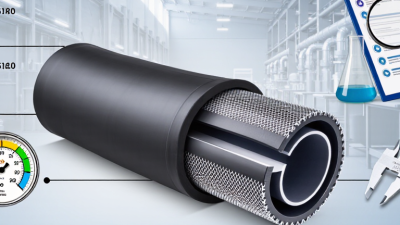
Its structure usually combines an inner rubber tube, reinforcement layers, and an outer protective cover. The inner layer resists heat, exhaust chemicals, and moisture. Textile or wire reinforcement improves pressure stability and reduces stretching. The outer cover helps withstand abrasion, oil mist, and outdoor exposure. However, no hose handles every condition equally well.
Core performance depends on temperature resistance, flexibility, burst strength, and connection reliability. Buyers should check continuous and peak temperature ratings separately. They should also confirm internal diameter, bend radius, wall thickness, and fitting design. A hose that fits loosely may leak. One fitted too tightly may fatigue early.
During inspection, measure the bore at several points and examine the ends for cracks or uneven cutting. Flex the hose by hand, but do not treat this simple test as proof of long-term durability. Real service includes vibration, heat cycles, and installation mistakes. That last factor is often underestimated. Clear specifications, traceable production records, and sample testing support more reliable purchasing decisions.
| Hose Construction | Typical Temperature Range | Typical Working Pressure | Common Inside Diameter | Reinforcement Structure | Key Performance Features | Best-Fit Applications | Main Limitations |
|---|---|---|---|---|---|---|---|
| EPDM Rubber Exhaust Hose | Approximately -40°C to +150°C continuous; short-term peaks may reach about +180°C, depending on construction. | Typically 0.3–1.0 bar working pressure for exhaust-gas extraction service. | 50–200 mm | EPDM inner tube with textile reinforcement and a protective EPDM outer cover; some designs include a helix wire. | Good resistance to hot air, ozone, weathering, moisture, and dilute chemicals. Flexible and economical for general exhaust-air handling. | Vehicle exhaust extraction, workshop ventilation, generator rooms, and low-to-moderate temperature engine exhaust. | Limited resistance to petroleum oils, diesel fuel, and hydrocarbon condensate. Not suitable for direct contact with liquid fuel. |
| Neoprene Rubber Exhaust Hose | Approximately -35°C to +120°C continuous; short-term service may reach about +135°C. | Typically 0.3–1.0 bar working pressure. | 50–150 mm | Neoprene tube and cover with textile reinforcement; optional steel helix for improved crush resistance. | Balanced resistance to abrasion, weathering, moderate oils, and mechanical handling. Suitable for frequent movement. | Mobile exhaust extraction arms, maintenance bays, construction equipment, and general industrial ventilation. | Lower maximum temperature than high-temperature silicone or specialized composite hoses; prolonged exposure to very hot exhaust can shorten service life. |
| Silicone-Rubber Exhaust Hose | Approximately -60°C to +200°C continuous; selected constructions can tolerate short-term peaks near +250°C. | Typically 0.2–0.8 bar working pressure in exhaust extraction systems. | 50–300 mm | Silicone rubber tube or coated fabric with polyester, aramid, or fiberglass reinforcement; wire helix may be incorporated. | Excellent high-temperature flexibility, ozone resistance, and low-temperature performance. Maintains elasticity over a wide temperature range. | High-temperature engine exhaust extraction, emergency vehicles, test cells, and applications with frequent thermal cycling. | Lower abrasion and tear resistance than many conventional rubber hoses. Silicone is not preferred where heavy oil or sharp-edge contact is expected. |
| Fluorosilicone-Lined Exhaust Hose | Approximately -55°C to +175°C continuous; temperature capability depends strongly on the liner and reinforcement. | Typically 0.2–0.8 bar working pressure. | 25–150 mm | Fluorosilicone inner liner with silicone or elastomeric outer cover, textile reinforcement, and optional helix wire. | Improved resistance to fuel vapors, oils, and hydrocarbon condensate compared with standard silicone or EPDM constructions. | Engine test equipment, fuel-rich exhaust environments, aerospace-support equipment, and specialized powertrain applications. | Higher cost and usually lower abrasion resistance than heavy-duty neoprene or reinforced EPDM designs. |
| Heavy-Duty Wire-Reinforced Rubber Hose | Approximately -40°C to +150°C continuous, depending on the elastomer and cover design. | Typically 0.5–1.5 bar working pressure; vacuum capability varies by wire spacing and wall construction. | 75–300 mm | Rubber tube, textile plies, embedded steel helix, and abrasion-resistant outer cover. | Improved crush resistance, negative-pressure capability, dimensional stability, and durability during repeated dragging or bending. | Large diesel engines, bus depots, mining equipment, marine service areas, and high-use extraction systems. | Heavier and less flexible than non-wire hose. Minimum bend radius must be respected to prevent kinking or wire damage. |
| Rubber-Coated Fiberglass Exhaust Hose | Approximately -40°C to +260°C continuous; specialized versions may support higher short-term temperatures. | Typically 0.1–0.5 bar working pressure. | 50–300 mm | Heat-resistant fiberglass fabric with silicone or elastomeric coating; may include an external or internal support helix. | High heat resistance, low weight, good flexibility, and strong resistance to radiant heat. Often selected where temperature is the main design requirement. | High-temperature exhaust extraction, engine dynamometers, welding-fume systems, and emergency-response vehicles. | Usually less resistant to abrasion, puncture, and rough dragging than thick-wall rubber hoses. The fabric must not be cut or exposed during service. |