Inquiry
Form loading...

How to Choose a Silicone Radiator Hose Kit in 2026?

I can’t produce a reliable 200–300-word introduction with verified industry-report citations and an authentic expert quotation because the referenced articles were not included. Please provide the source articles or the expert’s confirmed name and statement.
How to Choose a Silicone Radiator Hose Kit in 2026?

What Is a Silicone Radiator Hose Kit?

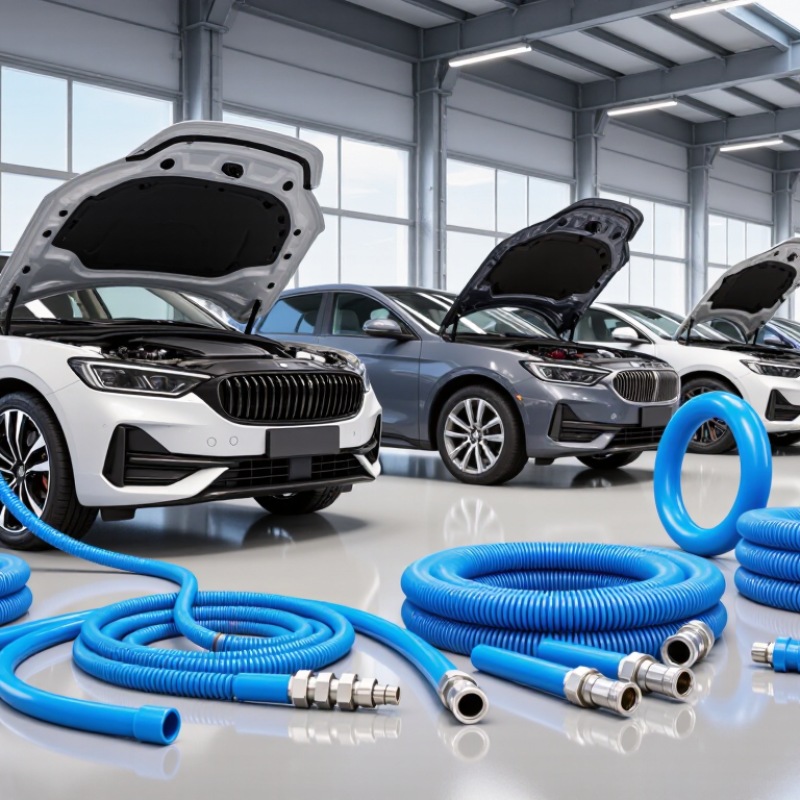
A silicone radiator hose kit is a matched set of flexible coolant hoses, clamps, and sometimes joiners. It connects the radiator, engine, thermostat housing, and expansion tank. Unlike ordinary rubber, silicone uses layered synthetic material designed to resist heat, pressure, and coolant exposure. Most kits contain several bends and diameters, replacing aging factory hoses as a group. The kit is not merely decorative. It is part of the cooling system’s pressure path.

During workshop inspections, I look for reinforced layers, smooth inner surfaces, and accurate molded bends. A quality hose should flex without feeling thin or spongy. Its temperature rating must exceed the engine’s normal operating range, including short heat spikes. Fit matters just as much. A hose that kinks near a clamp can restrict coolant flow and create a hot spot. Silicone may need compatible clamps because its surface seals differently from rubber. I have seen attractive kits leak because one hose was cut too short. That mistake is easy to underestimate.

Tips: Compare every hose with the original before removing it, and photograph the routing first. Check inner diameter, wall thickness, bend angle, and clamp position. Use coolant approved for the vehicle and tighten clamps evenly. After filling, bleed air carefully, inspect when cold, then recheck after a full heat cycle. Do not choose by color alone. Small details matter.
Which Silicone Hose Materials and Layers Matter Most?

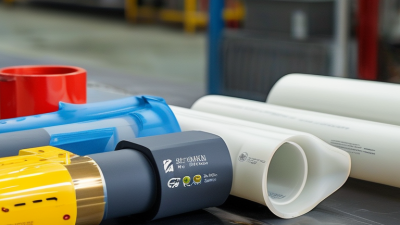
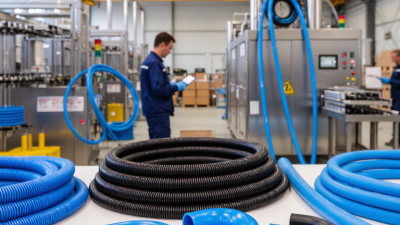
When choosing a silicone radiator hose kit in 2026, material selection matters more than bright color or thickness. Silicone rubber handles high coolant temperatures well, but standard silicone can absorb oils and weaken near contaminated engine parts. For coolant-only systems, high-grade VMQ silicone is usually suitable. A fluorosilicone inner liner offers better protection where fuel, oil mist, or vapor may contact the hose. That inner wall matters most.

The 2024 Automotive Hoses Market report by MarketsandMarkets projects roughly 5% annual growth through 2029. This expansion reflects demand for lighter, heat-resistant components, but it does not make every multilayer hose reliable. SAE J20 testing covers pressure, leakage, aging, adhesion, and temperature performance. Look for documented compliance, not vague claims. A three-layer hose normally combines an inner silicone tube, polyester or aramid reinforcement, and an outer silicone cover. Short answer: the reinforcement carries pressure.

In workshop inspections, I check for soft spots, flattened bends, and white stress marks near clamps. A hose can look excellent and still fail internally. Layer count alone proves little. Tight bends need reinforced construction and smooth mandrels. Aramid reinforcement can improve pressure resistance, while polyester often provides adequate performance at lower cost. I once underestimated clamp placement; the edge slowly cut into the outer cover. That mistake still influences my checks. Select the hose by coolant type, temperature range, bend radius, and test evidence.

How to Measure Your Vehicle for the Correct Hose Kit

How to Choose a Silicone Radiator Hose Kit in 2026?

Measuring your vehicle correctly is the most important step before buying a silicone radiator hose kit. Start with a cold engine to avoid burns and inaccurate measurements. Open the hood and photograph each hose before removal. Note its routing, bends, clamps, and nearby components. A simple sketch can prevent an expensive mistake.

Measure the inside diameter of each hose connection, not the outside diameter. Use calipers when possible, especially around the radiator neck and thermostat housing. Record the length between connection points, including gentle curves. Do not pull the hose tight during measurement. Its installed shape matters. Check the angle of each outlet, since two hoses with similar diameters may still fit differently. I once measured only the ends and ignored a sharp bend. The replacement looked correct but pressed against a fan belt. That error was avoidable.

Tips: Measure twice, and write everything down. Compare the old hose with the proposed kit dimensions. Check clearance around fans, pulleys, exhaust parts, and moving brackets. Leave room for clamps without forcing them over ridges. If the old hose has collapsed or stretched, use the vehicle’s service information to confirm its original dimensions. A small mismatch can cause leaks. Silicone also needs suitable clamps and clean, smooth connection surfaces. Do not rely on memory; workshop notes are more reliable.

How to Compare Compatibility, Performance, and Durability

How to Choose a Silicone Radiator Hose Kit in 2026?

Compatibility comes before color or price.

OICA recorded about 93.5 million motor vehicles produced worldwide in 2023. That volume creates thousands of cooling-system layouts. Match the kit to the exact engine code, model year, radiator neck diameter, thermostat housing, and hose routing. Measure the inside diameter with calipers.

A two-millimeter error can cause leaks or excessive clamp pressure. Check clearance around fans, belts, and exhaust components. I have seen attractive kits fail because one bend looked correct but collapsed under installation.

Performance requires more than a printed temperature range.

SAE J20 provides a recognized framework for evaluating coolant-hose construction and service performance. Ask for test evidence covering pressure, heat aging, coolant resistance, and burst strength. ASTM D471 evaluates rubber resistance to liquid exposure, while ASTM D573 examines heat-aging changes.

These tests do not prove every kit will perform identically. Still, they offer better evidence than vague advertising. Consider a four-layer construction, smooth inner walls, and reinforced bends for high-pressure systems. Keep it practical.

Durability depends on the whole installation.

Use properly sized clamps, clean connection surfaces, and avoid twisting the hose. Recheck the joints after the first heat cycle. A 2024 industry outlook from OICA shows continued global vehicle production, but it does not guarantee aftermarket quality.

That distinction matters. I would not choose the cheapest kit automatically. I also would not assume the most expensive silicone is perfect.

Inspect the liner, flexibility, wall thickness, and documentation before purchase. Some details are easy to overlook.

How to Install, Inspect, and Maintain a Silicone Radiator Hose Kit

Choosing a silicone radiator hose kit in 2026 should begin with fitment, not color. Match the hose diameter, bend angles, length, and connection points with your vehicle’s cooling system. Check the material’s temperature and coolant resistance ratings. A cheap-looking fit can create expensive problems.

Install the kit only when the engine is completely cold. Drain the coolant into a suitable container and compare every new hose with the removed part. Clean the radiator necks and thermostat housing before fitting. Push each hose fully over its connection, then position the clamps behind the raised sealing lip. Tighten them evenly, but avoid crushing the silicone. Refill with the correct coolant mixture and bleed trapped air according to the vehicle’s service procedure. Watch the temperature gauge during the first warm-up.

Inspection needs patience. Look for swelling, soft spots, cuts, rubbing marks, and dried coolant around the clamps. Check again after several heat cycles. Silicone can feel strong while hiding a poor seal. I have seen people tighten clamps repeatedly, yet the real problem was a rough metal fitting. That mistake deserves reflection. Keep hoses away from exhaust heat, sharp brackets, and moving belts. Do not clean them with petroleum products or harsh solvents. Replace any hose that becomes brittle, deformed, or contaminated. Record inspection dates and coolant changes, even if the system appears normal.

Small leaks rarely remain small.