Inquiry
Form loading...

China Top Silicone Straight Hose Manufacturer Supplier?

Choosing a China Top Silicone Straight Hose Manufacturer Supplier requires more than comparing prices or browsing polished product photos. A dependable supplier should understand temperature cycles, pressure changes, vibration, fluid compatibility, and installation space. These details often decide whether a hose performs for years or fails after a few months.

Silicone Straight Hose products are commonly used in automotive cooling systems, air intake assemblies, industrial equipment, and demanding fluid-transfer applications. Experienced manufacturers can recommend suitable silicone grades, wall thicknesses, reinforcement layers, bend performance, and connection sizes. They should also provide clear dimensional tolerances, production records, inspection reports, and practical samples before mass production. Certification matters, but it does not replace testing.

Engineer James Liu, a silicone hose specialist with more than fifteen years of manufacturing experience, says, “A reliable hose begins with honest material selection, not attractive marketing.” That sentence deserves attention. Some suppliers may describe every product as premium. Real performance is less glamorous. It is measured through heat aging, burst pressure, vacuum resistance, ozone exposure, and repeated assembly checks.

A capable China Silicone Straight Hose supplier should explain these tests in plain language. Ask how raw silicone is controlled. Ask whether reinforcement density remains consistent. Ask what happens when your design changes. The answer may reveal more than a catalogue.

No supplier is perfect. Even a strong factory can make a wrong assumption without complete application data. That is why technical communication, traceable quality control, responsive engineering support, and realistic delivery promises remain essential. This guide examines the practical factors behind selecting a trustworthy Silicone Straight Hose manufacturer in China.
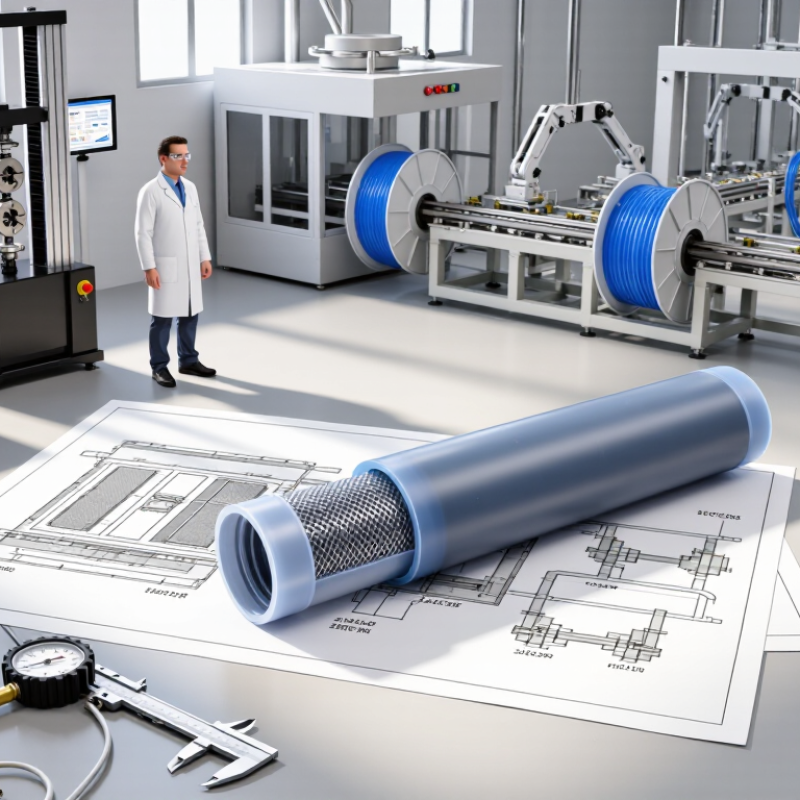
China Top Silicone Straight Hose Manufacturer Supplier?

What Is a Silicone Straight Hose and How Is It Used?

What Is a Silicone Straight Hose and How Is It Used?

A silicone straight hose is a flexible tube with an even, cylindrical shape and no bends. It usually contains silicone rubber, with optional polyester or aramid reinforcement. It looks simple. Small details matter.

In practical equipment assembly, these hoses connect pipes, reservoirs, radiators, intercoolers, air systems, and other components. Their smooth inner surface supports steady airflow or coolant movement. Silicone also performs well across wide temperature ranges, although the exact limit depends on its grade, wall thickness, and reinforcement. It should not be selected by appearance alone.

A reliable installation begins with accurate measurements. Check the inside diameter, connection length, operating temperature, pressure, and fluid compatibility. The hose should fit firmly without stretching over a sharp edge. Use suitable clamps, but avoid excessive tightening.

I have seen a good hose fail because a clamp cut into its wall. That mistake is easy to miss during assembly.

Straight hoses are useful when two connection points already align. They can also be trimmed for custom lengths, but uneven cutting may create leaks. Inspect the ends for cracks, soft spots, and surface damage before installation. In demanding systems, periodic checks are sensible. Silicone is durable, not indestructible.

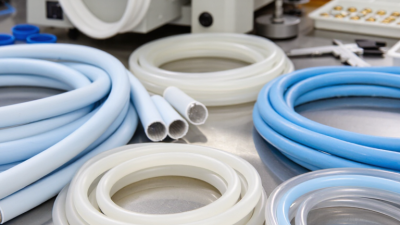
How to Evaluate a Top Silicone Straight Hose Manufacturer

China Top Silicone Straight Hose Manufacturer Supplier?

How to Evaluate a Top Silicone Straight Hose Manufacturer

A reliable manufacturer should prove quality through samples, records, and repeatable processes. Ask for silicone specifications, hardness data, temperature ranges, and reinforcement details. Do not rely on attractive photographs. Examine the hose surface closely. It should feel even, without bubbles, cracks, excessive flash, or uneven wall thickness.

Request a sample made from the same production method used for bulk orders. Measure its inner diameter, outer diameter, length, and bend recovery. A practical supplier should explain curing conditions and inspection points clearly. Factory experience matters here. Workers should understand mandrel control, trimming, packaging, and contamination prevention. I once overlooked packaging quality during a supplier review. Dust entered the open hose ends. That small mistake affected assembly later.

Traceability is equally important. Check whether each batch has production dates, material records, and inspection results. Ask how rejected products are separated and recorded. A dependable manufacturer should support pressure, vacuum, and temperature testing when required. It should also communicate limits honestly. Some suppliers promise unrealistic tolerances. That is a warning sign. Compare several samples, not just one. Even a good factory may show variation between batches, so periodic audits remain worthwhile.

What Materials and Manufacturing Processes Ensure Hose Quality?

China Top Silicone Straight Hose Manufacturer Supplier?

Material selection determines whether a silicone straight hose survives heat, pressure, and repeated movement. High-quality hoses usually use VMQ silicone rubber with controlled peroxide or platinum curing. Polyester reinforcement improves dimensional stability, while aramid fibers support higher pressure applications. Fluorosilicone liners may help resist fuel vapors, but they increase cost and require careful bonding.

A 2024 Grand View Research market analysis forecasts roughly 7% annual growth for the global silicone market through 2030. Growth alone proves nothing. A supplier must show measurable process control. Extrusion or mandrel forming should maintain uniform wall thickness and smooth inner surfaces. Post-curing reduces residual volatiles and stabilizes compression performance. Production records should include hardness, cure temperature, batch traceability, and dimensional results.

Testing should follow recognized methods. ISO 1307 supports hose dimensional verification, while ASTM D412 evaluates tensile strength and elongation. ASTM D624 measures tear resistance, and ASTM D471 examines fluid resistance. Burst testing should reflect the actual temperature and pressure duty, not room-temperature assumptions. Good suppliers also conduct heat-aging, ozone, leakage, and impulse tests where required. Small defects matter. A slightly uneven wall can become a failure point after thermal cycling. I would still question any factory showing only attractive samples; independent test evidence and repeatable batch data reveal far more.

China Top Silicone Straight Hose Manufacturer Supplier? What Materials and Manufacturing Processes Ensure Hose Quality?

Typical continuous service-temperature ranges for common hose compounds. Silicone grades generally provide a wider temperature range, while reinforcement selection, controlled extrusion, uniform curing, post-curing, dimensional inspection, and pressure or leak testing are essential for consistent hose quality.

Values are representative industry ranges and can vary according to formulation, reinforcement, wall thickness, operating pressure, and applicable standards.

Which Specifications and Customization Options Should Buyers Compare?

When comparing silicone straight hoses, buyers should begin with measurable specifications, not catalogue photos. Confirm the inner diameter, outer diameter, wall thickness, length tolerance, working pressure, and temperature range. A 10 mm internal diameter can still perform poorly if the wall varies along the hose. Measure samples at several points.

Material choice also matters. Platinum-cured silicone usually offers cleaner internal surfaces, while peroxide-cured grades may suit less demanding industrial service. Specify Shore A hardness, color, transparency, reinforcement, and whether the hose needs a smooth or ribbed exterior. Ask for batch traceability, dimensional inspection records, and pressure-test results. According to a 2024 Grand View Research report, the global silicone market is projected to grow at roughly 7% annually through 2030, increasing the need for more consistent material control.

Customization should be compared by risk and repeatability. Buyers can request custom lengths, molded bends, flared ends, reinforced layers, printed markings, and special packaging. For food, medical, or pharmaceutical use, verify the applicable conformity documents and extraction data rather than accepting “food grade” as proof. Important details include sterilization method, compression set, odor, and minimum order quantity. Small changes matter. A hose that fits cold may loosen after heating. I have seen projects focus on unit price, then absorb higher costs from leakage, rejected batches, and emergency replacement. The better comparison includes tolerance limits, testing frequency, sample approval, and delivery consistency.

How to Select a Reliable Silicone Hose Supplier in China?

How to Select a Reliable Silicone Hose Supplier in China?

Choosing a silicone hose supplier requires more than comparing online prices. In practical sourcing work, I check material data, production controls, and communication before discussing large volumes. A reliable factory should explain its silicone grade, temperature range, pressure limits, and reinforcement structure clearly. Ask for current test reports, not old files copied into a sales presentation.

Request samples with your exact inner diameter, wall thickness, bend radius, and connection style. Measure them with calibrated tools. Then test flexibility, compression recovery, odor, and leakage after heating and cooling cycles. Ask whether the supplier uses platinum-cured or peroxide-cured silicone when hygiene or odor matters. Short answers are warning signs.

Check traceability too. Each batch should connect to raw material records, production dates, inspection results, and packing details. Certifications can support credibility, but they do not replace factory verification. Arrange a video audit or an independent inspection before shipment. Confirm mold ownership, minimum order quantities, tolerance control, and replacement procedures in writing. Ask for evidence.

A small trial order often reveals more than a polished factory tour. I once underestimated packaging quality; several hoses arrived with surface marks from tight stacking. That mistake was avoidable. Reliable suppliers accept technical questions, admit limits, and improve their process after feedback. Perfect promises are less useful than consistent records and honest answers.